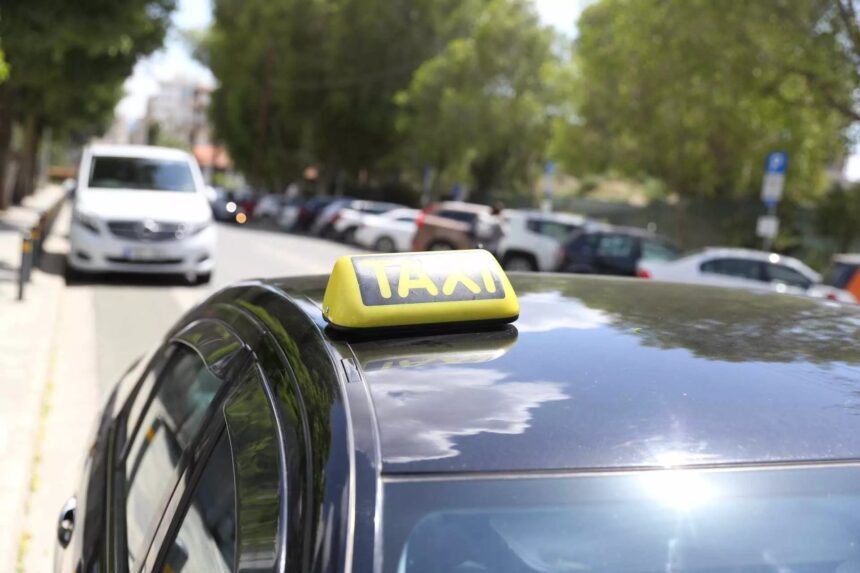
taxi laws — taxi laws — Cyprus is set to overhaul its taxi licensing framework for the first time in more than 20 years, with a proposed amendment to the Road Transport Regulation Law aiming to tackle illegal operators and bring booking apps under state control.
- To address longstanding complaints about price gouging from tourists, pre-booking receipts showing passenger details and agreed fares will be mandatory for airport pick-ups.
The reform, promoted by the Licensing Authority, comes after three years of increasing public pressure. Professional drivers staged a strike in March 2026 over rising operating costs and annual licence rental fees. Tourists have also voiced concerns about overcharging at Larnaca and Paphos airports, while shortages of vehicles during peak hours have added to public frustration.
Taxi laws: New Legislation Targets Illegal Operators
Illegal passenger transport has surged sharply, with cases rising from 108 in 2024 to 306 in 2025. Fines imposed have exceeded €540,000. The proposed legislation aims to raise administrative fines to €750 for drivers and €1,500 for vehicle owners. Courts will also be empowered to impose temporary vehicle bans on illegal operators.
Ending the Licence Freeze
Currently, Cyprus has 1,588 active urban taxi licences and 212 rural licences, with no new licences issued since 2002. The new framework will introduce a transparent formula linking the number of licences to the permanent population and tourist overnight stays, with a review every three years. This change is expected to increase the total number of licences to as many as 5,600 in the coming years.
Protecting Drivers from Speculative Trading
Previously, taxi licences had become private assets, with values reaching up to €100,000. Under the new regulations, licences will no longer be transferable, protecting drivers from prohibitive rental costs and speculation in the market.
Introducing Special Hire Vehicles
The legislation also creates a new category for “special hire vehicles,” allowing for vans and similar vehicles to be included in the taxi system. This change aims to better serve tourist groups and hotels, with bookings required to be made in advance.
Accountability for Digital Platforms
A dedicated registry will be established for digital platforms, such as Bolt. Each platform will need to appoint a compliance officer and ensure they work exclusively with properly licensed taxis. Non-compliance could lead to fines of up to €50,000.
Improving Availability for Passengers
The Frederick University study commissioned by the Licensing Authority revealed significant imbalances in taxi availability across different regions. For instance, Nicosia has just 472 taxis for a population of 330,000, translating to one taxi for every 700 residents. By 2030, the new regulations are expected to issue between 3,200 and 5,600 additional licences.
Ensuring Greener, Safer Rides
All vehicles registered as taxis will need to meet Euro VI emissions standards or be fully electric, enhancing both comfort and safety for passengers. The crackdown on illegal operators will also ensure that passengers are no longer at risk of travelling with unlicensed drivers.
Combating Airport Overcharging
To address longstanding complaints about price gouging from tourists, pre-booking receipts showing passenger details and agreed fares will be mandatory for airport pick-ups.