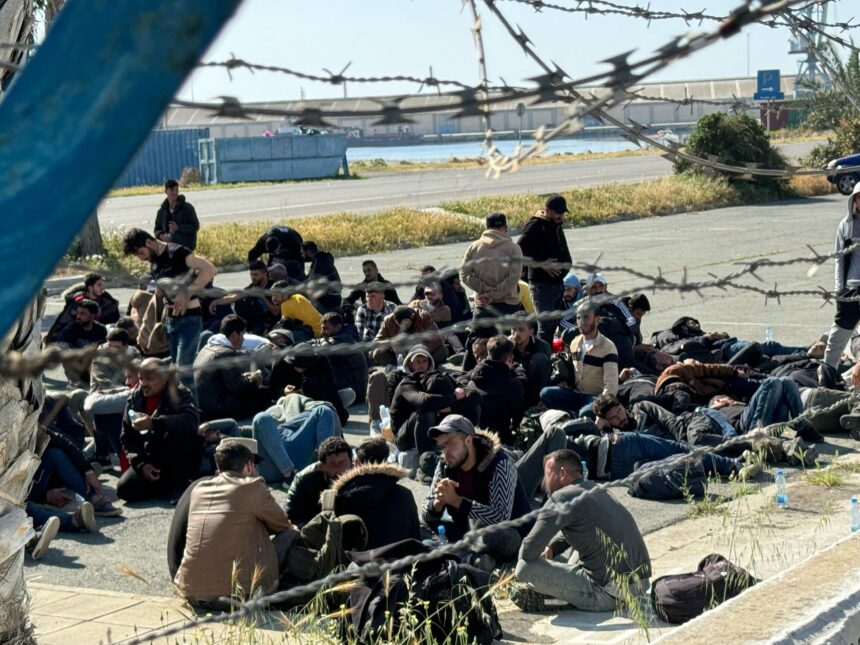
Cyprus has emerged as a leader in the EU migrant relocation initiative, successfully relocating 3,039 international protection applicants to various European Union member states since June 2022. The announcement was made by the deputy migration ministry on Thursday, highlighting the effectiveness of the operational coordination involved in this programme.
Migrant relocation: Success of the Voluntary Solidarity Mechanism
The relocation of these individuals has been facilitated under the EU’s Voluntary Solidarity Mechanism (VSM), which aims to support member states facing disproportionate migration pressures. Cyprus has recorded the highest number of relocations among the five frontline Mediterranean EU member states participating in this scheme, which also includes Greece, Italy, Malta, and Spain.
The deputy migration ministry acknowledged the collaboration between the Republic of Cyprus, the European Commission, the European Union Agency for Asylum (EUAA), the International Organisation for Migration (IOM), and the participating member states as key to the programme’s success. All costs associated with the relocations have been covered through the EU’s asylum, migration, and integration fund, showcasing a collective effort to manage migration effectively.
New Initiatives for Syrian Families
In addition to the relocation programme, Cyprus is also focusing on its domestic population of migrants. Earlier this week, Deputy Migration Minister Nicholas Ioannides unveiled a new plan aimed at assisting around 20,000 Syrian families residing in Cyprus, encouraging their voluntary return to Syria. This initiative includes financial incentives of up to €2,000 per person, designed to facilitate their departure.
Ioannides stated, “Those who are not entitled to asylum should immediately depart the Republic of Cyprus. Those who choose to join this plan can do so with support, with clear procedures and with dignity.” This initiative aligns with Cyprus’s broader strategy to address its migration challenges while offering a pathway for those who wish to return home.
Voluntary Returns and Supportive Measures
Since December 2024, approximately 5,000 Syrians have either voluntarily left Cyprus or withdrawn their asylum applications, indicating a responsive migration landscape. The new plan, which is set to run throughout the year, is specifically open to Syrian families and couples without children, provided that at least one spouse submitted an application for international protection or obtained protection status before the crucial deadline of December 31, 2024.
Under this programme, one adult family member may remain in Cyprus for employment purposes, granted a special two-year residence permit with unrestricted access to the labour market until August 31, 2028. This provision allows families to maintain a connection to Cyprus while facilitating the return of the remaining family members to Syria.
Financial Assistance for Returnees
The financial incentives offered under the scheme include €2,000 for each adult, €1,500 for each child, and an additional €1,000 for families already granted international protection status. This structured financial support aims to ease the transition for families returning to Syria, ensuring that they have the necessary resources to reintegrate into their home country.
Ioannides emphasised that the funding for these incentives will primarily come from European programmes, showcasing the EU’s commitment to addressing migration issues not only at the relocation level but also at the community level within Cyprus.
Looking Ahead: Cyprus’s Role in EU Migration Policy
As Cyprus continues to lead in the EU migrant relocation programme, its proactive approach serves as a template for other member states facing similar challenges. The combination of successful relocations and initiatives to support voluntary returns demonstrates a comprehensive strategy aimed at managing migration sustainably.
With ongoing collaboration between various EU institutions and member states, Cyprus is positioned to play a significant role in shaping future migration policies within the EU framework. The ongoing developments in Cyprus reflect the complexities of migration management in Europe, highlighting the need for continued solidarity among member states in addressing both the challenges and opportunities presented by migration.