Consumers ordering food to be delivered to their door are at risk of poisoning due to inadequate sanitation of cool boxes and high temperatures in Cyprus, which promote the growth of harmful pathogens. Experts believe that proper packing during food preparation has likely prevented severe incidents thus far.
- In severe instances, health services recommend that restaurants refuse delivery of food if they suspect unsanitary conditions and request a different driver.
- Despite this, he insists that delivery drivers must clean and sanitise their cool boxes regularly to mitigate any potential risks.
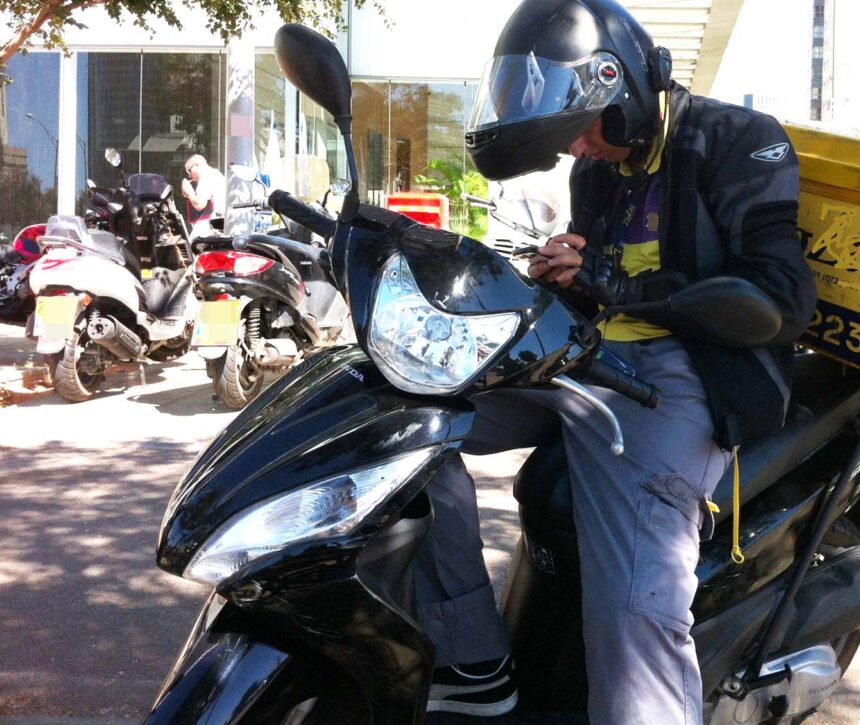
In a recent initiative, the Consumer Association inspected motorcycle cooler containers used by delivery drivers. Marios Drousiotis, the association’s president, reported that only two drivers permitted their boxes to be inspected. This raises concerns about the overall health risks associated with food delivery.
While not every cooler box poses a health threat, the combination of Cyprus’ hot summer weather and the lack of cleaning protocols for these containers significantly heightens the risk of foodborne illnesses. Lena Panayiotou, deputy director of the employers’ union OEV, acknowledged that necessary checks on delivery procedures are being carried out, which include regular training for drivers and the replacement of delivery equipment every six months.
However, the recent food poisoning incident at a wedding in Limassol, which affected 70 guests and required hospitalisation for 21 individuals, has prompted discussions about implementing additional safety measures.
Complaints have been increasing regarding the hygiene of cool bags used by delivery drivers. Consumers reported seeing dirty or damaged cool boxes, some of which contained leftover food from previous orders or personal belongings of the drivers. There are also concerns about motorcycles being left outside in unsanitary conditions, exposing them to weather, insects, and rodents.
The health services, operating under the health ministry, have raised alarms following the Limassol incident. They have been receiving numerous complaints about the cleanliness of delivery equipment and the critical hygiene lapses occurring from the kitchen to the consumer’s doorstep.
Health services officials noted that while they have the authority to conduct inspections and follow up on complaints, they lack the capacity to monitor delivery boxes outside restaurants. Consequently, they are appealing to restaurants and delivery platforms to ensure that boxes are checked and that drivers adhere to hygiene standards.
In severe instances, health services recommend that restaurants refuse delivery of food if they suspect unsanitary conditions and request a different driver.
Feedback from food delivery platforms has been mixed. For example, Wolt confirmed that hygiene is a priority and that they regularly inspect their delivery equipment. Following the health services’ warning, Wolt stated they would enhance their hygiene protocols.
Drousiotis has called for specific protocols for delivery companies in light of the high temperatures that can exacerbate food safety risks. He emphasised the importance of health services conducting testing on the samples collected from delivery equipment and making the findings public.
In a concerning discovery, Drousiotis revealed that tests conducted on the inspected bags found three types of pathogens capable of causing food poisoning. Fortunately, the lack of reported food poisoning cases is likely due to the care taken during food preparation.
Despite this, he insists that delivery drivers must clean and sanitise their cool boxes regularly to mitigate any potential risks.