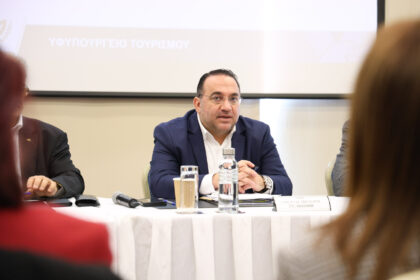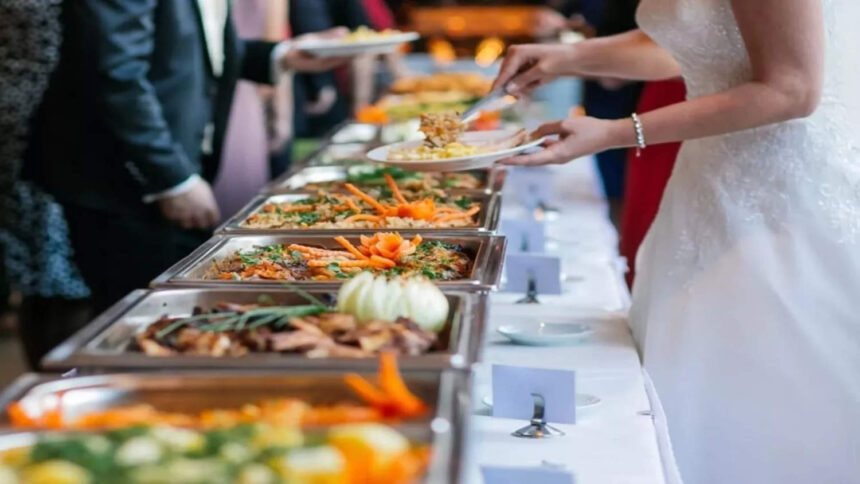
Food poisoning cases at mass catering events in Cyprus remain rare despite a serious incident at a wedding reception in Limassol. Senior state chemist Christos Kourtis reassured the public, stating that such incidents are infrequent even when considering the hundreds of receptions held annually.
Kourtis, who leads the Food Microbiology Laboratory at the State General Laboratory, mentioned that food poisoning incidents are counted ‘on the fingers of one hand’. The recent Limassol event affected around 80 attendees, but he emphasised that the scale of receptions in Cyprus is significant, particularly relative to the population size.
“Complaints about suspected food poisoning are often difficult to connect to a specific event,” Kourtis explained. “By the time a complaint is made, the food involved may no longer be available for testing.” This often complicates investigations, as samples may need to be taken from subsequent events at the same venue, where the ingredients could differ significantly.
In this particular case, authorities were fortunate to recover food from the wedding, which allows for a more accurate investigation. Kourtis reassured that the number of serious food poisoning cases does not indicate a wider issue with food safety in Cyprus. He noted that incidents involving fewer than five people at an event occur less than five times a year.
Regular checks are conducted by the State General Laboratory, beyond complaints, to ensure market safety. While unsuitable foods are occasionally identified, Kourtis stated that the overall situation is not alarming.
Food poisoning: Guidelines for Safer Food Practices
Kourtis also provided advice on how consumers can minimise food poisoning risks at home. He recommended that shoppers pick up refrigerated and frozen goods last to reduce transport time. Using a cooler box for these items and ensuring they are stored at the right temperature once home is crucial.
“Perishable and cooked foods should not be left at temperatures between 5°C and 60°C for extended periods, as this is when microorganisms can thrive,” he warned. Vulnerable groups such as pregnant women, the elderly, and those with compromised immunity should avoid high-risk foods like smoked fish and soft cheeses, which can harbour Listeria monocytogenes.
Best Practices in Food Preparation
When it comes to food preparation, Kourtis emphasised the importance of cleanliness. Work surfaces should be kept tidy, free of unrelated items, and pets should be kept away during cooking. He advised using separate cutting boards for raw meat and ready-to-eat foods, and to avoid cross-contamination by not using utensils from raw food for cooked dishes.
Regularly changing towels, sponges, oven gloves, and aprons can also help maintain hygiene in the kitchen. Handwashing is crucial—especially before cooking, after handling raw ingredients, and after touching rubbish or pets.