foot-and-mouth disease — The Ministry of Agriculture has successfully completed the culling of 6,650 animals across Cyprus to eradicate an outbreak of foot-and-mouth disease. This operation, executed over a rapid two-day timeframe, involved Veterinary Services personnel working tirelessly to meet their targets ahead of schedule.
Foot-and-mouth disease: Swift Action in Three Districts
The culling took place across the Nicosia, Limassol, and Larnaca districts, highlighting the urgency of the situation. Officials reported that Veterinary Services officers operated continuously, even during the night, to ensure the effectiveness of the measures undertaken.
Challenges Faced During the Operation
In the Larnaca district, efforts extended into the early hours of Saturday, with some farming units remaining active until 4:00 am. The ministry acknowledged the challenging conditions under which the teams worked, which included coordinating the logistics of such a large-scale operation.
Collaboration Ensures Efficiency
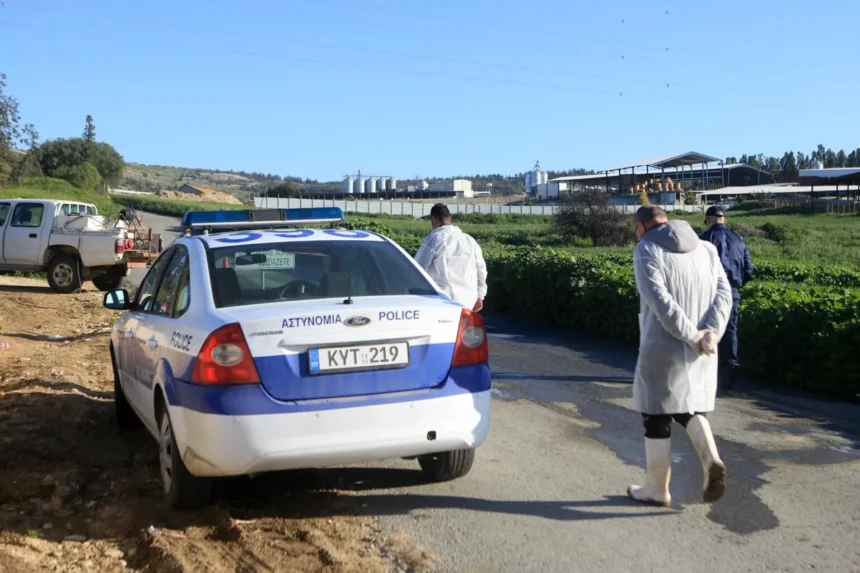
Support from the Cyprus Police and the National Guard was integral to the operation’s swift execution. The ministry emphasised that this joint cooperation among various agencies is crucial in combating the disease, protecting the livestock sector, and ensuring the nation’s food security.
Long-Term Implications for Livestock
Officials reiterated the importance of these measures in safeguarding the health of the livestock population in Cyprus, which directly impacts the agricultural economy and food supply. With this decisive action, the Ministry of Agriculture aims to prevent the further spread of the disease, which poses significant risks to both animal health and public health.