breakfast for — The newly launched Breakfast for All programme has come under scrutiny as the education ministry acknowledges shortcomings in its implementation. Concerns raised by parents regarding portion sizes and the use of plastic packaging have prompted immediate responses from officials.
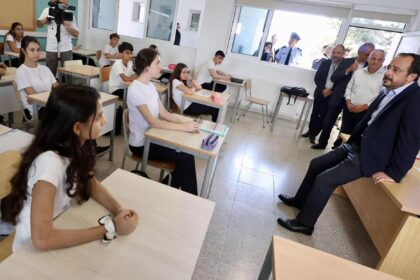
Launched on Tuesday, the pilot scheme aims to provide meals to around 3,900 preschool children in public preschools across the Larnaca and Famagusta districts. This initiative, announced by President Nikos Christodoulides in May, is part of a €1.5 million government effort to encourage healthy eating habits from an early age.
Images circulating on social media from the initial days of the programme highlighted breakfast portions that included individually packaged fruit, baked goods, and artificially sweetened milk. Parents expressed their dissatisfaction, questioning both the quantity of food provided and the environmental impact of the single-use plastics involved.
In response to these concerns, ministry officials confirmed that they were aware of the issues arising from the early phase of the rollout and are actively evaluating feedback. Representatives from the ministry monitored food preparation and children’s reactions to the meals during the programme’s first days.
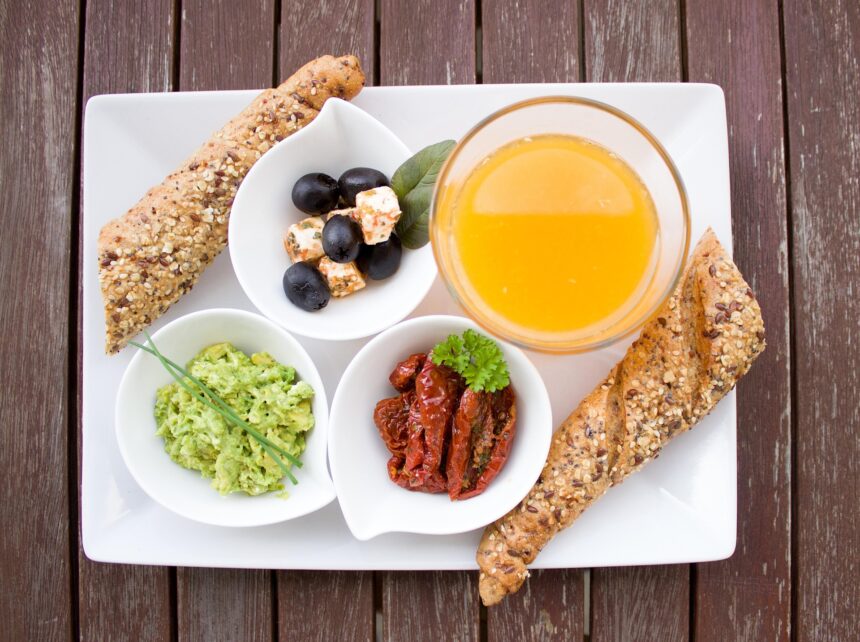
The programme’s menu, crafted by a team of nutritionists, is designed to cater to the nutritional needs of preschoolers. Breakfast options feature an assortment of savoury and sweet muffins, fruits, and milk, all aimed at promoting a balanced diet aligned with Mediterranean dietary guidelines.
Officials emphasised that ensuring high quality and safe food for children is paramount. They aim to instil healthy eating habits while addressing parents’ concerns about the environmental footprint of the packaging used. The ministry has stated that the catering contractor is bound by specific obligations to collect and recycle waste generated during the programme.
Discussions involving organised parents and other stakeholders took place earlier this week to assess observations and consider potential adjustments to the programme. The education ministry has indicated that while they will work to reduce the amount of plastic used, safety requirements must still be met.
The pilot phase will continue through the next school year in the current districts, with plans for expansion to additional areas set for next September. This initial implementation is seen as a critical opportunity for authorities to identify and rectify operational issues before a broader rollout.