cyprus dam — Cyprus dam levels have surged to 42.4%, doubling the figure recorded on the same date last year, according to the Water Development Department (WDD). This significant increase follows a notably wet spring, resulting in inflows that exceeded the combined total of the previous three years.
Cyprus dam: Remarkable Inflows Amidst Weather Changes
Marios Hatzikostis, First Technical Engineer at the WDD, reported that current dam storage stands at 123.4 million cubic metres, a substantial rise from the 61.5 million cubic metres at the same point in 2022. Hatzikostis noted, “Compared to last year’s picture, we are much better off. The capacity is at 42.4%, while this time last year it was 21.2% — exactly double the percentage.”
Key Dams Reaching Capacity
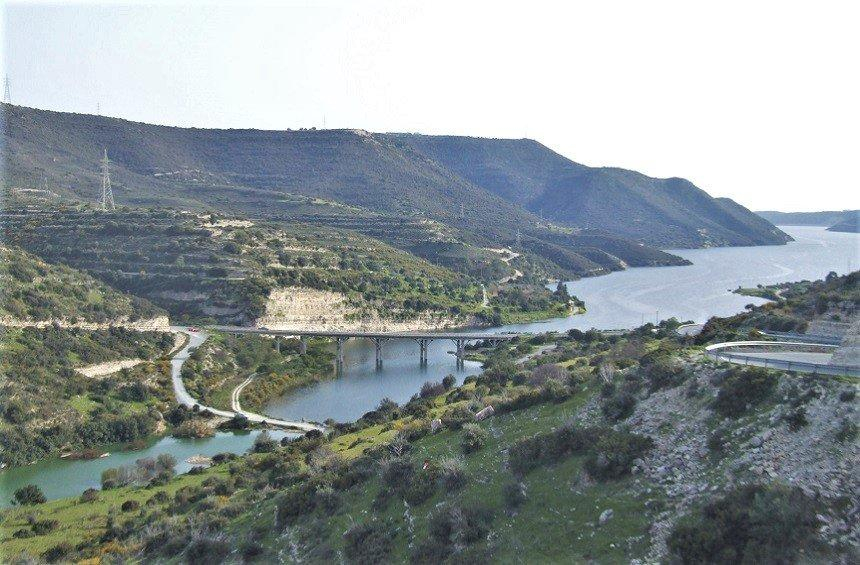
The Kouris dam, Cyprus’s largest, holds the majority of this water, with a current capacity of 48 million cubic metres, representing 41.8% of its total capacity. Several smaller dams are also experiencing marginal overflow, with the Pomos, Tamassos, and Kliros dams expected to cease overflowing by Monday. The Kalopanayiotis dam, however, is projected to overflow for another two to three weeks.
Unusual Weather Patterns Benefit Water Supplies
Hatzikostis attributed the positive figures to an unusual shift in rainfall from winter to spring, leading to dam overflows in June — a rare phenomenon as spring inflows typically lag behind winter totals. “It was a good spring for us,” he remarked, emphasising the significance of the recent weather patterns.
Inflow Figures Paint a Promising Picture
This year has seen a total dam inflow of 112 million cubic metres, contrasting sharply with the mere 92 million cubic metres recorded for the entire 2023 to 2025 period. Hatzikostis expressed relief, saying, “Fortunately, the rainy period arrived, at least in recent months, with increased inflows into the dams. Otherwise, we would have had a serious problem.”
The Journey from Crisis to Recovery
The current improvement follows a challenging start to the year. Hatzikostis recalled a “tragic” situation in early January when inflows were critically low, prompting a decision to reduce water supplies. However, as dam levels improved, the WDD revised its stance, although it continues to urge consumers to conserve water.
A Cautionary Note from Experts
Despite this positive turn, Hatzikostis warned that the situation could easily reverse without sufficient rainfall in the coming year. “Just as the dams have filled this year, they could easily be empty again if it doesn’t rain next year,” he cautioned, noting a pattern of three consecutive dry years previously observed.
Future Measures Against Drought
To mitigate the risk of prolonged drought, new desalination stations are currently under development to ensure a reliable water supply moving forward. These proactive measures aim to avert the worst-case scenarios that have challenged the region in recent years.