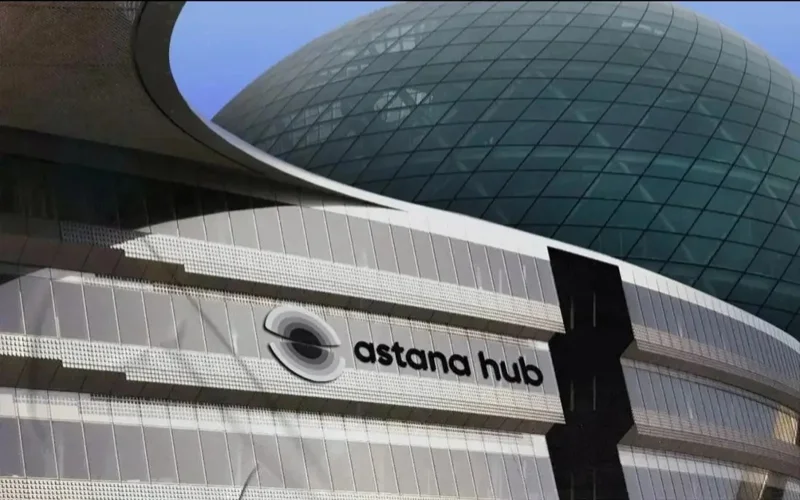
kazakhstan tech — kazakhstan tech — The focus on Kazakhstan’s tech ecosystem is intensifying, as highlighted by Magzhan Madiyev, CEO of Astana Hub, during his recent remarks at the Doers Summit in Limassol. Investors and entrepreneurs from Europe are now showing a deeper interest in engaging with the region, moving beyond mere curiosity to specific inquiries about operational logistics.

Photo: cyprus-mail.com
- Ultimately, Madiyev's message to potential European partners is clear: Kazakhstan is open for business, and now is the ideal time to engage with the country’s burgeoning tech ecosystem.
Kazakhstan tech: Shifting Perspectives on Kazakhstan
Madiyev emphasised that the nature of inquiries he received in Limassol marked a significant shift in perception. Two years ago, discussions often revolved around the question of “why Kazakhstan?”. Now, potential partners are asking “how do we get started?” This change reflects a growing recognition of Kazakhstan as a viable and attractive option for business.
Strategic Location and Competitive Advantages
Positioned at the crossroads of Europe, the Middle East, and Asia, Kazakhstan offers a unique advantage with over 2,200 companies operating within the Astana Hub ecosystem. Madiyev pointed out that the country provides direct access to markets that are often challenging for outsiders to penetrate. Furthermore, the competitive zero-tax regime until 2029 enhances its appeal.
Building Trust Through Ecosystem Diplomacy
Astana Hub’s participation in international events, such as the Doers Summit, serves a dual purpose. Madiyev described it as crucial for fostering ecosystem diplomacy, which extends beyond mere regulatory frameworks to building lasting relationships. By engaging with potential partners in person, they are able to establish trust, which is essential for forming enduring business collaborations.
Highlighting Kazakhstan’s Stability and Openness
Madiyev noted Kazakhstan’s reputation as a reliable partner in international business, emphasising its neutrality as a strategic asset. He expressed that the event in Cyprus was an opportunity to showcase Kazakhstan’s stability and openness to European partners, inviting them to experience the environment first-hand instead of relying on assumptions.
Attractive Features for European Companies
When discussing what attracts European companies to Kazakhstan, Madiyev highlighted three main factors: speed, cost, and access. He explained that the administrative process is remarkably efficient; companies can be registered within a week, and entrepreneurs can obtain necessary legal statuses swiftly. This efficiency is a stark contrast to the lengthy processes often experienced in Europe.
Innovative Support for Global Talent
Astana Hub has introduced various programmes to facilitate the relocation of global talent, including the Digital Nomad Visa and e-Residency initiatives. These allow foreign entrepreneurs to operate in Kazakhstan with minimal bureaucracy, significantly enhancing the ease of doing business.
Showcasing Kazakh Startups on Global Platforms
During the summit, Astana Hub presented three promising startups that exemplify Kazakhstan’s innovative spirit: Best Vision, Algebras AI, and Resti. Each company was selected for its strong product offering and potential for international expansion. Madiyev stated that these startups aim to connect with European markets and were well-prepared for investor discussions.
Engaging with Investors and Building Partnerships
The primary objectives for these startups at the summit were to initiate investor conversations and establish partnerships. Madiyev reported positive outcomes, noting that the interactions were more substantive than expected, with follow-ups underway for potential investments and collaborations.
Beyond Tax Incentives: Comprehensive Support for Startups
While the zero-tax regime garners attention, Madiyev insisted that the support provided by Astana Hub goes far beyond financial incentives. The Silkway Accelerator, in partnership with Google, has successfully facilitated the growth of numerous startups, enabling them to access substantial investment opportunities and resources.
Addressing Challenges in Attracting International Venture Capital
Madiyev candidly addressed the challenges faced in attracting international venture capital. He identified perception as the primary hurdle, where investors unfamiliar with the region often carry outdated assumptions. Connectivity remains another challenge, as building relationships with tier-one VCs requires time and proximity, which Astana Hub is actively working to overcome by establishing international offices.
Collaborating for Regional Growth
Kazakhstan’s leadership in the region is viewed as a shared responsibility. Madiyev expressed a commitment to fostering a robust tech ecosystem across Central Asia. This includes knowledge sharing and collaborative projects, such as the Market Entry Programme for Uzbek startups, aimed at aiding their expansion into Kazakhstan.
Ensuring Resilience Amidst Global Economic Changes
In light of the fluctuating global economic landscape, Madiyev underscored Kazakhstan’s approach to international cooperation, focusing on diversification and building long-term partnerships. He believes that this strategic positioning will help maintain stability and growth amidst changing conditions.
Looking Ahead: Future Milestones for Astana Hub
As Astana Hub aims to strengthen its ties with European tech communities, several critical milestones are on the horizon. Madiyev highlighted the rollout of the Trusted Kazakhstan programme, targeting major international companies and specialists, and the expansion of the Digital Bridge forum to attract global participants.
Ultimately, Madiyev’s message to potential European partners is clear: Kazakhstan is open for business, and now is the ideal time to engage with the country’s burgeoning tech ecosystem.