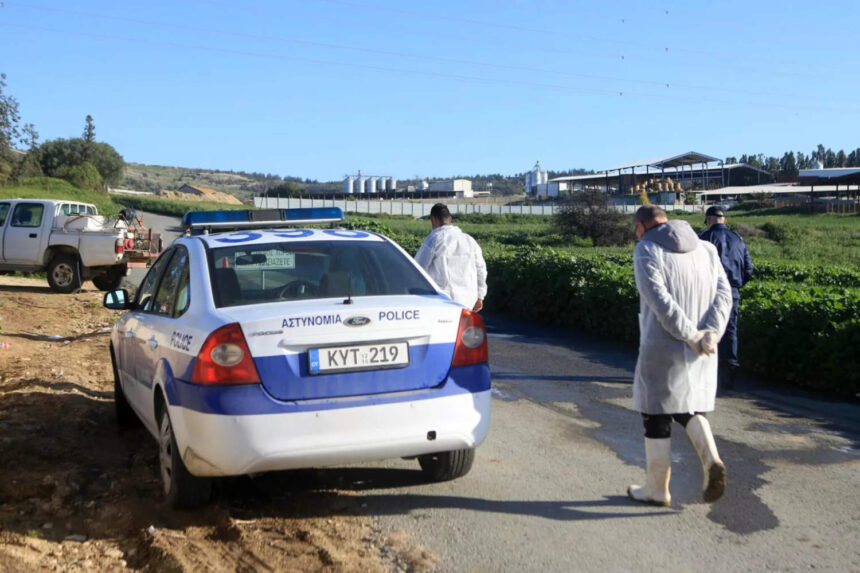
foot-and-mouth — Cyprus has deployed the National Guard and police to protect veterinary officers involved in culling animals due to a foot-and-mouth disease outbreak, following incidents of violence against staff at farms in Kofinou and Pachna.
- Reports indicate that veterinary officers have faced not only verbal abuse but also physical violence at their workplaces, especially in Pachna, leading to the necessity for security reinforcements.
The decision for increased security measures was made during a coordination session at the Ministry of Defence. Representatives from the Police and National Guard met with officials from Veterinary Services to discuss operational details and the deployment of necessary machinery.
A ministerial meeting was also held, attended by the Ministers and Directors-General from Defence, Agriculture, and Justice, along with senior police and National Guard leaders. This meeting solidified the role of security forces in safeguarding Veterinary Services personnel during culling operations and grave-digging activities, as well as enforcing surveillance of the Green Line to curb illegal animal movements from the occupied north, suspected to be the primary entry point for the virus.
Foot-and-mouth: Culling Operations in Full Swing
Currently, approximately 6,000 animals across 15 units are still awaiting culling. This includes 11 farms in Larnaca, three in Nicosia, and one in Pachna, located in the Limassol district. Agriculture Minister Maria Panayiotou emphasised the urgency of completing these culls within the next 24 hours, given the strong resistance observed from farmers.
Reports indicate that veterinary officers have faced not only verbal abuse but also physical violence at their workplaces, especially in Pachna, leading to the necessity for security reinforcements.
The Outbreak’s Widespread Impact
The outbreak has significantly affected the island’s livestock, with 120 livestock units reported to be infected. This includes 14 cattle units, 103 sheep and goat units, and three pig units primarily located in western Nicosia. To date, 45,180 sheep and goats have been culled, which accounts for 11.5% of their total population, alongside 3,018 cattle (3.5%) and 24,483 pigs (7.8%).
To manage the situation, around 120 disinfection checkpoints have been established across Cyprus. While 20 of these checkpoints have a permanent police presence, the rest are monitored through regular patrols. The National Guard is expected to reinforce additional checkpoints to ensure compliance with health measures.
Stricter Penalties Ahead
In light of the outbreak, the government is proposing to increase penalties for violations related to animal movement and biosecurity measures dramatically. A proposal set to be reviewed by the Cabinet includes administrative fines of up to €100,000 and judicial fines reaching €250,000.
Thus far, authorities have issued 27 administrative fines totalling €91,540 and referred six significant violation cases to the police for criminal investigation. This includes two cases related to the illegal movement of animals for slaughter in Kiti, raising alarms about the main source of the virus, believed to stem from illicit transactions.
In a bid to address the crisis effectively, coordination meetings have been ongoing, drawing together various stakeholders, including the President, the Epidemiological Team, and farming organisations, to ensure a unified approach in tackling the outbreak.