political challengers — political challengers — The recent legislative elections showcased how traditional parties managed to defy expectations and maintain their foothold, even as new political formations emerged. The outcome saw a reduction in the number of parties represented in the House, leaving many observers questioning what had transpired.
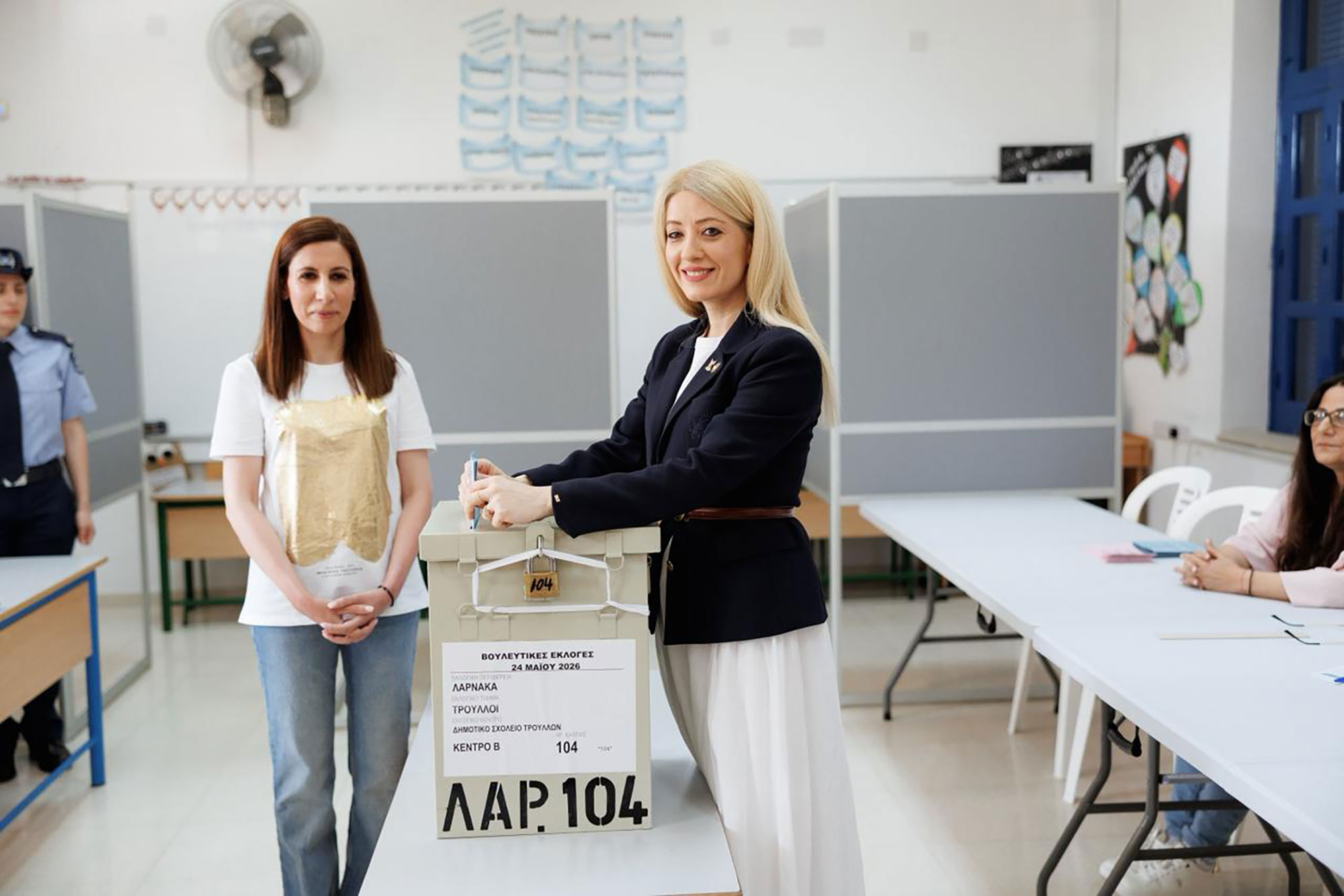
Photo: cyprus-mail.com
Political challengers: Election Results Reflect Stability
The results from last Sunday’s elections were telling. Disy secured 27.1 per cent of the vote, translating to 17 seats, while Akel followed closely with 23.9 per cent and 15 seats. Other parties making it into parliament included Elam with 10.9 per cent and eight seats, Diko with 10 per cent and eight seats, Alma with 5.8 per cent and four seats, and Direct Democracy with 5.4 per cent and four seats.
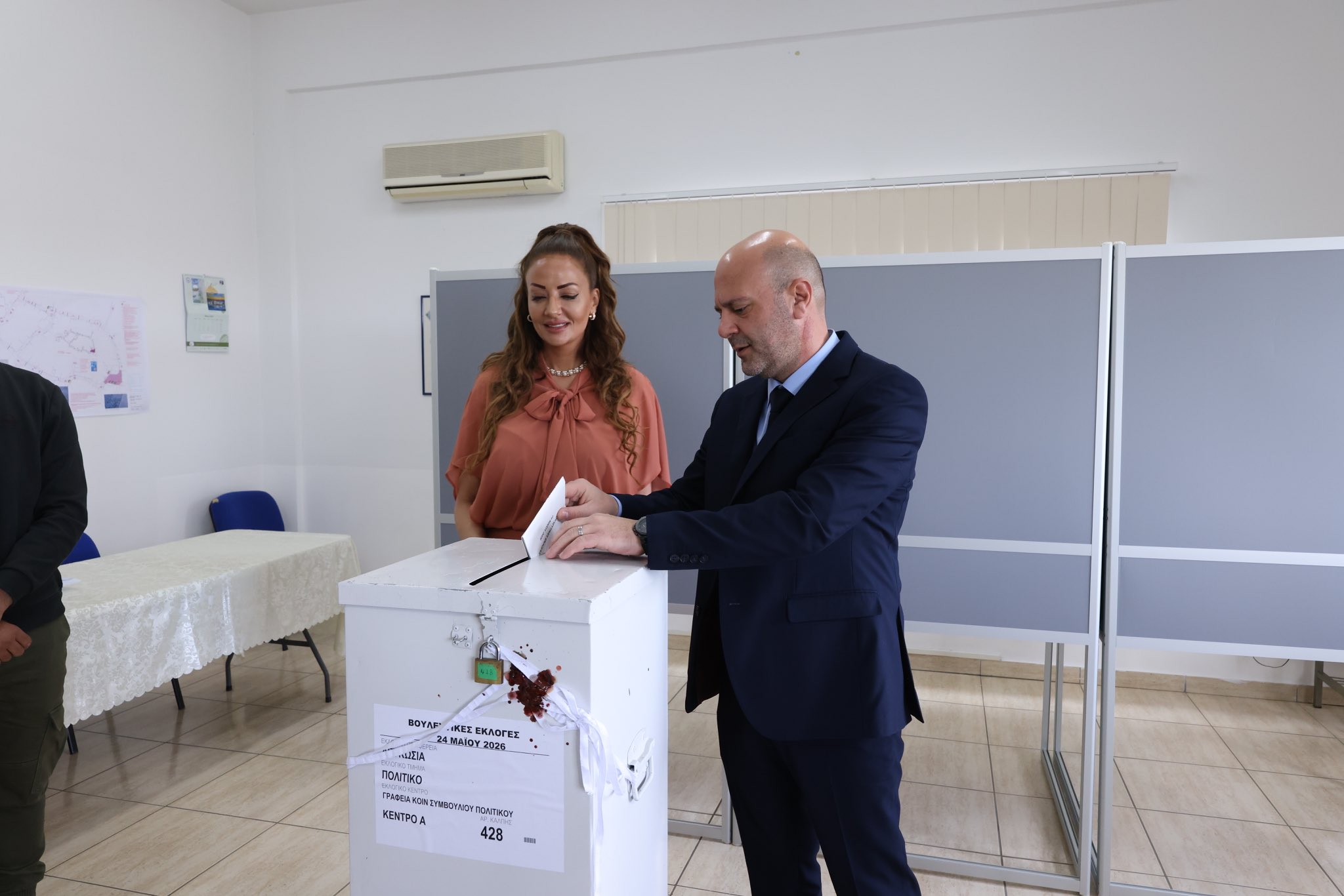
Photo: cyprus-mail.com
In comparison to the 2021 elections, Disy saw a slight decrease of 0.8 per cent in share but still collected more votes in absolute terms. Akel increased its share by 1.4 per cent, gaining approximately 9,000 extra votes. Elam, too, saw a boost of four percentage points, while Diko experienced a decline of 1 per cent and lost one seat. The notable losers included Edek, Dipa, and the Greens, who fell short of the 3.6 per cent threshold necessary for representation, losing their combined 11 seats to Elam, Alma, and Direct Democracy.
Momentum Shift and Last-Minute Changes
Political analysts had predicted a shift towards smaller, anti-establishment parties like Alma, Direct Democracy, and Volt, especially in light of rising discontent with traditional parties. However, as the elections drew closer, the momentum for these newcomers waned. Analyst Vasilis Protopapas observed that fears surrounding regional instability, including a recent drone incident, likely led voters to seek reassurance from established parties.
Alma’s leader, Odysseas Michaelides, had aimed high, hoping to surpass Elam and claim the title of the third-largest party. Yet, his confrontational style and aggressive rhetoric were seen as detrimental to his campaign. Meanwhile, Fidias Panayiotou, the leader of Direct Democracy, faced criticism for his extravagant wedding just days before the elections, which contradicted his image as a relatable candidate.
Challenges for New Parties
Both Alma and Direct Democracy failed to reach their ambitious goals of double-digit percentages. Protopapas noted that their campaigns lacked the necessary organisation and experienced candidates, which ultimately hampered their chances. He explained that the final days before the election saw a significant shift in voter sentiment, as many voters remained undecided until election day. This fluidity in voter decision-making played a crucial role in the surprising results.
Volt, another new entrant, fell just short of the threshold at 3.1 per cent. Despite having a compelling political narrative, they struggled with organisational issues and were affected by controversies surrounding their candidates.
Implications for Traditional Parties
For the established parties, the results were a mixed bag. Disy, under the leadership of Annita Demetriou, performed better than anticipated and is now poised to contest the presidential elections with confidence. Akel, while managing to retain seats, faces a more challenging landscape in parliament, as potential allies Edek and Volt are absent.
Diko, despite achieving its lowest percentage ever at 10 per cent, benefited from a strong candidate in Larnaca, which mitigated losses in other districts. The election results have shifted the balance towards a conservative majority, but this doesn’t necessarily reflect a radical shift in public sentiment.
Looking Ahead
As for the future of the excluded parties—Edek, Dipa, the Greens, and Volt—their viability remains uncertain. Protopapas highlighted that the middle-class electorate in Cyprus tends to favour stability and may not align with extreme political movements. This preference for the status quo was evident in the recent elections, where many disenchanted voters chose to abstain rather than support the traditional parties.
The challenges ahead for new parties like Alma and Direct Democracy include establishing a coherent identity and overcoming internal divisions, particularly as they attempt to position themselves as viable alternatives to the established order. The evolving political landscape in Cyprus will require these parties to adapt quickly if they hope to gain traction in future elections.