The history of soft drinks in Cyprus reveals a rich tapestry of cultural significance and economic impact that transcended mere refreshment. Once a staple in village coffee shops, markets, and social gatherings, locally produced sodas played a fundamental role in the daily lives of Cypriots. This narrative, which has been largely overlooked, is now the subject of Roys Kassapis’ new book, Gazoza: The History of Cyprus Soft Drinks.
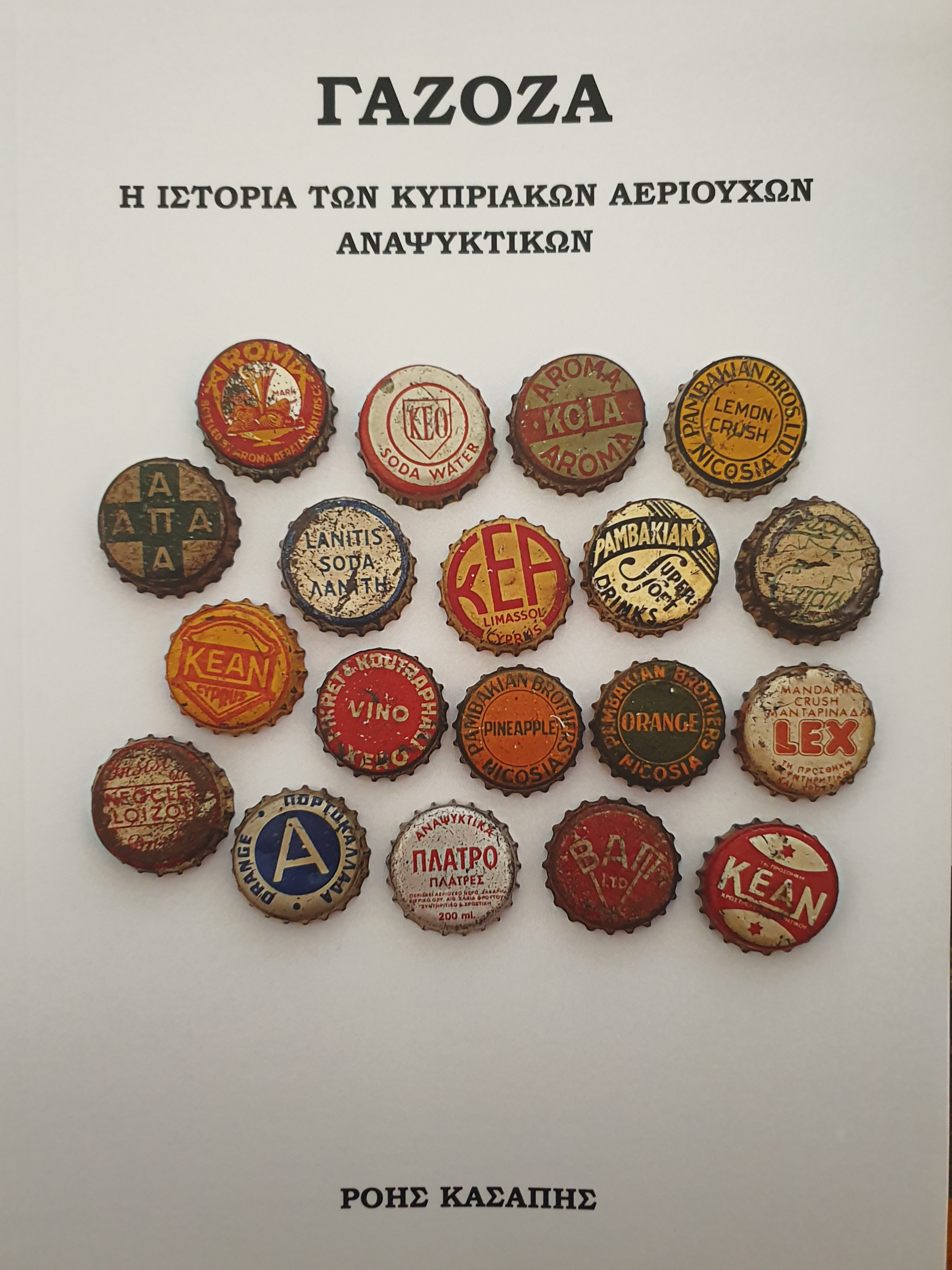
Photo: cyprus-mail.com
Soft drinks: From Local Delights to Global Brands
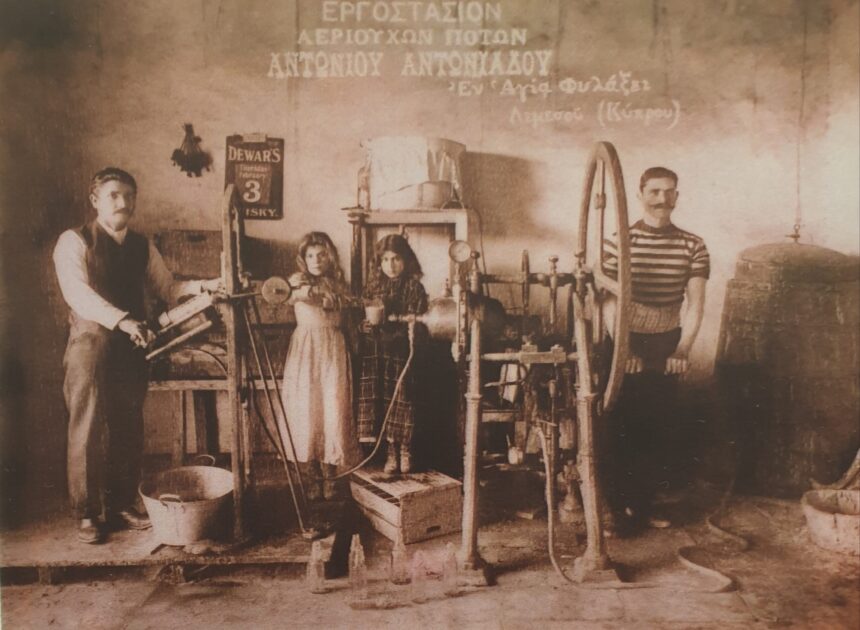
Before the influx of foreign brands, the soft drink industry in Cyprus was characterised by local innovation and community engagement. Kassapis traces the journey from the early days of soda production, when these beverages were known as ‘aerated waters’, to their prominence in the social fabric of the island. At their peak, the availability of locally made sodas was nearly universal, enjoyed by all social classes and in various settings, from classy hotels to humble street markets.
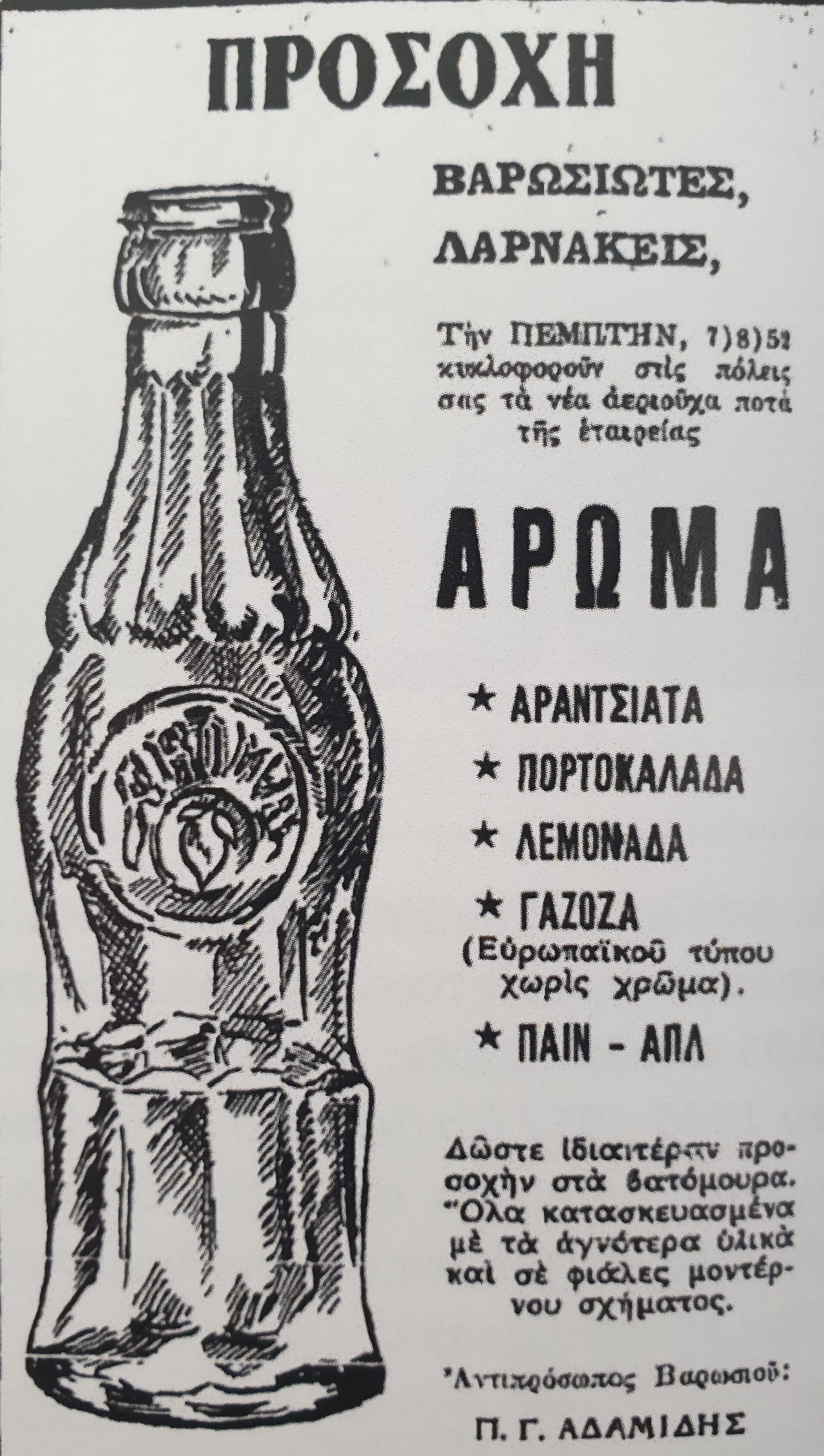
Photo: cyprus-mail.com
The Economic Impact of Soda Production
The soft drinks industry was not just about consumption; it provided livelihoods for many Cypriots. “Soda makers were primarily small business owners,” Kassapis notes, highlighting how coffee shops and restaurants became entry points into the industry with minimal barriers to entry. This accessibility allowed many to turn to soda production, especially during challenging economic times, including returning veterans from World War II.
As the industry grew, larger enterprises emerged, often led by individuals with scientific or technical expertise. This evolution allowed for more sophisticated production and distribution networks across the island. Kassapis emphasises the importance of this industry, stating, “The soda industry provided employment and a livelihood for many poor families.”
Social and Cultural Significance
The soft drink culture in Cyprus was imbued with social significance. Kassapis reflects on how sodas became part of everyday life, transcending social hierarchies and becoming a common thread in various social settings. “They were everywhere,” he recalls, illustrating their omnipresence in village taverns, cinemas, and schools.
Advertising also played a pivotal role in shaping the perception of soft drinks. Posters and marketing campaigns became integral to the visual landscape of towns and cities, making soda brands a part of the Cypriot identity. This representation not only promoted consumption but also connected communities through shared experiences and nostalgia.
Rich Human Stories Behind the Bubbles
One of the most compelling aspects of Kassapis’ research is the human stories that emerge from the soda industry. He recounts various anecdotes, including a partnership between a Greek and a Turkish Cypriot to establish a soda business in Lefka during the 1930s, showcasing cross-community collaboration during a time when such partnerships were rare.
Additionally, there are tales of competition and camaraderie among soda makers, reflecting the vibrant community spirit. Kassapis highlights moments of conflict, such as disputes over ownership of bottles and crates, as well as more poignant stories from the turbulent times during the events of 1974 when several soda makers went missing.
Challenges in Documenting History
Despite the richness of this history, Kassapis faced significant challenges in compiling the narrative. The lack of preserved industrial records has made it difficult to trace the lineage of specific brands and products. “Surviving records are hard to come by,” he explains, underscoring the importance of documenting these stories before they fade into obscurity.
His meticulous research highlights the early 20th-century beginnings of the local soda industry, which often started as small enterprises before evolving into larger factories by the 1950s and 60s. However, as consumer preferences shifted and globalisation took hold, many of these local businesses struggled to survive.
Decline of Local Production
The impact of globalisation on the soft drink market in Cyprus cannot be overstated. Kassapis notes that the once-thriving local industry has dwindled significantly, with only a handful of manufacturers remaining as international brands dominate the market. This decline represents not just a loss of local production but a shift in cultural identity and community connections.
In reflecting on the evolution of soft drinks in Cyprus, Kassapis captures more than just the history of a product. He emphasises the need to document these narratives before they are lost to time. “As with all historical crafts and industries, recording is crucial as memories gradually fade,” he asserts. His book serves as a vital reminder of how deeply intertwined these simple beverages are with the everyday lives of Cypriots.
A Call to Remember
Kassapis’ work is not just an exploration of soft drinks; it is a celebration of the human experiences that define Cypriot culture. As he notes, the stories behind these beverages—of partnerships, competition, and community—are worth preserving. Gazoza: The History of Cyprus Soft Drinks is available at Moufflon bookshop, inviting readers to revisit a significant chapter in Cyprus’ social history.