The upgrade of Liopetri fishing shelter has ignited a debate about the balance between development and preserving natural beauty in Cyprus.

Photo: cyprus-mail.com
- The upgrade of Liopetri fishing shelter has ignited a debate about the balance between development and preserving natural beauty in Cyprus.
- Ultimately, the future of Potamos Liopetriou will depend on how well the project incorporates feedback from the community and balances development with environmental stewardship.
Liopetri fishing: Transforming Potamos Liopetriou
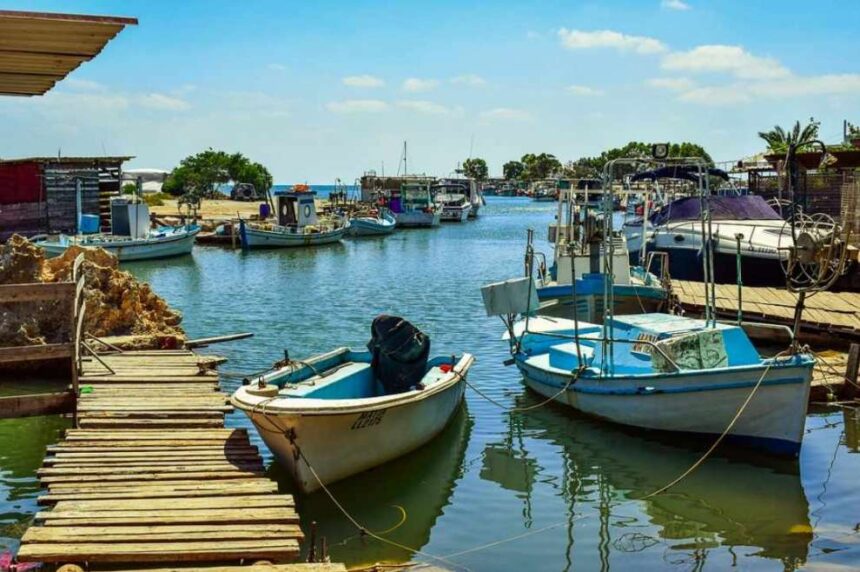
Liopetri fishing shelter, known as Potamos Liopetriou, has long served as a picturesque inlet for fishermen and tourists alike. Before the planned upgrade, the location featured tranquil waters, makeshift jetties, and two local restaurants that attracted visitors seeking a scenic dining experience. The area, however, faced increasing pressure for development, particularly with the construction of a nearby marina in Ayia Napa.

Photo: cyprus-mail.com
Funding and Project Timeline
In 2018, plans for the renovation of the fishing shelter were approved, with former president Nicos Anastasiades laying the foundation stone in January 2023. The project, costing €8 million, is co-financed by the European Maritime and Fisheries Fund, with 75 per cent of the funding sourced from the EU. Originally slated for completion in November 2023, the project has faced several delays, including issues with the initial contractor.
Components of the Upgrade
The proposed upgrades include new walkways, a bridge across the estuary, bicycle paths, and a pedestrian pathway, as well as a fishing education centre and a multi-purpose space. Ayia Napa mayor Christos Zannetou has expressed strong support for the project, saying it will enhance public access and encourage tourism. “Now, with the walkways that are being constructed, people will be able to walk around, look at the boats, the fishermen,” he stated.
Environmental Concerns
While some local officials view the upgrade as necessary, environmental advocates like Tassos Shialis from BirdLife Cyprus have raised concerns about the impact on the area’s ecosystem. The fishing shelter lies within a ‘Natura 2000’ protected zone, designated for the greater sand plover, a bird species that is rare in Europe. Shialis argues that the development could further threaten the habitat of this vulnerable species. He notes, “It was unique, that whole landscape, and we went and ruined it.”
Community Opinions on the Upgrade
Community reactions to the upgrade have varied. Some residents are optimistic about improved facilities and increased foot traffic, while others lament the loss of the area’s natural charm. Local fishermen appreciate the potential benefits of enhanced infrastructure, such as access to electricity and water. However, some worry that the development prioritises tourist needs over the interests of local fishermen. “It’s going to be completely different to how it was,” predicts Zannetou, who believes the upgrade will eventually become a landmark.
Delays and Project Status
As of now, the project is significantly behind schedule. The original contractor faced cash flow issues, leading to a halt in construction. In 2025, a new contract worth €3.6 million was awarded to resume work, with assurances from Zannetou that there have been no further delays since. A recent visit by the Cyprus Mail revealed limited activity at the site, leading to some scepticism among locals about the project’s progress.
Historical Context and Changing Perspectives
For many long-time residents, the character of Potamos has already changed significantly over the years. Andreas Panayiotou, a local boat operator, reflects on the evolution of the area, noting that it was once a wild landscape. He acknowledges that while the fishing shelter had its problems, it was essential to clean up the site. “Something had to be done to clean up the place,” he stated, suggesting a willingness among locals to embrace change for better maintenance and accessibility.
A Balancing Act for the Future
The situation at Liopetri fishing shelter encapsulates a broader conflict between development and environmental preservation in Cyprus. As the upgrade continues, stakeholders must navigate the competing interests of tourism and local ecosystems, striving to find a balance that respects both the natural beauty of the region and the economic benefits that come from increased visitor access.
Ultimately, the future of Potamos Liopetriou will depend on how well the project incorporates feedback from the community and balances development with environmental stewardship.