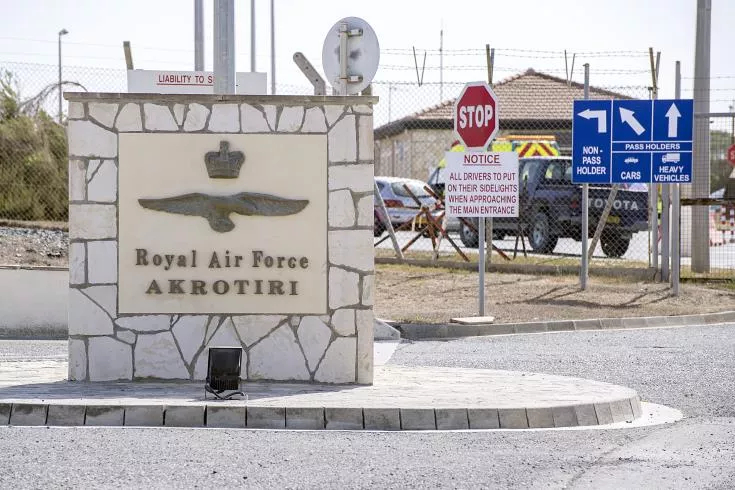
A two-month-long ban on drones in the British-controlled areas of Cyprus has finally been lifted, according to an announcement from the Sovereign Base Areas administration. The ban was initially imposed following a concerning incident involving a drone strike on the RAF Akrotiri base.
Drone ban: Reasons Behind the Initial Ban
On March 2, 2026, a drone attack targeted RAF Akrotiri, a significant military installation on the island. This attack came amidst escalating tensions in the region, particularly between Israeli and US military forces and Iran. Initial assessments suggested that the drone was launched from a pro-Iran militia, likely Hezbollah, based near Beirut. The drone, identified as an Iranian-made Shahed type, managed to breach the airfield and struck a hangar, igniting a fire and causing minor structural damage. Fortunately, there were no casualties, and operations at the airbase were not interrupted.
Measures Taken Post-Attack
In response to this incident, the British Bases enacted a ban on all civil drone operations starting March 7, 2026. This prohibition extended not only to drones but also to paragliding activities, which could potentially be misidentified as threats by military radar systems. The aim was to clear the airspace for military monitoring and to protect national airspace from any interference amid rising security concerns.
Impact on Tourism and Local Economy
The restrictions had a noticeable impact on Cyprus, particularly in the tourism sector. According to figures from the Statistical Service, tourist arrivals in March 2026 plummeted by 30.7%, with only 139,198 visitors compared to 200,736 in March 2025. The unrest and the subsequent drone ban weighed heavily on bookings, prompting concerns over the upcoming tourist season.
Current Security Assessments and the Lifting of the Ban
After months of high alert, recent security assessments by the British Sovereign Base Areas have indicated that the immediate risk of further drone attacks from regional militias has significantly decreased. As a result, the decision was made to lift the drone ban, allowing recreational activities to resume. This change is seen as a positive development for Cyprus, which is eager to restore its image and stimulate its tourism sector.
Looking Ahead
With the lifting of the drone ban, there is cautious optimism among local businesses and tourism operators that visitor numbers may begin to recover. The government is hopeful that this will mark the start of a rebound in tourism, as the island strives to improve its appeal in the wake of recent challenges.