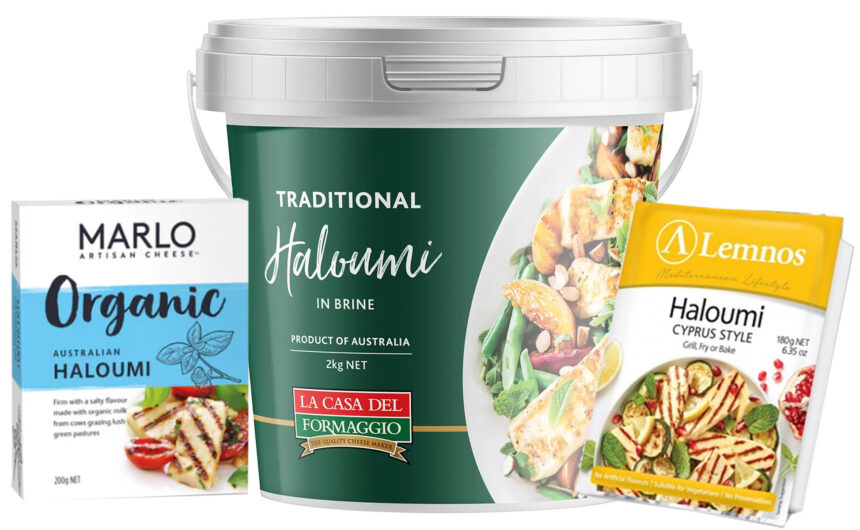
For many, halloumi with two Ls is more than just a cheese; it’s a symbol of Cypriot identity. Yet, as the cheese gains global fame, an unsettling trend has emerged: the name is increasingly being shortened to ‘haloumi’ on supermarket shelves around the world. This seemingly minor alteration has become a hot topic among Cypriots, who see it as a challenge to their cultural heritage.
A Culinary Staple Beyond Cyprus
Halloumi’s rise can be attributed to its unique texture and versatility in cooking. The squeaky cheese has quickly become a favourite in various culinary settings, from casual wraps to gourmet burgers. Its ability to maintain shape when grilled makes it particularly popular among vegetarians and brunch enthusiasts. As it becomes a staple in kitchens far from its homeland, the significance of its name takes on new weight.
The Globalisation of Halloumi
In recent years, particularly in the UK, halloumi has surged in popularity. Yet with this success has come an array of variations and derivatives, including the contentious ‘haloumi’. This shift raises questions about authenticity and the implications of altering a name that carries centuries of history.
The Impact of Protected Designation of Origin
Halloumi was granted Protected Designation of Origin (PDO) status, which protects its name within the European Union. This designation is tied to specific production standards unique to Cyprus, ensuring that only cheese made according to these traditional methods can bear the name ‘halloumi’. However, in markets like Australia, producers have resorted to the name ‘haloumi’ as a workaround to navigate labelling rules and trademark sensitivities, creating confusion among consumers.
Economic and Cultural Significance
The economic implications of this name change are profound. With Cyprus producing over 41,000 tons of halloumi annually, generating more than €300 million in exports, the cheese is not only a culinary delight but also a cornerstone of the island’s economy. The proliferation of alternative names threatens this economic stability and the cultural heritage tied to halloumi.
Tradition vs. Modernity
Halloumi has a rich history on the island, traditionally made from sheep and goat milk, often infused with mint. For many Cypriots, the cheese represents their cultural roots and the traditions passed down through generations. The shift to ‘haloumi’ feels like a loss of authenticity, a dilution of something that has been cherished for centuries. Many locals argue that changing the name diminishes the depth of its cultural significance and the stories intertwined with its production.
The Future of Halloumi
As the debate continues, the question remains: can the integrity of halloumi be preserved in the face of global demand? While the cheese flourishes abroad, a collective effort to educate consumers about its origins and the importance of its name is crucial. Only by acknowledging and respecting the heritage behind halloumi can its true essence be maintained.