
ai therapist — ai therapist — When AI becomes your therapist, it raises intriguing questions about the future of emotional support. Increasingly, individuals feeling overwhelmed or anxious turn to artificial intelligence chatbots like ChatGPT, seeking solace and guidance in their most vulnerable moments.
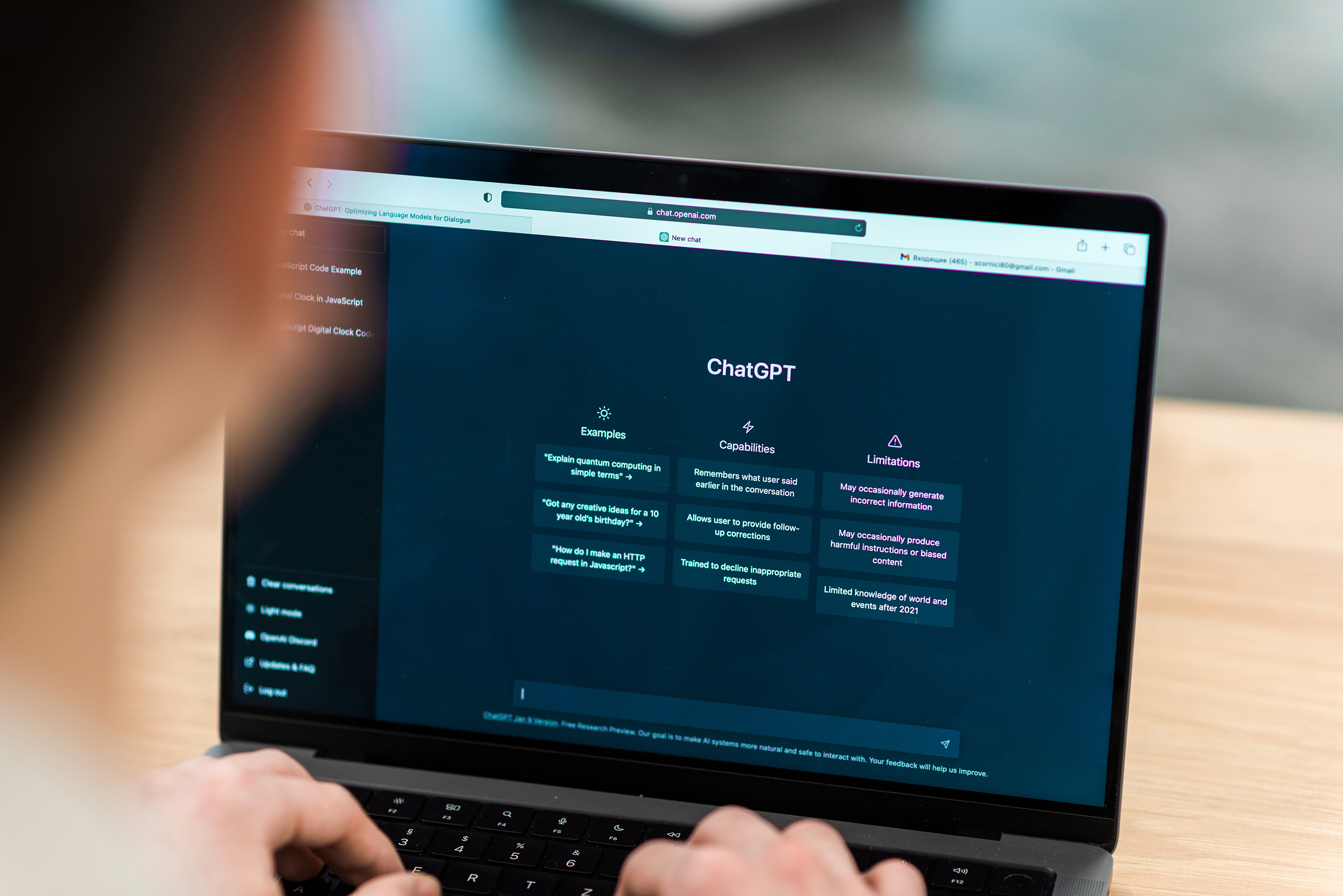
Photo: cyprus-mail.com
Ai therapist: Understanding the Appeal of AI Therapy
The appeal of AI as a confidant is rooted in its ability to offer instant responses, anonymity, and an absence of judgment. Licensed counselling psychologist Evie Michailidou explains that for many, the convenience of typing thoughts whenever they arise is incredibly reassuring. The immediacy of AI interactions can feel comforting, especially when traditional support systems may not be readily available.
The Generational Shift in Seeking Help
Recent studies highlight a growing trend among younger generations turning to generative AI tools during times of emotional distress. Research from the Journal of Medical Internet Research indicates that this demographic often prefers the instant feedback that AI provides over the traditional therapeutic process, which requires time and engagement.
AI vs. Human Connection
While AI can provide quick comfort, Michailidou cautions against equating this with genuine psychological support. Therapy is not merely about immediate relief; it involves a complex relationship built on trust, empathy, and understanding. The bond between therapist and client is a crucial predictor of positive therapeutic outcomes—something that AI is inherently unable to replicate.
Limitations of AI Interventions
Despite AI’s ability to generate data-driven suggestions, it falls short in delivering the nuanced understanding that comes from human interaction. AI’s responses are crafted based on patterns from vast datasets, lacking the emotional attunement that professionals bring to their practice. Michailidou emphasizes the importance of clinical judgement and ethical responsibility in mental health care, attributes that AI simply does not possess.
The Risks of Over-Reliance on AI
As AI usage for emotional support grows, experts worry that individuals may misinterpret the advice given, especially in complex mental health situations. While AI can be a helpful tool for processing thoughts or providing tips on common issues like stress management, Michailidou warns that it cannot replace the depth of an in-person therapeutic relationship.
AI’s Potential for Limited Support
There are constructive ways in which AI can contribute to mental wellbeing, albeit in a limited capacity. Accessing general information or practical strategies for common difficulties can be beneficial. However, this should not be viewed as a substitute for professional support. Each person’s psychological journey is unique and demands a tailored approach to achieve meaningful change.
The Future of Emotional Wellbeing
As technology evolves, the landscape of seeking emotional support continues to shift. Michailidou suggests that while AI can provide temporary reassurance or general guidance, it cannot fulfil the deeper need for connection that is central to human experience. Ultimately, emotional wellbeing hinges on the relational safety and professional accountability that only human interactions can offer.