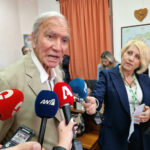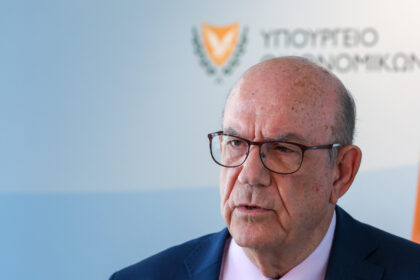
A compensation plan for livestock farmers aiming to resume operations after foot-and-mouth disease (FMD) outbreaks has been finalised and is headed to the Council of Ministers for approval. Kyriakos Kailas, head of the Pan-Agricultural Association, announced the agreement on Wednesday, highlighting the financial support that will assist farmers in restarting their units.
- Kailas underscored the necessity for a resolution to these pressing issues, aiming for a balanced approach that allows for both recovery and effective land use.
The new framework outlines payments designed specifically for reactivation, following earlier compensation measures which related to the culling of animals during the outbreaks. Kailas emphasised that this initiative is essential for the recovery of impacted livestock producers.
Compensation plan: Financial Support and Gradual Restart
Once the cabinet gives its nod, farmers will be able to claim the compensation and swiftly declare the restart of their operations. This package also includes provisions for continued payment of lost income for up to 12 months, with extensions available if needed.
Kailas mentioned that the return to full production will be a gradual process. Initially, farmers will be permitted to introduce a small number of animals—around three to four—as part of a pilot scheme. This cautious approach aims to monitor any potential infections before allowing a complete herd rebuild.
Vaccination Efforts and Disease Control
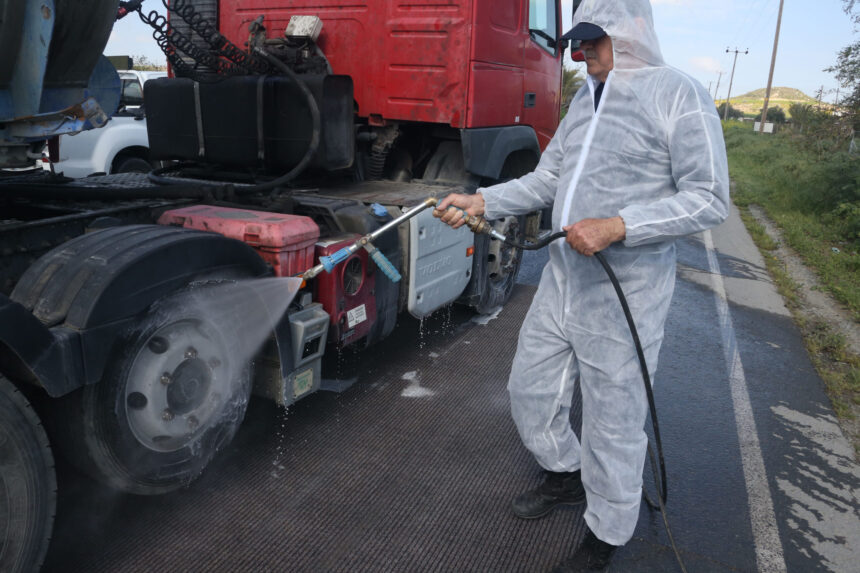
Vaccination remains a cornerstone of efforts to control the disease. Kailas reiterated that vaccinations help reduce viral loads and assist animals in developing antibodies, thereby lowering risks of further transmission. He described the measures as being “in the right direction,” providing a practical pathway for recovery.
Collaboration with Agricultural Bodies
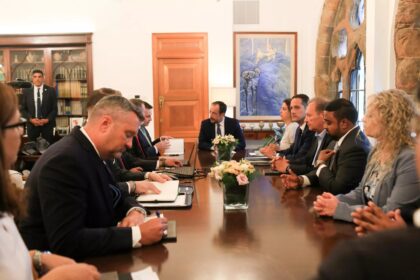
An advisory committee, including representatives from cattle, sheep, and broader agricultural organisations, played a significant role in determining the compensation figures. The Agricultural Research Institute contributed as well, helping to amend previous compensation levels that farmers deemed unfair.
The agreement follows extensive negotiations among farmer groups and authorities regarding the financial repercussions of disease control measures, which included large-scale culling in affected areas. Kailas reported that livestock farmers are largely satisfied with the outcome, appreciating the clarity it brings to those seeking to restart production.
Challenges in Restricted Zones
While the new compensation plan is progressing, Kailas also raised concerns regarding restricted areas impacted by the outbreak. Discussions on pig farming and grain use within three-kilometre restriction zones are anticipated next week. Farmers in these zones face challenges in utilising their land effectively after the removal of animal populations, prompting questions about how local grain production should be managed.
Kailas underscored the necessity for a resolution to these pressing issues, aiming for a balanced approach that allows for both recovery and effective land use.
Support from Agricultural Organisations
In a related development, Euroagrotikos, an agricultural organisation, has expressed support for the compensation amounts agreed by the Foot-and-Mouth Disease Management Committee. In a letter to President Nikos Christodoulides, the organisation urged that the figures proceed to cabinet without alteration and recommended prioritising disease prevention over protests or road closures, cautioning that such actions could complicate crisis management.
Euroagrotikos also called for stricter enforcement against illegal trade from the north and advocated for tighter monitoring along the buffer zone to prevent unauthorised transactions. They emphasised that robust enforcement is crucial for safeguarding the agricultural sector.
While acknowledging the various opinions within the farming community regarding the government’s response to the outbreak, Euroagrotikos noted a collective concern over animal losses and the challenges faced by livestock farmers. They reiterated the importance of adhering to established disease control protocols as mandated by EU membership.
The cabinet is expected to review the compensation package in its upcoming meeting. If approved, farmers can look forward to receiving payments, enabling the reactivation of affected livestock units to proceed as planned.