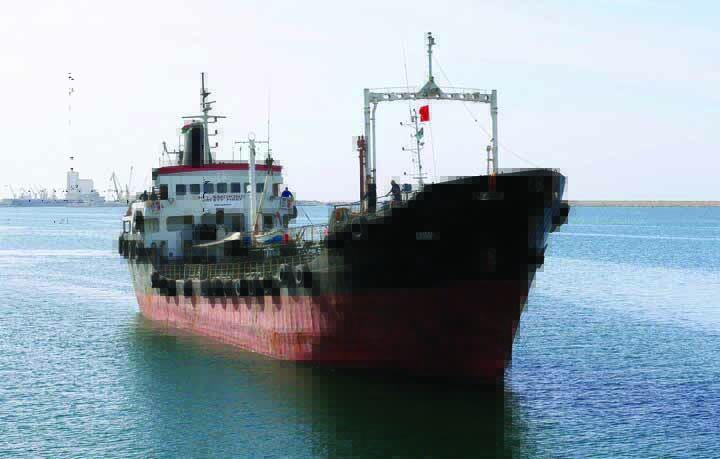
Oil remains crucial for energy security and economic stability, despite the global shift towards renewable energy sources. Recent investments in clean energy and advancements in battery technology have been significant, yet the global economy continues to heavily rely on oil. As we move through 2023 and into 2025, global oil production has seen an upsurge primarily driven by increasing demand from aviation, petrochemicals, and transportation.
- In more recent history, the oil price reached USD 147 per barrel in 2008, compounding the pressures on economies already in decline ahead of the financial crisis.
- Furthermore, projections suggest that global oil demand will not peak before the end of the decade, with expectations of a plateau around 105.5 million barrels per day by 2030.
Dependence on Oil in Key Industries
While electric vehicles (EVs) are capturing a larger market share, sectors such as heavy industry, shipping, and aviation still depend almost entirely on oil-based fuels. This reliance underscores the ongoing importance of oil in various industrial applications, particularly in petrochemicals, which are vital for producing plastics, fertilisers, and pharmaceuticals. The International Energy Agency (IEA) projects that petrochemical feedstocks will account for over 60 per cent of global oil-demand growth by 2026, an increase from 40 per cent in 2025.
Geopolitical Tensions and Market Sensitivity
The critical role of oil has been highlighted by recent geopolitical tensions, particularly in the Strait of Hormuz, through which approximately 20 per cent of the global oil supply flows, alongside a significant portion of liquefied natural gas (LNG) exports. As a result of these tensions, Brent crude prices have surged, driven by increased insurance premiums, rerouted shipping routes, and market speculation about prolonged instability.
The sensitivity of global oil markets to disruptions is exacerbated by the concentration of oil inventories in non-OECD regions, even as these inventories have increased in late 2025. Key pricing hubs continue to operate near multi-year lows, intensifying the effects of any market fluctuations.
Economic Consequences of Rising Oil Prices
Rising oil prices inevitably affect transportation costs, industrial inputs, and food prices, creating inflationary pressures. This situation poses challenges for central banks that were initially preparing to ease monetary policy but now face a resurgence in inflation. For economies already burdened with high debt and stagnant growth, the potential for renewed inflation cycles is particularly concerning.
Increased energy costs diminish household purchasing power and corporate profit margins, which can slow economic activity and indicate a potential for stagflation. Historical precedents illustrate the impact of oil price shocks: the 1973 oil embargo quadrupled prices and contributed to a global recession, while the 1979 Iranian Revolution triggered another spike, leading to stagflation.
In more recent history, the oil price reached USD 147 per barrel in 2008, compounding the pressures on economies already in decline ahead of the financial crisis.
Future Projections for Oil Demand
Despite advancements in energy diversification, the current market remains vulnerable. The IEA anticipates that global oil demand will increase by 860,000 barrels per day in 2026. While the transition to renewable energy is progressing, it has not reached a point where it can replace the essential functions of oil within global supply chains. Even the development of green technologies and infrastructure relies on oil, highlighting its ongoing significance.
Furthermore, projections suggest that global oil demand will not peak before the end of the decade, with expectations of a plateau around 105.5 million barrels per day by 2030.
Impact on Smaller Economies
Small nations with limited energy diversification are particularly susceptible to global oil price shocks. For instance, Cyprus depends on imported fuels and primarily uses heavy fuel oil for its electricity generation, making it especially vulnerable to fluctuations in international oil prices. Any rise in these prices directly impacts electricity costs for households and businesses, undermining economic competitiveness.
With oil still constituting a dominant input in Cyprus’ power generation mix, even slight variations in Brent prices can have significant ramifications for inflation, fiscal planning, and the cost structure of export-oriented sectors.
The Path Ahead for Energy Security
Until alternative energy solutions achieve sufficient scale to replace oil, it will continue to influence macroeconomic conditions significantly. The global transition toward renewables is well underway, yet the current landscape demonstrates that energy security continues to rely heavily on oil. Geopolitical risks, supply-chain disruptions, and uneven distribution of inventories will keep the global economy acutely sensitive to the volatility of the oil market.