garden full — If you want a garden full of flowers, selecting the right plants is essential for creating a vibrant and inviting space. Many varieties of flowers are currently in bloom, including the beloved rose, which can flower year-round in some gardens and often emits a sweet fragrance.

Photo: cyprus-mail.com
Garden full: Popular Flower Choices
One of the standout flowers in my garden is Rosa banksiae, known for its charming yellow blooms, although some bushes showcase white flowers. Unfortunately, neither variety carries a scent. In choosing flowers, it’s important to consider which plants will attract local wildlife, such as bees and butterflies.

Photo: cyprus-mail.com
Attracting Bees and Butterflies
Bees are particularly drawn to shades of blue and purple, making lavender and rosemary excellent options for any garden. On the other hand, butterflies favour flowers in yellow and white hues, which can often be found near citrus trees, although there are exceptions to this rule.
Some flowers emit fragrances that attract various insects, but it’s worth noting that scents from peppermints, cloves, or geraniums tend to deter them. If you’re looking to draw more insects into your garden, consider planting bulbines or bulbinellas. These plants thrive in our climate and invite wildlife, but they can be invasive, so regular trimming is necessary.
Flowering Shrubs and Trees
Wisteria sinensis is another popular choice for gardeners, as it is a climber that can quickly drape over fences or railings. The flowers attract a multitude of insects, despite their short lifespan, which can be affected by heavy rain. Leucophyllum frutescens, commonly known as the Texas Ranger, is another shrub that blooms repeatedly, especially after rainfall. You can even encourage more blooms by misting the leaves with water.
Fruit Trees and Their Care
Many gardens also feature fruit trees, such as prunus and citrus varieties, which originated from regions as far as China and Asia Minor. These trees can flourish at elevations of 1,000 to 1,500 metres. All prunus and citrus trees are hermaphroditic, possessing both male and female flowers. Prunus fruits are classified as ‘drupes,’ while citrus fruits are known as ‘hesperidium,’ a type of modified berry.
In Cyprus, it is common to find orange and lemon trees in gardens, with olives being a popular choice if space permits. As a reminder, May is the final month to feed these trees with 20.10.10 fertiliser, applied near the trunk and beneath the canopy.
Challenges in Growing Fruit Trees
Growing fruit trees can present challenges, including diseases like canker, which can manifest through resinous gum excretion and circular dark-brown spots on leaves. To manage this, prune diseased branches back at least six inches to prevent the spread of infection. It’s also crucial to sterilise pruning tools to avoid transferring diseases between trees.
Leaf curl is another common issue affecting peaches, nectarines, and almonds, especially in spring when young leaves become distorted. If untreated, these trees may experience poor fruit set and premature leaf drop. Regular maintenance includes clearing old foliage from around the base of trees to ensure proper water absorption.
Pest Control Strategies
As temperatures rise in May, the presence of pests such as greenfly, blackfly, and brown-fly increases. These can be managed with either chemical sprays or a simple solution of water mixed with a small amount of washing-up liquid. Be vigilant, as these pests often target pomegranates, almonds, apricots, and peaches.
One of the most significant threats to fruit trees in this region is the Mediterranean fruit fly, which avoids lemons, pecans, and loquats due to their thick skins. Acting swiftly is crucial, as the lifecycle from egg to mature fly is a mere 20 days, meaning effective pest control is essential to protect your harvest.
Summer Flowering Plants
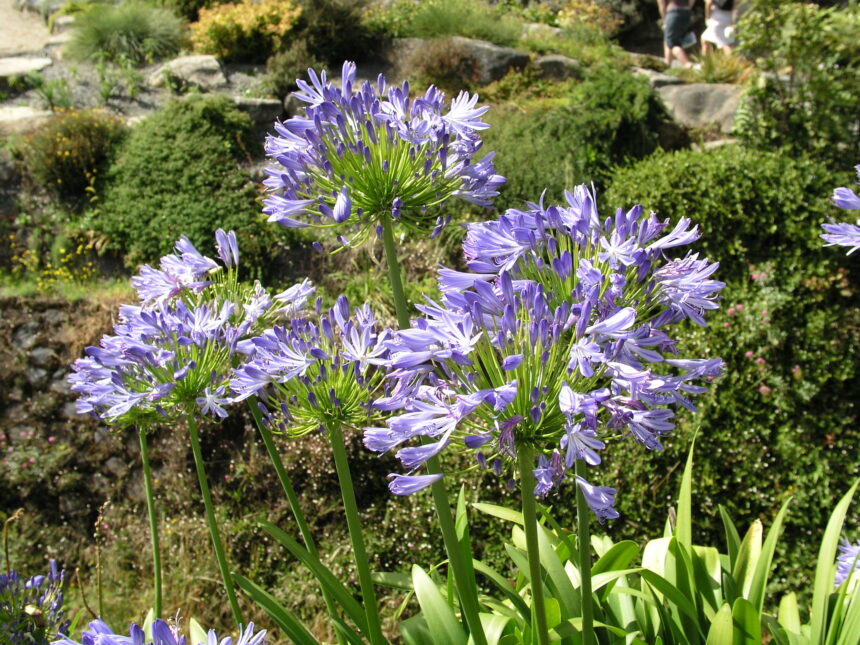
For those looking to add summer flowering plants, agapanthus from South Africa is a great option. These flowers thrive in sunny locations and can be planted as bulbs or purchased as potted plants. If you notice your agapanthus failing to bloom, consider their planting depth and ensure they are not overcrowded.
Another excellent choice is Hemerocallis, commonly known as Day Lilies, which prefer full sun to partial shade and require regular watering without becoming waterlogged. Deadheading spent flowers will encourage further blooms, and as perennials, they can be divided every few years for healthier growth.
Featured Flower of the Month: Freesias
Freesias, belonging to the iris family, are a delightful addition to any garden, available in vibrant colours like gold, deep red, purple, and white. Known for their exquisite fragrance, these flowers are often chosen for wedding bouquets.
These plants thrive in sunny conditions and can be grown in pots, making them suitable for smaller spaces like verandas. Freesias are herbaceous, meaning they will return each year if planted correctly. They prefer rich, well-drained soil and should be planted approximately two inches deep.
As autumn approaches and their stems die back, you can either leave the corms in the ground or dig them up for storage until the next planting season. Freesias can also produce bulbils along their stems, which may grow into new plants if left undisturbed.