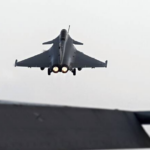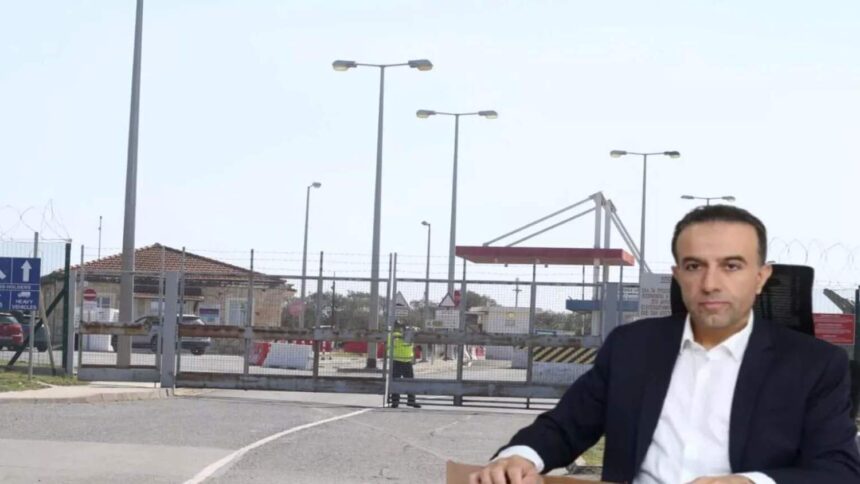
Cyprus must address security risks stemming from the British bases following the drone strike on RAF Akrotiri, an academic has warned. Giorgos Kentas, an Associate Professor of International Politics and Governance at the University of Nicosia, emphasised that Cyprus has every right to seek answers regarding the presence of British military installations that could jeopardise the safety of its citizens.
Kentas expressed concern about the implications of the drone strike, which marks the first instance of such an intrusion since the bases were established. He pointed out that while the operations inside these bases are not Cyprus’s responsibility, the Republic must demand explanations for any actions that may threaten those living nearby.
“The presence of the bases cannot put Cyprus’s security in danger,” Kentas stated emphatically. His comments come in light of Britain’s historical military presence in Cyprus, which has previously faced threats during conflicts such as the Gulf War in 1991 and the Syrian conflict, when defensive measures were implemented to counter potential strikes.
British bases: Unprecedented Drone Threat
The recent drone attack has raised critical questions about security protocols at the British bases, particularly how a drone managed to traverse approximately 300 miles from Iran to Cyprus without detection. Kentas highlighted statements from the British foreign secretary suggesting an awareness of the bases being potential targets, raising concerns about the adequacy of measures taken to protect the area.
“What steps were implemented to mitigate this threat?” Kentas questioned. “Was Cyprus informed about the risks involved?” His inquiries reflect a growing unease regarding the lack of transparency surrounding the operations of the British military in Cyprus.
Colonial Legacy and Diplomatic Responsibility
Kentas also noted the colonial legacy embedded in the existence of these military bases, which were established under the Treaty of Establishment. He argued that strong diplomatic representations are necessary to ensure that the operations of the British bases do not destabilise or endanger the Republic of Cyprus.
“The British are in Cyprus by imposition,” he remarked. “Their presence must not endanger the safety of the country’s residents, nor its economy.” This sentiment underscores the need for Cyprus to assert its sovereignty and protect its citizens from external threats potentially linked to British military activities.
Legal Implications of the Attack
The drone strike has also brought to light a legal dimension concerning the 1960 Treaty of Guarantee, which obliges guarantor powers, including Turkey, to ensure the integrity of British sovereign base territory. While this provision was initially designed to manage internal challenges, it now carries significant weight amid real external threats faced by Cyprus.
Given the current geopolitical climate, there are concerns that Turkey may attempt to invoke this treaty to position itself as a relevant actor in ongoing discussions about security and sovereignty in Cyprus. Such developments could further complicate the already intricate relationship between Cyprus and its guarantor powers.