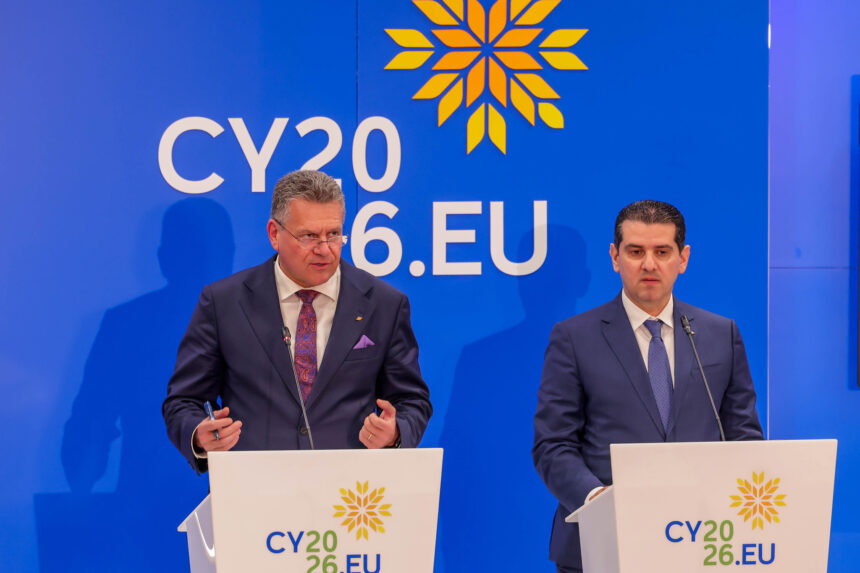
mercosur trade — The European Union’s economy has lost nearly €300 billion due to the lack of a ratified trade deal with the Mercosur bloc, according to European Trade Commissioner Maros Sefcovic. Speaking in Nicosia, Sefcovic expressed concern over the significant economic impact of the stalled agreement, which was initially projected to bolster the EU’s gross domestic product from 2021 onwards.
Mercosur trade: Projected Economic Gains Lost
During a joint press conference with Cypriot Trade Minister Michael Damianos, Sefcovic highlighted that the loss of almost €300 billion reflects not only potential GDP growth but also over €200 billion in missed export opportunities. He emphasised the urgency of finalising trade agreements, especially considering the current geopolitical landscape.
Delays Due to Legal Challenges
The European Parliament’s recent decision to refer the EU–Mercosur trade deal to the European Court of Justice (ECJ) has exacerbated the delays. Sefcovic noted that the court may not deliver a ruling until 2028, a timeline he described as untenable for the EU’s trading ambitions.
Need for a Streamlined Approval Process
In light of these challenges, Sefcovic urged for a more efficient approval process for trade deals, suggesting that the time frame should be reduced to about a year after negotiations conclude. He stated, “I do not think we can operate in this environment with this timetable,” underscoring the need for agility in trade relations.
Benefits for Cyprus
Cypriot Trade Minister Damianos supported the trade deal, citing substantial benefits for Cyprus, particularly in trade and services. He pointed out that the deal would enhance the security of supply for critical raw materials, as a significant portion of Cyprus’ soybeans is imported from Argentina, along with coffee and fruit juices from Brazil. Damianos noted that by reducing or eliminating tariffs, the agreement would lead to greater price stability for Cypriot farmers and consumers alike.
Export Opportunities for Cypriot Products
Furthermore, the trade deal is expected to open new avenues for Cypriot exports by abolishing tariffs on products sent from the island to South America. This prospect has been met with enthusiasm from local producers who see the potential for increased market access.
Political Divisions on the Deal
Despite the support from Damianos and the Cypriot government, the political landscape remains divided. Four of Cyprus’ six Members of the European Parliament (MEPs) voted to send the deal to court, raising concerns about its compatibility with existing EU law. This division reflects a broader uncertainty surrounding the deal, as the European Parliament voted narrowly by 334 to 324 in favour of the legal referral.
Impact of Delayed Ratification
The delay in ratification has significant implications for the EU’s diversification strategy and its ability to remain a reliable trading partner. After the parliamentary vote, a spokesperson for the European Commission expressed strong regret, stating that the decision comes at a time when EU producers urgently need access to new markets.
Legal Path Forward
Under current EU law, there exists a provision for provisional implementation of the agreement without parliamentary ratification. However, such a move could create friction between EU institutions, especially given the recent vote that indicated significant opposition to proceeding without legal clarity.
A Call for Action
As the EU grapples with the repercussions of this trade deal impasse, the call for action is clear. The bloc must navigate the complexities of international trade while addressing internal divisions and legal uncertainties. The future of the EU economy may very well hinge on its ability to expedite such agreements and adapt to the evolving global trade landscape.