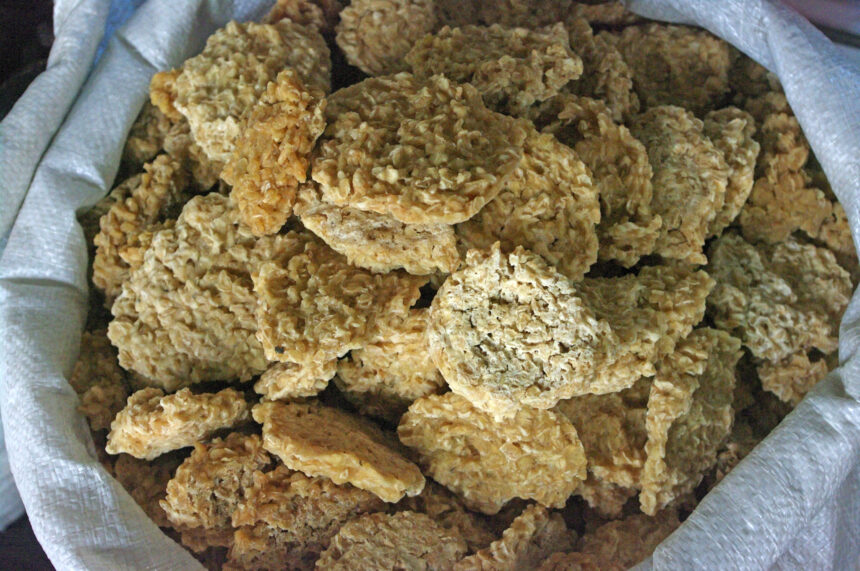
Tarhana is a time-honoured food that captivates with its unique blend of grains and fermented milk, celebrated across various cuisines in Central Asia, Southeast Europe, and the Middle East. This versatile ingredient transforms from coarse, dry crumbs into a hearty soup, making it a staple in many households.
Understanding the Preparation of Tarhana
The preparation of tarhana follows a traditional method that has been passed down through generations. The process begins with the mixing of flour and yoghurt or sour milk, often enhanced with the addition of cooked vegetables, salt, groats, and a variety of spices, with tarhana herb being particularly notable. This mixture is then allowed to ferment, which is crucial as it develops the distinct sour flavour that characterises the dish.
After fermentation, the mixture is dried, reducing its moisture content to a mere 6-10 per cent. This drying process is vital, creating an environment that inhibits the growth of pathogens and spoilage organisms, thus ensuring the longevity of the milk proteins within the tarhana. Once dried, it is typically ground and sieved into fine crumbs or left in larger pieces, ready for cooking.
Regional Variations of Tarhana
What makes tarhana particularly fascinating is its ability to adapt to local culinary practices and preferences. In Armenia, for instance, tarkhana is made with matzoon and eggs combined with wheat flour and starch, forming small pieces ideal for soups. Meanwhile, Greek trahanas features cracked wheat or a couscous-like paste mixed with fermented milk, showcasing the diverse textures found across regional interpretations.
Turkish tarhana takes a step further by incorporating various vegetables into the cracked wheat or flour and yoghurt mixture before fermentation, adding depth and flavour. In Cyprus, trahanas is held in high esteem, often served with halloumi cheese, especially during communal gatherings and festive occasions. This adaptability highlights how tarhana has woven itself into the fabric of local cuisines.
A Historical Perspective on Tarhana
The origins of tarhana trace back to the ancient Eastern Mediterranean, with strong ties suggested to Persia and the culinary practices of Greek and Roman soldiers. Historical texts and archaeological findings lend credence to its long-standing presence in the region. Notably, the dish is mentioned in Persian sources from the 11th century, while the earliest physical evidence has been discovered in northern Greece, linking it to prehistoric fermented grain and dairy mixtures.
As trade flourished and nomadic Turkish groups moved across regions, tarhana spread, enriched by Arab influences such as the preparation of kishk. This evolution of tarhana not only reflects the movement of people but also the sharing of culinary traditions that have shaped its current forms.
Tarhana in Cypriot Culture
In Cyprus, trahanas has become a cherished part of local life, deeply ingrained during periods of Byzantine, Venetian, and Ottoman rule. Historical records indicate that during the Venetian occupation, monasteries faced stringent grain quotas. A notable instance is the 1553 petition by Kykkos Monastery, which sought permission from Venetian authorities to allocate wheat for producing trahanas instead of bread. This request underscores the significance of trahanas as a fermented staple, valued for its nutritional completeness and versatility in various culinary contexts.
The production of trahanas was not just a practical choice but also a cultural one. It served as a portable food source, making it ideal for long winters and periods of isolation, especially during fasting times. Today, trahanas soup remains a popular choice in Cyprus, enjoyed throughout the year. It is particularly favoured in winter, often serving as a light meal or a restorative dish for those recovering from illness. The communal aspect of sharing trahanas during celebrations, such as Holy Saturday night, further solidifies its role in bringing people together.
Health Benefits of Tarhana
Beyond its cultural significance, tarhana also offers a range of health benefits. The fermentation process not only enhances its flavour but also increases its nutritional value. The presence of probiotics from the fermented milk contributes to gut health, while the high protein content from the milk and grains makes it a satisfying meal option. Furthermore, the low moisture content allows it to be stored for extended periods, making it a practical choice for those looking to maintain a healthy diet without frequent grocery trips.
When prepared as a soup, tarhana can be customised with various ingredients, allowing individuals to tailor it to their dietary preferences. Whether enjoyed simply with water or stock, or enriched with vegetables and meats, tarhana remains a versatile dish that can fit into a myriad of culinary contexts.
Embracing the Legacy of Tarhana
As food cultures continue to evolve, the legacy of tarhana serves as a reminder of the rich histories embedded within our culinary practices. It stands not just as a dish but as a symbol of resilience and adaptability, reflecting centuries of tradition and communal living. For those interested in exploring global cuisines, tarhana offers a delightful glimpse into the past while remaining a relevant and nourishing option for modern meals.