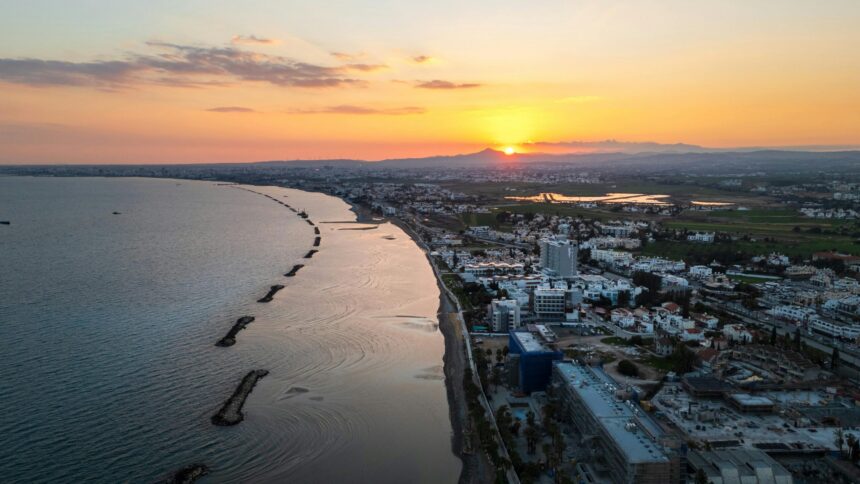
Cyprus is taking decisive steps to combat marine pollution with the establishment of a new unit dedicated to cleaning up Limassol bay. This initiative comes in response to years of ineffective oversight that have left authorities struggling to address deteriorating water quality.
Marine pollution: New Unit Set for 2026 Launch
In early 2026, the Pollution Response Supervision and Coordination Unit (PRSCU) will be launched by the Deputy Ministry of Shipping. This new executive body will possess the authority to coordinate marine pollution efforts across the island, marking a significant shift in how Cyprus manages its aquatic environments.
Government Commitment to Water Quality
The move follows a pledge by President Nikos Christodoulides to tackle the increasing pollution issues in Limassol, where concerns have been mounting due to visible environmental degradation. The PRSCU aims to address these pressing problems head-on.
Leadership with Experience
Theodoulos Mesimeris, a seasoned environmental regulator with 22 years of experience, will oversee the new unit. His appointment is seen as a critical asset in enhancing institutional knowledge within the shipping ministry, especially as it evolves to take on greater responsibilities in pollution control.
Addressing Wastewater Discharge
Recent disclosures have highlighted the extent of the problem: 30 organisations are currently permitted to discharge wastewater into the sea through drainage systems. This includes high-rise buildings that utilise these pipelines to mitigate flooding issues, raising concerns about the effectiveness of current regulations.
Self-Monitoring Concerns
In a candid acknowledgment of existing gaps, the Department of Environment revealed that many operators have been allowed to self-monitor pollution, reporting incidents only after they occur. This system has proven ineffective, prompting the need for a more robust enforcement strategy.
Building a Comprehensive Framework
Cyprus is in a transitional phase regarding pollution control, with various state bodies still developing their operational capabilities. The recent establishment of the Environmental Inspections and Controls unit, alongside the forthcoming PRSCU, reflects a broader effort to enhance response strategies across land, sea, and air pollution sectors.
Technological Innovations in Pollution Control
The Shipping Ministry has outlined ambitious plans for the PRSCU, which include the collection and analysis of pollution data, digital monitoring tools, and the introduction of performance indicators to evaluate effectiveness. A €100,000 tender for scientific support services has also been issued to aid these efforts.
Challenges Ahead
Despite advancements, challenges remain. During discussions in Parliament, the ministry highlighted the need for a grace period until 2027 for fully implementing technological tools at sea, such as drones for monitoring leisure vessels. Bureaucratic hurdles have slowed progress, particularly in obtaining necessary approvals.
Land-Based Monitoring Developments
On land, the Department of Environment’s inspections unit has begun using drones, GPS, and satellite imagery to enhance oversight of pollution sources. However, with just 12 inspectors currently employed, the unit is not adequately staffed to meet the demands of effective monitoring.
Future of Marine Conservation
The PRSCU is expected to become operational alongside a digital platform being developed through the European EMMERA project, set to deliver in early 2026. This platform will centralise pollution incident registration and enable trend analysis, enhancing decision-making processes.