Concerns about safety are mounting as police remain in the dark about a new system designed to protect vulnerable individuals in nightlife settings. Holidaymakers and locals alike stroll through the festive streets, their surroundings bathed in the warm glow of fairy lights and the delightful aroma of roasted chestnuts. Yet beneath this cheerful facade lies an unsettling reality for those who feel unsafe.

Photo: cyprus-mail.com
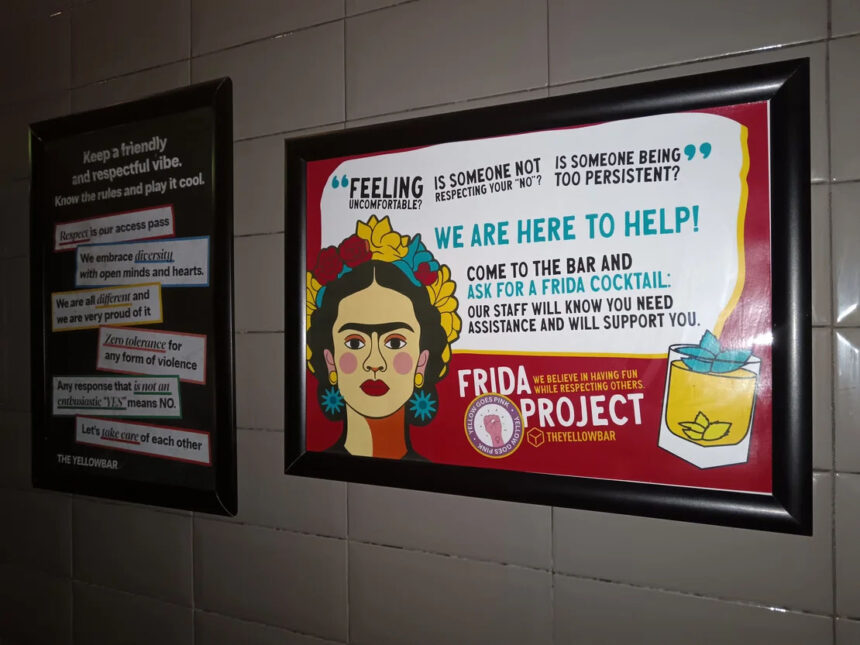
One evening in a Roman bar, a simple poster caught my attention, detailing a discreet safety scheme that allows patrons to signal for help without alarm. The phrase “Frida cocktail” serves as a quiet call for assistance, aimed primarily at women and other vulnerable groups. Upon inquiring, the bar staff explained how the system works, highlighting the importance of confidentiality and calm intervention.
This system, originating in the UK as “Ask for Angela”, has spread across Europe and beyond, yet Cyprus has lagged in implementing similar safety measures. Since joining the European Union in 2004, Cyprus has marketed itself as a safe and welcoming destination, yet it has failed to adopt comprehensive nightlife safety initiatives, leaving tourists exposed to risks in bustling bars and clubs.
Feedback from police officials revealed a concerning lack of established frameworks for responding to safety signals in nightlife settings. The deputy tourism minister acknowledged the need for such initiatives and expressed a willingness to consult, but the absence of actionable plans remains evident. Industry responses have varied, with some bars introducing their own systems while others depend on the intuition of staff to handle potentially dangerous situations.
Women who frequent these nightlife venues often find themselves navigating a precarious situation. The fear of escalating confrontations can make the act of requesting help daunting. Many have opted for the safety of ordering a coded drink, hoping staff will recognise their need for assistance. However, the absence of a standard protocol raises significant concerns about who is responsible for intervening and alerting authorities.
One young woman recounted her experience of leaving a crowded bar, heart racing, as she ordered a “Frida cocktail”. While staff noticed her signal and responded, the question remained: who would call the police if the situation escalated? The chilling nature of this uncertainty underscores the need for clear accountability in moments of crisis.
As summer nights filled with tourists unfold, Cyprus has begun to acknowledge the gaps in its safety measures. However, the delay in adopting a cohesive approach to nightlife safety raises pressing questions. With a reputation built on safety and hospitality, Cyprus must now confront the reality of its fragmented systems.
The narrative of safety in Cyprus is not defined by a singular incident but rather by the pervasive absence of a well-coordinated response to potential threats. While individual bars may have good intentions, relying on goodwill alone is insufficient when lives are at stake.
As the year draws to a close, the need for a comprehensive safety framework becomes increasingly urgent. Reporting on these issues can spur necessary changes, prompting inquiries into police training, ministry responsiveness, and the overall accountability of nightlife establishments. The stakes are high, and the cost of inaction is felt in the hesitations of those who seek help but are unsure if anyone is listening.