
anti-flood measures — The anti-flood measures put in place at 21 locations in the mountainous regions of Limassol have successfully held up against recent seasonal rains, according to Agriculture Minister Maria Panayiotou. During a visit to the affected areas, she confirmed that the projects, which were completed by November, are functioning as intended.
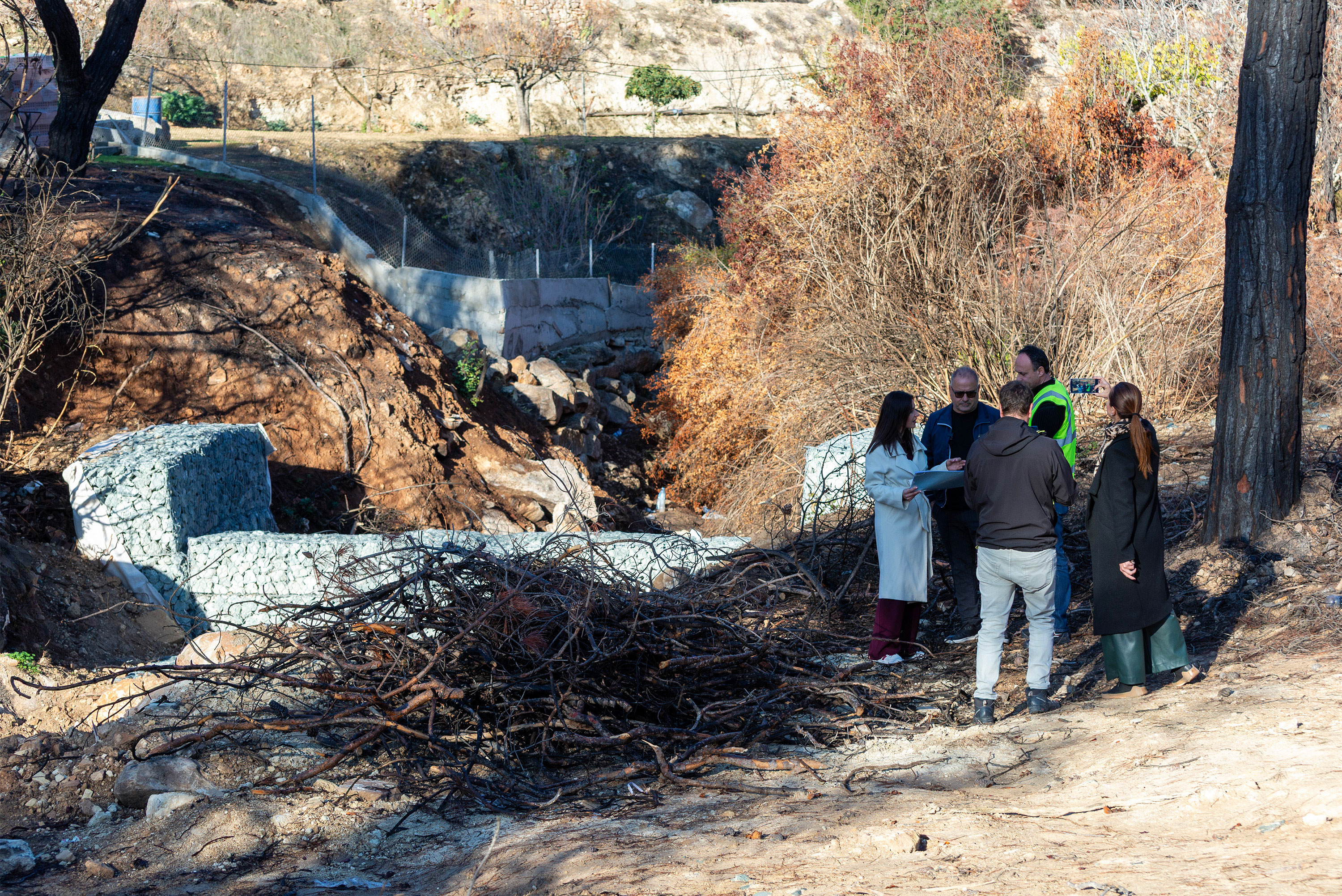
Photo: cyprus-mail.com
Anti-flood measures: Timely Completion of Flood Defence Projects
Minister Panayiotou expressed satisfaction with the swift identification and installation of gabions along a 120-kilometre stretch, particularly in Souni-Zanakia. This effort was crucial in mitigating potential flood risks following the devastating wildfire that occurred in July, which left a significant impact on the landscape and local communities.
Collaboration and Community Support
The minister’s inspection included officials from various departments and the agriculture ministry’s permanent secretary, Andreas Gregoriou. Panayiotou reassured residents that the water development department is pleased with the performance of the flood defences, stating, “At the moment we are completing the inspection of these points, because we want to be sure that they are serving their purpose.” She acknowledged that while rain levels have not been significant yet, the measures were timely to safeguard against potential weather events.
Financial Commitment and Future Interventions
Five contractors and around 50 workers were involved in the flood prevention works, which cost approximately €500,000. Local authorities played a vital role in this collaborative effort. If further interventions are deemed necessary, the Ministry of Agriculture is prepared to act. Panayiotou stated, “The information I have received from the water development department is that they are totally satisfied with the way they worked and that currently no further interventions are necessary, but we are here to make sure that this will continue over the coming days.”
Addressing Water Supply Challenges
While inspecting the flood measures, Panayiotou also addressed the limited inflows into reservoirs. Her ministry is focusing on three key strategies to enhance water supply: utilising conventional water sources, expanding desalination efforts, and upgrading the water network through projects worth €200 million. She emphasised the importance of water conservation, urging citizens to be mindful of their consumption habits.
Supporting Affected Farmers
The impact of the wildfire, which claimed two lives and devastated numerous homes and businesses, is still being felt by local farmers. The ministry has made immediate payments to approximately 1,400 eligible farmers, amounting to around €3.3 million in compensation for lost income over the past year. As part of their recovery efforts, farmers are receiving prepayments to assist them in restarting their businesses, with further compensation depending on their progress.
Community Resilience and Recovery
Souni-Zanakia community leader Nikos Vikis noted the positive effects of the flood defence works, stating that residents affected by the fire are receiving financial support and are actively rebuilding their homes. Local authorities have also initiated the removal of burned trees from private properties, further aiding the recovery process. The community’s resilience is evident as they work together to restore their livelihoods in the wake of the disaster.