The joy of buying secondhand has flourished into a vibrant movement, reflecting a deep-rooted shift in how we perceive style and sustainability. Once relegated to thrift bins or limited selections, secondhand fashion has emerged as a staple in Cyprus, resonating with those who value unique pieces and environmental consciousness.
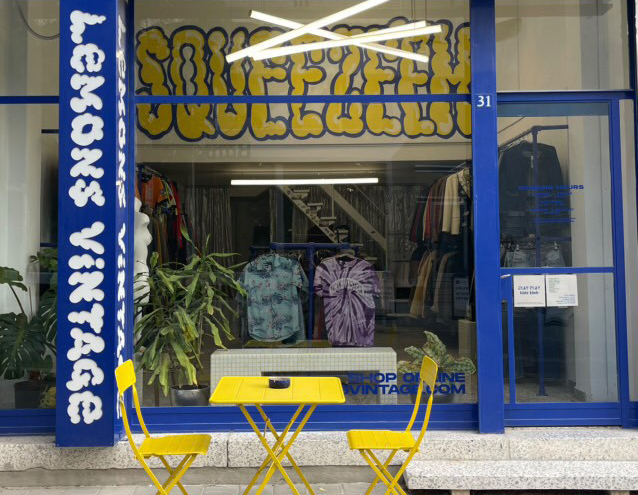
Photo: cyprus-mail.com
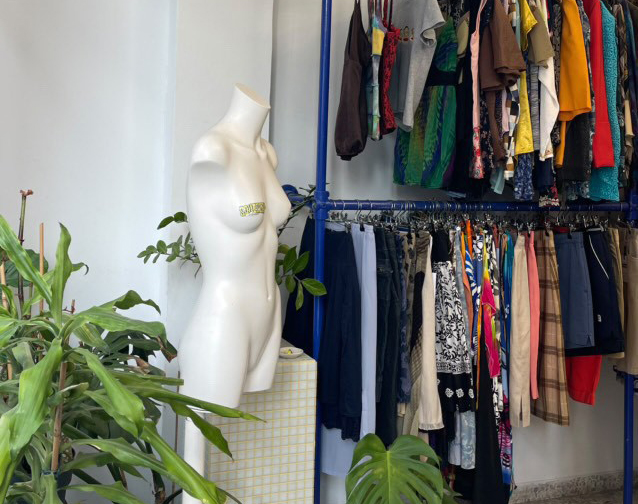
At the forefront of this trend is Irene Charilaou, who founded Lemons Vintage in Nicosia. Her journey into the world of secondhand fashion began during her travels. “I was always searching for and buying secondhand and vintage pieces,” she recalls, highlighting the thrill of finding something distinct. Upon returning to Cyprus, she felt the market was lacking in options and decided to take matters into her own hands. What started as an Instagram account in 2021 blossomed into a physical store by 2023, inviting others to explore the charm of preloved fashion.
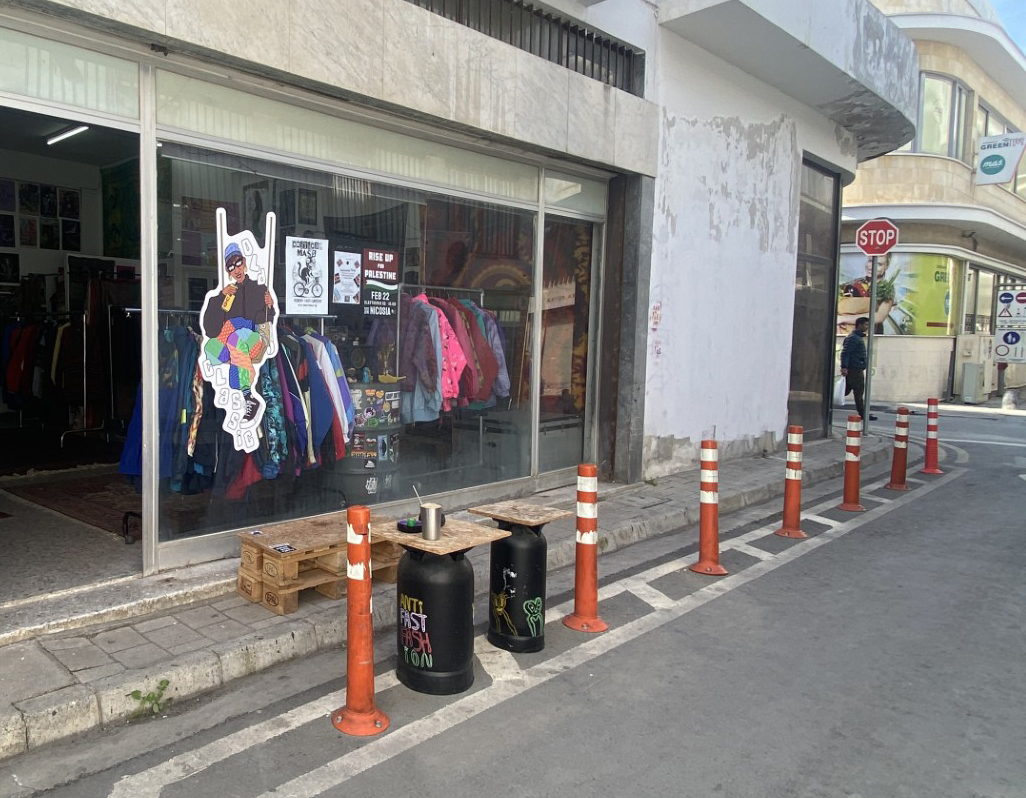
Photo: cyprus-mail.com
Charilaou doesn’t merely see her shop as a retail space; it’s a community hub for those who appreciate unique fashion and care for the planet. The stigma surrounding secondhand clothing has all but disappeared, especially among younger shoppers eager to express their individuality while making mindful choices. “The interest is not as much about the price as it is about finding clothing with personality,” she asserts.
Echoing this sentiment is Anastasia Fierou, who runs the Old Classic Thrift Shop. She observes a noticeable shift in consumer behaviour, with many now opting for secondhand as their first choice rather than a last resort. “The taboo around secondhand has faded,” she states, noting that ethical considerations and a desire to combat overconsumption are driving this change.
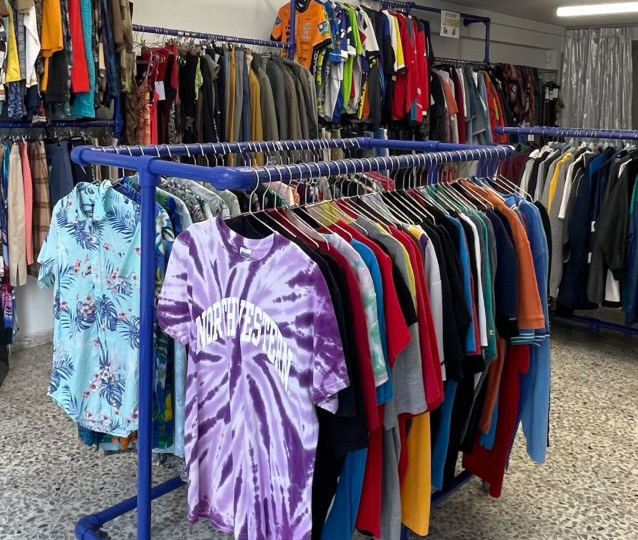
Photo: cyprus-mail.com
For many shoppers, secondhand items carry a sense of history and narrative. Charilaou shares, “Sometimes we even find little surprises inside, like old train tickets or forgotten coins. It’s amazing to imagine the stories behind them.” This connection to the past transforms a mere item into a treasure trove of memories. Fierou recounts purchasing a leather jacket from a woman in her 70s, who shared its significance in her life. Such stories enrich the shopping experience, making each piece more than just clothing.
Secondhand fashion has also fostered unexpected communities. Regular patrons often gather not just to shop but to engage in conversations about life. Fierou mentions that some customers drop by simply to chat over a cigarette or a beer, creating a social atmosphere that transcends traditional retail.
In Larnaca, Nicole Weber is preparing to launch the Sustainable Second-Hand Store Cyprus, a concept designed to fill gaps in the local market. Her vision extends beyond retail; she aims to create a space for workshops, upcycling sessions, and community events. By choosing to crowdfund the project, Weber is not just seeking financial support but also building a community around shared values. “Cyprus is changing,” she notes, emphasising the growing awareness of sustainability, particularly among younger generations.
Community events like the Sustainable Bazaar, organised by Maria Georgiou of Ariam Sustainable Fashion, further demonstrate the rising interest in secondhand culture. Georgiou’s goal is to make sustainability feel exciting and accessible rather than daunting. The bazaar serves as a platform for secondhand sellers and local designers to showcase their work, nurturing a culture of conscious consumption.
As the secondhand fashion scene in Cyprus continues to evolve, it reflects a broader shift towards sustainability and ethical choices. With each piece of clothing comes a story, a chance to embrace individuality while contributing to a more responsible future.