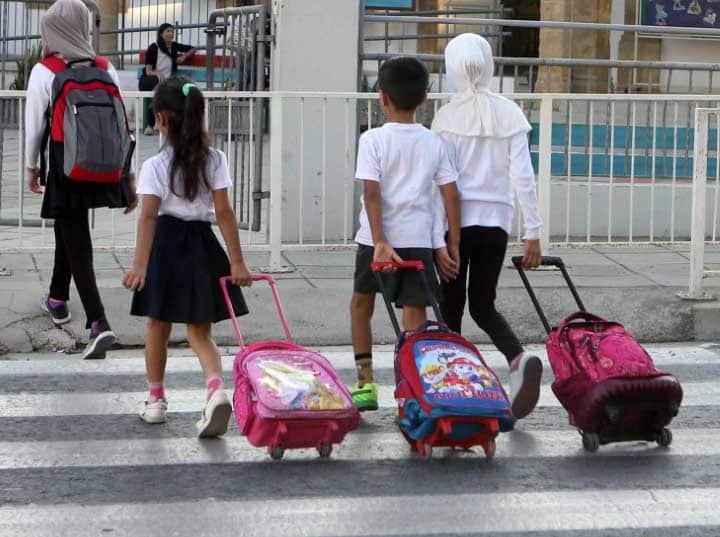
teachers strike — teachers strike — The planned teachers’ strike has left the parents’ association feeling indignant as they rally for their children’s right to uninterrupted education. The primary school teachers’ trade union Poed announced a strike scheduled for December 18, protesting the government’s proposed reforms to teacher evaluations.
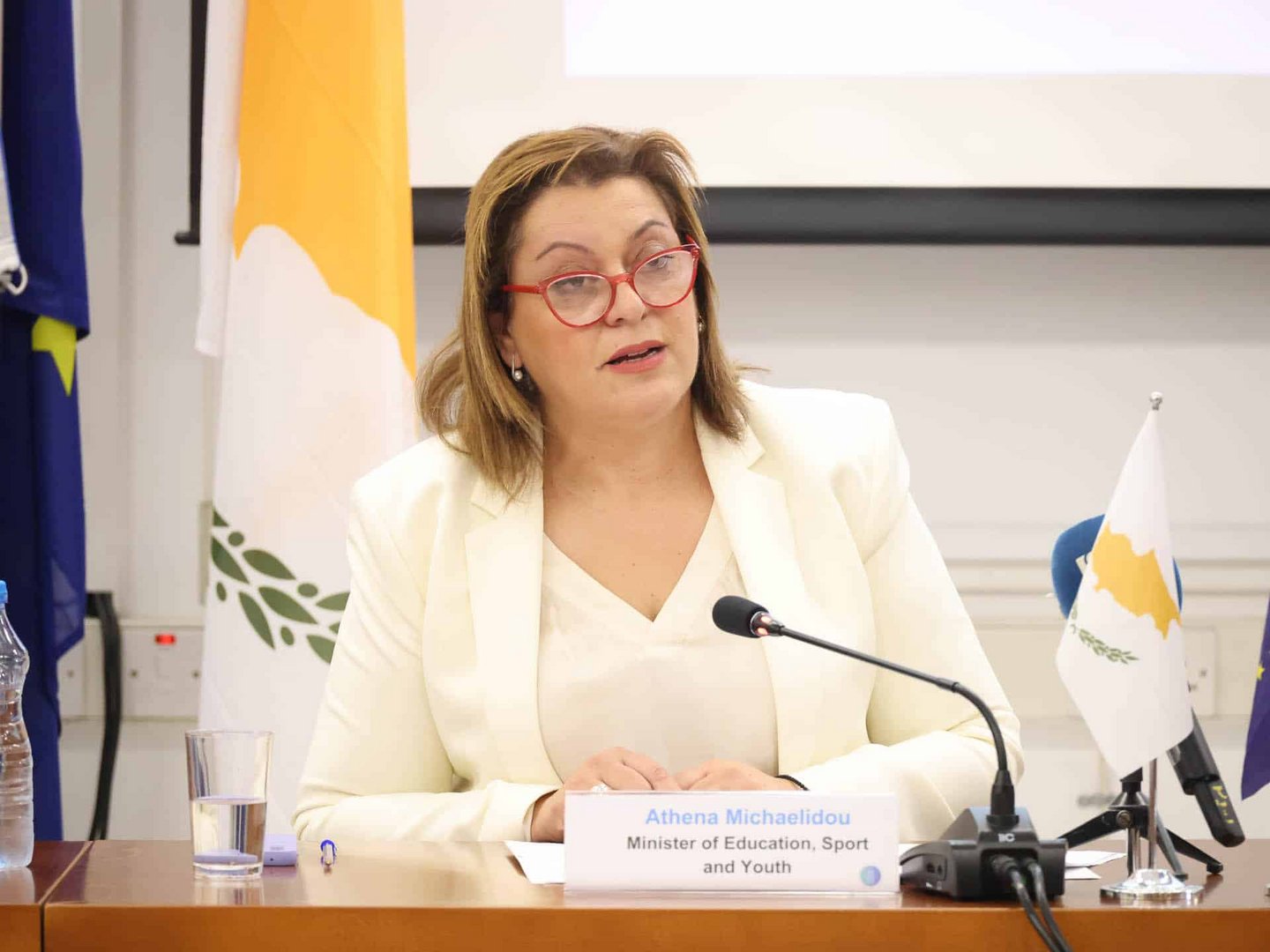
Photo: cyprus-mail.com
In a strong statement, the parents’ association expressed its deep frustration over the situation, calling for an immediate meeting with Education Minister Athena Michaelidou. They demanded clarity on the government’s decisions regarding the strike and the overall impact on children’s education.
“We absolutely respect the constitutional right of teachers to strike, which we have supported in the past,” the association stated. “However, we equally respect our children’s right to an education and parents’ right to a normal life. Any attempt to reverse these rights will be met with opposition from parents, pupils, and society at large.”
The association voiced concerns that children and pupils should not be used as pawns in labour disputes, emphasising that the educational process should not be leveraged as a bargaining chip. They highlighted the timing of the strike, pointing out that public consultations on the teacher evaluation reforms had already been completed and that parliamentary discussions were nearing conclusion.
Despite amendments made to the bill to accommodate various viewpoints, Poed remains steadfast in its decision to strike, igniting fears among parents regarding the stability of the educational process. “This stance not only causes reasonable concern among parents but also undermines the stability which the educational process requires,” the association remarked.
The parents’ association urged Poed to reconsider its position, calling for the union to embrace the government’s reform plan and end the “unjustified suffering of children and families.” They reiterated that the educational process should not be used as leverage in negotiations, calling for a collaborative approach to improve education.
Poed has been vocal about its dissatisfaction with the proposed reforms, particularly regarding the involvement of headteachers in teacher evaluations—a point of contention that has led to their planned strike. The union has expressed that the government’s bill contains “disagreements, ambiguities, and gaps,” which they find unacceptable.
Education Minister Athena Michaelidou, who has been at the forefront of these discussions, acknowledged the legitimacy of differing opinions but stressed the importance of overcoming these disagreements for the benefit of both children and teachers. “We cannot work, create in our schools, strive for good results while working with regulations from the 1970s,” she stated, highlighting the necessity for modernisation in the educational framework.
When asked about potential backlash from teachers concerning the reforms, Michaelidou expressed her concerns not about the disagreements themselves, but about the demand for all demands to be met, which she believes obstructs the democratic process. “Disagreements have been limited to a minimum with the exception of one or two issues,” she noted, questioning the basis for the ongoing tension in education.
Earlier in the year, government spokesman Konstantinos Letymbiotis outlined the reform plan, which aims to introduce a scientifically backed, multi-layered evaluation model, replacing outdated single-person assessments with collective evaluations that include school heads and inspectors. This new approach is designed to enhance teacher performance and foster professional development rather than serve as a punitive measure.
As the December 18 strike approaches, the parents’ association remains steadfast in its demand for a resolution that prioritises the welfare of children and the educational system, urging all parties involved to work collaboratively towards a solution that benefits everyone.