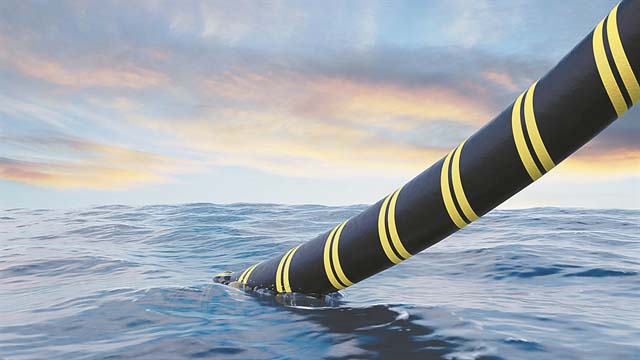
great sea — The Great Sea Interconnector, or GSI, establishes Cyprus as a vital energy link between Greece and Europe. This ambitious project is a part of the European Commission’s recent initiative aimed at enhancing the continent’s energy infrastructure.
Great sea: Connecting Cyprus to the European Grid
As the last EU Member State not yet connected to the European electricity grid, Cyprus has long been isolated in terms of energy supply. The GSI, which will link the island with continental Europe via Greece, represents a critical step towards improving the energy security of Cyprus and the broader Eastern Mediterranean region.
A Milestone for Renewable Energy Integration
The European Commission highlighted that this interconnection will also support the integration of renewable energy sources into Cyprus’s energy system. By facilitating the flow of clean energy, the GSI aligns with the EU’s broader strategy for climate neutrality by 2025.
Technical Specifications of the Project
The cable will stretch nearly 900 kilometres, making it the longest underwater power cable in the world. This ambitious engineering feat will not only enhance energy security but also improve energy prices across member states by fostering better connectivity.
Funding and Support from the EU
The GSI project has already received significant backing from the Connecting Europe Facility (CEF), which includes €2.3 million allocated for feasibility studies and €658 million earmarked for construction between Greece and Cyprus. This financial support underscores the EU’s commitment to strengthening interconnections within its energy infrastructure.
Expedited Processes for Energy Infrastructure
The European Commission’s plan also aims to streamline permitting procedures for energy infrastructure projects, a move intended to alleviate bureaucratic delays that have plagued similar initiatives. By simplifying these processes, the Commission hopes to accelerate the development of critical energy links like the GSI.
Enhancing Security and Resilience
In addition to improving connectivity, the GSI project includes measures to protect energy infrastructure from potential threats. This encompasses both physical and cyber risks, alongside addressing climate-related vulnerabilities, ultimately contributing to a more resilient energy landscape in Europe.
Future Prospects for Energy Independence
The GSI is not just a conduit for electricity; it represents a strategic advancement towards energy independence for Cyprus and the EU as a whole. By achieving the 15 per cent interconnection target among member states by 2030, the project aims to enhance energy security and reduce dependency on external energy supplies.