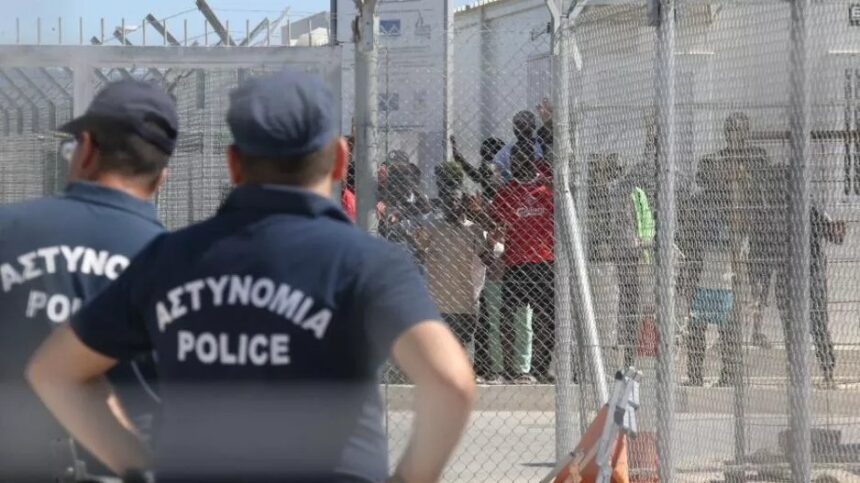
xenophobic — Cyprus ranks among the 10 most xenophobic countries in Europe, according to the latest findings from the European Social Survey (ESS). The survey, conducted by the University of Cyprus Field Research Centre (PAKEPE) in collaboration with the Cyprus University of Technology (TEPAK), highlights a troubling trend in the island’s attitudes towards diversity.
Xenophobic: Worsening Attitudes in Recent Years
The recent ESS data, which is part of Round 12 set for 2025/2026, indicates that Cyprus has seen a deterioration in xenophobia levels since Round 11. Out of 31 countries surveyed, this positioning reflects a significant concern for researchers and policymakers alike.
Declining Trust in Institutions
Alongside rising xenophobia, the survey also reveals a systematic decline in public trust towards institutions in Cyprus since 2006. Politicians and political parties appear to be facing an unprecedented crisis of confidence, although a slight recovery has been noted recently, potentially linked to the emergence of new political formations.
Comparative Trust Levels
In contrast to domestic political entities, external institutions like the European Parliament and the United Nations enjoy considerably higher trust levels among Cypriots. This difference underscores a broader dissatisfaction with local governance and the effectiveness of democratic processes.
A Disconnect Between Values and Reality
The data illustrates a troubling gap between the high value citizens place on democratic principles and their low satisfaction with the functioning of democracy in Cyprus. This disconnection raises questions about the effectiveness of political representation and the actual implementation of democratic ideals within the country.
Focus of the Survey
The ESS survey encompasses a variety of topics relevant to life in Cyprus and Europe. It addresses perceptions of democracy, trust in institutions, attitudes towards the European Union, migration, employment, and political behaviour. Special attention is given to issues unique to Cyprus, such as the ongoing Cyprus problem and inter-communal relations.
Importance of Participation
Data collection for the new round began on 10 November 2025, with invitation letters dispatched to a randomly selected number of households. This methodology, which invites the individual with the next birthday in each household to participate, is designed to enhance the randomness and reliability of the sample.
Researchers have stressed that the success of the survey hinges on the active participation of households receiving these invitations. The outcomes will provide valuable insights into the evolving social landscape of Cyprus and highlight critical indicators over time.