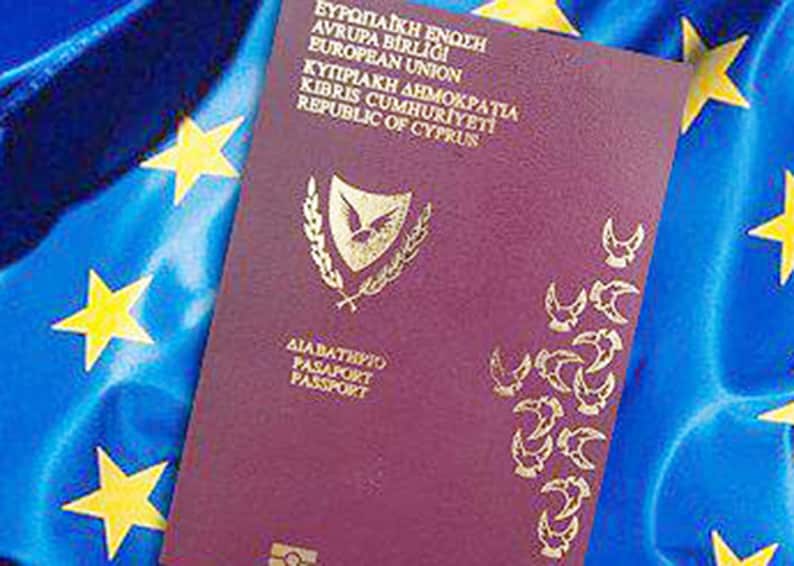
The cabinet has lost its power to grant citizenship to foreign investors under a new law passed on Thursday, marking the end of the controversial citizenship-by-investment programme, commonly referred to as ‘golden passports’.
This significant legislative change occurred during the final regular session of the House plenary for the year, which saw a flurry of bills debated and voted on. The citizenship-by-investment scheme, which had been scrapped in November 2020 following an Al Jazeera investigation, has now been entirely dismantled, with the regulations allowing the cabinet to grant citizenship repealed.
As a result, the cabinet can no longer issue citizenship to foreign nationals or their families in exchange for investments in Cyprus. This includes the cessation of granting ‘honourary citizenship’ to individuals such as children of Greek nationals who died during the 1974 hostilities, or to foreign figures distinguished in the arts.
The move was largely motivated by the European Union’s infringement proceedings against Cyprus regarding the former citizenship programme. Akel MP Aristos Damianou noted on the House floor that this change was prompted by “coercion” from the EU, but he expressed concern that it overreached by stripping the government of its ability to confer honourary citizenships.
“Today, we are presiding over the memorial service for the golden passports,” Damianou remarked, reflecting on the fallout of the now-defunct scheme. He recalled that over the years, 7,329 individuals received a Cypriot passport through the programme, with 3,522 being investors who, in many cases, “never even showed up in Cyprus.” Despite some economic contributions, he claimed the programme had caused “irreparable damage” to the Republic.
In contrast, Disy deputy Nikos Sykas pointed to the earlier excesses of the Akel administration from 2008 to 2013 as a significant factor leading to the programme’s downfall. Independent MP Costis Efstathiou raised concerns about Cyprus losing its sovereign right to grant honourary citizenship, arguing that the EU should not impose such restrictions, especially given its own scandals.
In addition to this landmark legislation, the House approved a law concerning the adjustment of MOT inspection fees, which had not been revised since 2007. A proposed amendment to revise these fees every eight years was removed after President Nikos Christodoulides refused to sign the law in its original form, asserting that parliament overstepped its authority.
The session also included adjustments to the allocation of parliamentary seats based on changes in registered voter numbers, with Paphos gaining an additional seat and Nicosia losing one. Furthermore, parliament ratified an agreement with Lebanon delineating the exclusive economic zones of both nations, signed by President Christodoulides in November.