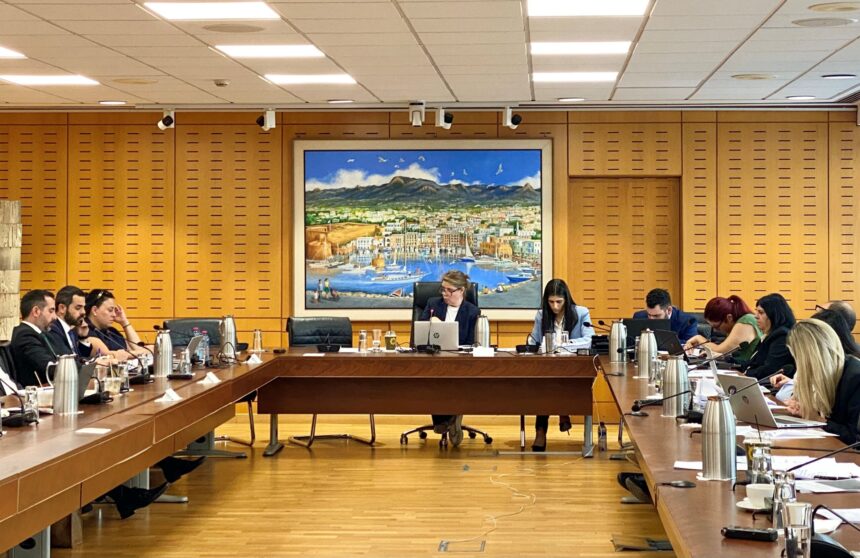
migrant integration — The government is prioritising migrant integration as it continues its policy of returning irregular migrants in 2026. Nicholas Ioannides, the deputy minister for migration, outlined the ministry’s budget during a presentation to the House finance committee on Monday.
Migrant integration: Increased Budget for Migration Initiatives
The proposed budget for 2026 amounts to €75.3 million, reflecting an increase of €20 million over the previous year. Of this budget, approximately 35 per cent is designated for development expenditures, which include improvements to infrastructures and digital systems.
Funding for Migrant Facilities
Among the allocations, over €17 million will be invested in upgrading facilities that host migrants. Additionally, €7.1 million is earmarked for services specifically aimed at unaccompanied minors.
Returns and EU Funding
The budget also includes €8 million dedicated to the costs associated with migrant returns. The government is set to receive an additional €20 million from European Union funds, including the Asylum, Migration and Integration Fund (AMIF) and the Border Management and Visa Instrument (BMVI).
Data on Migrant Returns
Ioannides provided updates on the returns of irregular migrants, revealing that as of October this year, a total of 10,628 individuals have been returned to their countries of origin. This figure is on track to surpass last year’s record of 10,944 returns.
Syrian Return Programme
The government has introduced the ‘Syrians Return Programme’, a voluntary initiative that offers financial assistance to Syrian families wishing to return to Syria. Under this scheme, the adult family member remaining in Cyprus receives a special work permit, allowing them to financially support their returning family members, who are offered a cash grant. To qualify, families must have arrived in Cyprus by December 31, 2024, and withdraw their asylum applications.
From December 2024 to October 2025, this programme has facilitated the departure of 4,007 Syrians from Cyprus.
Investment in Infrastructure
Significant investments are being made in migrant facilities to improve conditions and operations. The migrant facility at Pournara is being transformed from a first-reception centre into a classification and identification centre. Furthermore, plans are underway to expand the Kofinou facility to accommodate 750 beds, while a new complex in the Limnes area is scheduled for phased delivery throughout 2026.
Pending Applications for Protection Status
As of now, there are approximately 16,000 applications for international protection status awaiting processing.
Promoting Lawful Migration
In an effort to support lawful migration, the government has implemented the EU Blue Card initiative. This programme provides work and residence permits for highly skilled workers from non-EU countries, allowing them to live and work in 25 of the EU’s 27 member states, excluding Denmark and Ireland.
Integration Initiatives for Migrants
The government is also actively promoting various programmes aimed at integrating migrants more effectively into society. This includes initiatives focused on teaching the Greek language and enhancing labour market opportunities for migrants.
Statistics on Non-EU Nationals
During the session, Ioannides revealed that there are currently 175,677 non-EU nationals residing legally in Cyprus. The breakdown by nationality is as follows:
- 40,735 Russians
- 16,279 Brits
- 15,607 Nepalese
- 14,237 Indians
- 12,868 Syrians
- 9,407 Chinese
- 8,895 Sri Lankans
- 8,807 Filipinos
- 6,172 Ukrainians
- 4,860 Egyptians
- 37,810 citizens from other countries