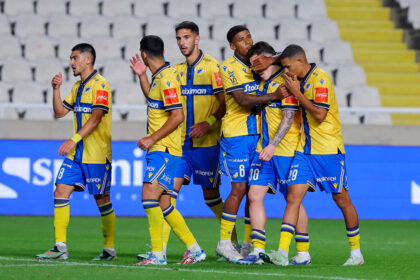
ΑΠΟΕΛ Ομόνοια — ΑΠΟΕΛ Ομόνοια — Η ιστορία των φιλάθλων ΑΠΟΕΛ και Ομόνοιας ξεκινά το 1953, με αμέτρητους αγώνες και έντονο πάθος που διαμόρφωσαν την κυπριακή ποδοσφαιρική σκηνή. Αυτό το ντέρμπι, που δεν είναι απλώς ένα παιχνίδι αλλά μια παράδοση, προσελκύει κάθε φορά το ενδιαφέρον των φιλάθλων, με το πάθος να παραμένει αμείωτο μέχρι σήμερα.

Φωτογραφία: goal.philenews.com
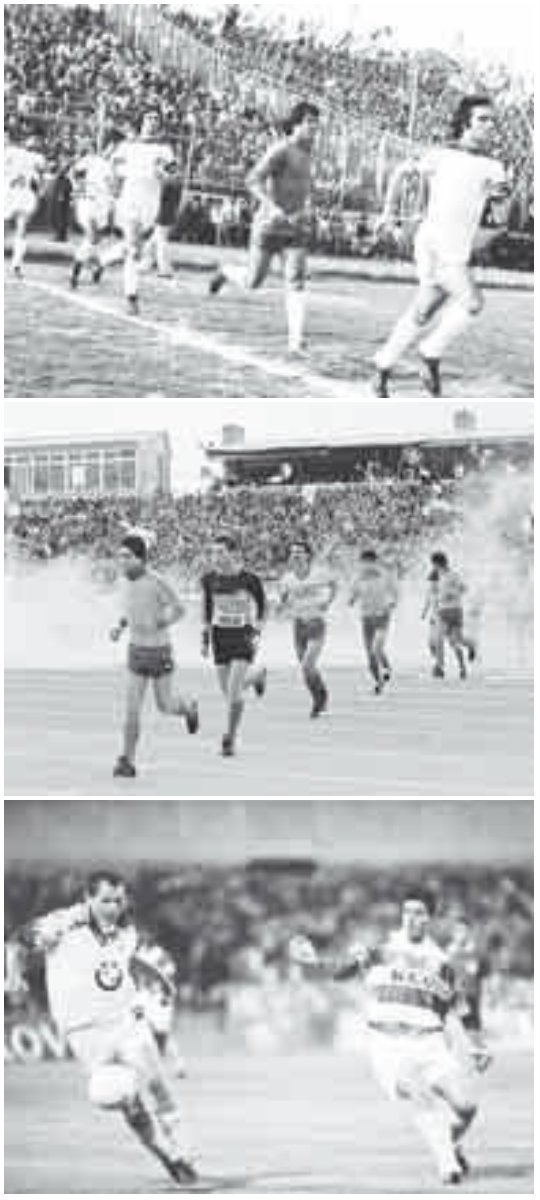
ΑΠΟΕΛ Ομόνοια: Αρχαίο ντέρμπι στο παλιό ΓΣΠ
The beginning was made in the 1953-54 season, when the two teams crossed swords at the old GSP. At that time, the arrangement of the fans was simple: the officials in the center, the Omonia fanatics on the left, and the APOEL supporters on the right. The atmosphere was full of enthusiasm and fanaticism, with the stands groaning from the voices and chants.
The transition to Makario
With the completion of the construction of Makario Stadium in 1978, the derby took on a new dimension. APOEL fans occupied a larger part of the central stand, while the hardcore fans of Omonoia continued to dominate the other side. The 1980s saw Omonoia supporters fill the stadium with green, with the stands being almost evenly divided.
Η αναγέννηση των οπαδών του ΑΠΟΕΛ
Η δεκαετία του ’90 σηματοδότησε μια αλλαγή στη δυναμική του ντέρμπι. Οι οπαδοί του ΑΠΟΕΛ επέστρεψαν δυναμικά, με την παρουσία τους να γίνεται πιο αισθητή και την ισορροπία στις κερκίδες να πλησιάζει το 50-50. Οι φωνές και τα πανό τους διαμόρφωσαν την ατμόσφαιρα και έδωσαν νέα πνοή στην αντιπαλότητα.
Νέο ΓΣΠ και σύγχρονη εποχή
Η ανέγερση του νέου ΓΣΠ τη δεκαετία του 2000 άλλαξε ριζικά το τοπίο. Οι προηγούμενες εποχές με τα τσιμέντα και τα συρματοπλέγματα αντικαταστάθηκαν από σύγχρονες εγκαταστάσεις. Το νέο γήπεδο προμήθευσε στους φιλάθλους περισσότερες ανέσεις, χωρίς όμως να αλλοιώσει την ένταση της αντιπαλότητας. Οι κερκίδες, πλέον, καλύπτονται από άνετα καθίσματα, αλλά η μαχητική ατμόσφαιρα παραμένει αναλλοίωτη.
Διαρθρωτικές αλλαγές και φιλοξενία
Με την πάροδο των χρόνων, η διάταξη των φιλάθλων στα γήπεδα υπήρξε αντικείμενο συνεχών αλλαγών. Στις αρχές της δεκαετίας του 2000, οι γηπεδούχοι άρχισαν να καταλαμβάνουν την κεντρική εξέδρα, ενώ οι φιλοξενούμενοι περιορίστηκαν στην ανατολική. Παρά τις αλλαγές, οι νότιοι και βόρειοι τομείς παρέμειναν ως οι μόνες σταθερές, προσφέροντας τη δυνατότητα στους φίλους των δύο ομάδων να ζουν την αντιπαλότητά τους από κοντά.
Η σημερινή κατάσταση και η δύναμη των φιλάθλων
Today, APOEL fans occupy three-quarters of the stands, with the north stand reserved exclusively for away supporters. This redistribution has added a new element to the rivalry, with fans trying to prove their superiority. The home ground has gained greater importance, with numbers clearly favoring the home team.
Important statistics and performance
Analyzing match statistics, we observe that ball possession, chances, and shots on goal are critical elements that determine the course of derbies. The latest games show a strong balance, with teams competing at around 50% possession, while the xG (expected goals) indicate the quality of chances they create.
It is clear that the APOEL – Omonia derby is not just a football match, but a living tradition continuing since 1953. With every encounter, this history is enriched, with fans remaining an integral part of it.