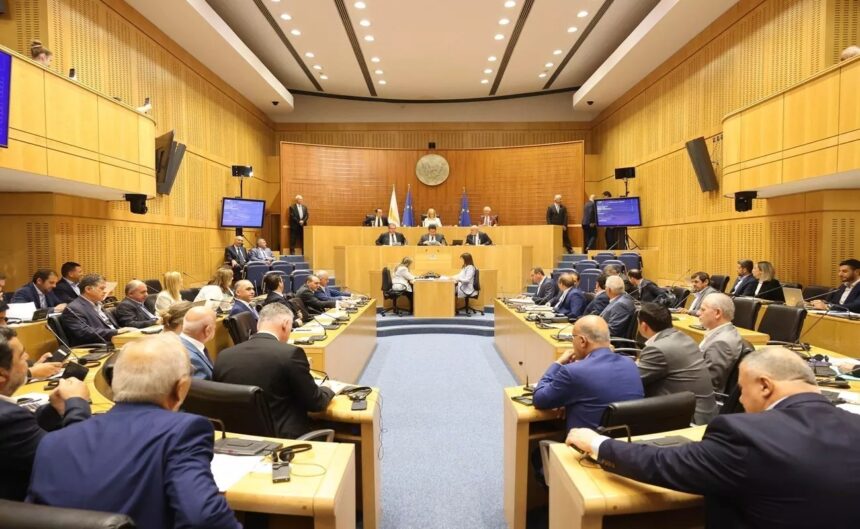
The government is set to introduce new legislation allowing election candidates to use their nicknames on ballots. This move aims to reduce confusion among voters, particularly in cases where multiple candidates share the same name.
The upcoming bill, expected to be presented to Parliament, will enable candidates to choose how they wish to be identified, whether by their nickname, surname, or any name they are publicly known by. This change marks a significant shift from past practices, where using a nickname on the ballot was an exception rather than a standard.
Nicknames: Aiming for Clarity in Elections
The intention behind this legislative change is to enhance clarity during elections. With many candidates sharing similar names, the introduction of nicknames seeks to help voters easily recognise their preferred candidates. This has been a long-standing issue in electoral processes, causing potential confusion at the polls.
Historical Context of Naming in Cyprus
The evolution of naming conventions in Cyprus plays a crucial role in understanding this new legislation. According to philologist Yiorgos Hadjikostis, the traditional naming practice in Cyprus often revolved around using first names, which over time led to repeated names across generations.
Hadjikostis, who has extensively studied Cypriot names and authored works on the subject, notes that the lack of unique surnames has resulted in common names such as Andreas P. Andreou and Giorgos Ch. Georgiou. This naming tradition, influenced by various historical factors including religion and social customs, has contributed to the need for clearer identification in electoral contexts.
Influences on Cypriot Surnames
Many surnames in Cyprus have roots in the island’s diverse history and cultural influences. Hadjikostis explains that while Italian and Turkish influences have shaped many surnames, other European languages, such as French and English, have also left their mark. The historical intermingling of cultures has resulted in a rich tapestry of names that reflect the island’s complex heritage.
Practical Implications for Voters
As the legislation moves forward, the practical implications for voters are significant. By allowing nicknames on the ballot, the government aims to create a more user-friendly voting experience. This change could encourage higher voter engagement, as individuals may feel more connected to candidates they recognise by name.
While the bill is still in the legislative process, it reflects a growing awareness of the need for electoral reforms that address the realities of naming conventions in Cyprus. If passed, this law could set a precedent for future elections, paving the way for more inclusive practices that resonate with the electorate.