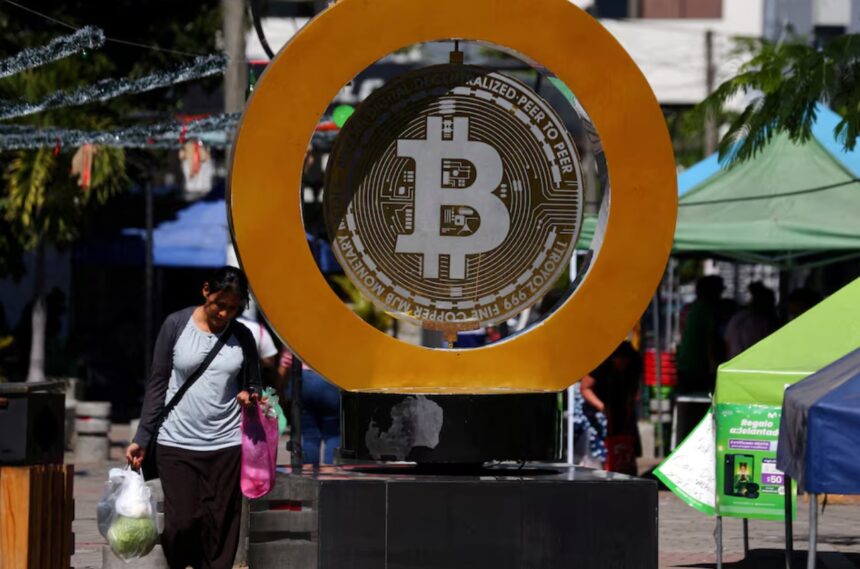
Bitcoin-buying firms are experiencing significant declines in their share prices as the fervour surrounding cryptocurrencies begins to wane. After a period of soaring interest driven by record highs in bitcoin’s value, these companies are now confronted with a harsh market reality.
- With the cryptocurrency market often characterised by rapid fluctuations, the enduring question remains: how will these firms adapt to maintain investor confidence and market relevance?
Declining Share Prices of Major Players
Among the most affected is Michael Taylor’s Strategy, a prominent player in the bitcoin accumulation space. The company’s share price plummeted from $457 in July down to $328 this week, marking the lowest point since April and reducing its yearly gains to a modest 13 per cent.
Similarly, Metaplanet, a Japanese firm that focuses on bitcoin treasury management, has seen its shares hit their lowest since May. The company’s stock has dropped over 60 per cent from its June peak, even though it remains up 105 per cent for the year.
Impact on Smaller Firms and Strategic Shifts
Smaller companies that have recently pivoted their strategies to incorporate bitcoin buying are also feeling the pressure. For instance, Smarter Web Company (SWC.ASE), a UK-based website development firm, saw its share price skyrocket following the announcement of its new bitcoin strategy. However, since June, its stock has fallen by an alarming 70 per cent.
Alt5 Sigma (ALTS.O), which has invested in tokens associated with Trump’s World Liberty Financial crypto venture, has similarly suffered, with its shares plunging by 63 per cent from their June highs.
Market Volatility and Investor Sentiment
The sharp reversals in share prices are not unexpected, according to Kaiko analyst Adam McCarthy, who described these companies as engaging in “volatility plays”. He elaborated that the leveraged exposure these firms have means that if bitcoin experiences a downturn of 3 per cent, their share prices could drop by four or five times that amount.
McCarthy noted that this volatility can take retail investors by surprise, leading to panic selling that compounds the downturn. “For retail users it’s a shock a lot of the time, so it probably compounds the downturn when some sell out of fear,” he explained.
Broader Trends in Cryptocurrency Accumulation
This trend of bitcoin-hoarding is not limited to bitcoin alone; other cryptocurrencies, including ether and lesser-known digital assets, are also being accumulated by various firms. The narrative surrounding these acquisitions often revolves around the potential for increased equity value rather than genuine investment in the crypto market itself.
McCarthy emphasised the disconnect between the actions of these firms and the perceptions of retail investors. “Until retail users realise that these firms aren’t buying into crypto, rather they’re selling a crypto narrative to pump their equity value, this circle will persist,” he stated.
The Impact of High-Profile Backing
High-profile endorsements have also influenced the market dynamics. Companies like BitMine (BMNR.A), backed by Peter Thiel, and GameSquare (GAME.O), a gaming media network, saw their shares soar after announcing plans to invest in ether. However, both firms have since experienced a decline of about 67 per cent since July, highlighting the volatility inherent in the sector.
Future Outlook for Bitcoin-Buying Firms
As the excitement surrounding cryptocurrencies cools, the future of bitcoin-buying firms hangs in the balance. Investors are left to ponder whether the declines in share prices are temporary corrections or indicative of a more profound market shift. The ongoing volatility suggests that companies heavily invested in digital currencies may need to reassess their strategies to navigate the changing landscape.
With the cryptocurrency market often characterised by rapid fluctuations, the enduring question remains: how will these firms adapt to maintain investor confidence and market relevance?