energy problems — Energy problems in Cyprus are being attributed to decisions made by previous governments, according to Energy Minister George Papanastasiou. Speaking on state broadcaster CyBC on Tuesday, he highlighted the strains on the current energy grid, which he stated is being pushed to its limits.
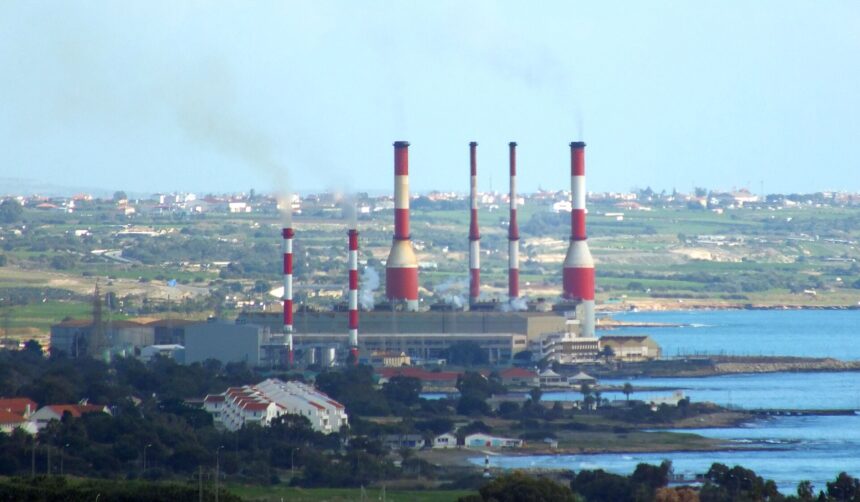
- To mitigate future issues, he suggested the need to enhance the Dhekelia plant by adding more turbines capable of producing 80 to 90 MW, which could be activated on short notice.
- He noted, “You can collect the money and have it in place, but not disburse it until the project is operational,” emphasising a cautious approach towards financial commitments.
- As the minister continues to address the ongoing energy crisis, his focus remains on rectifying the inherited issues and ensuring that future energy projects are executed efficiently and safely.
Energy problems: Challenges Faced by the Current Administration
Papanastasiou, while addressing criticism over recent rolling power cuts, insisted that the current administration is not at fault for the inherited issues. He stated, “We had to start from a minus, several minuses,” clearly indicating that the foundation laid by prior governments has created a challenging environment for energy supply management.
Recent Power Cuts and Demand Analysis
The minister defended the rolling power cuts that were enforced last week, explaining that the electricity demand on the day of the cuts, August 12, was not extraordinarily high. Demand reached 1,087 megawatts (MW), while the available power was only 1,062 MW. The difference of 142 MW was significant, particularly as four turbines at power stations had malfunctioned. Papanastasiou noted that previous days in July had seen higher demand, yet the system was able to cope.
Importance of Turbine Capacity
“To preserve the integrity of the grid, the transmission system operator chose to limit the load for a few minutes,” he explained. The minister compared Cyprus’s situation to other countries like Spain, Portugal, and France, which have also experienced strains on their electrical grids due to extreme weather conditions.
To mitigate future issues, he suggested the need to enhance the Dhekelia plant by adding more turbines capable of producing 80 to 90 MW, which could be activated on short notice.
Addressing Infrastructure Shortcomings
Papanastasiou acknowledged that some turbines at the Vasiliko power plant are aging and inefficient. He stated, “This is the issue of nominal output versus actual output. The turbines are working under stress, running very hot, due to the high temperatures.” He emphasised that while this situation is challenging, it is essential to acquire backup turbines to ensure reliability.
Progress on the LNG Import Terminal
Another critical issue raised by the minister was the liquefied natural gas (LNG) import terminal at Vasiliko, which remains unfinished after a Chinese contractor abandoned the project in July 2024. Papanastasiou revealed that a new project manager is currently reviewing the front-end engineering design (Feed) to determine its adequacy, with possible alterations in the design to be made if necessary. He stated, “At any rate, we’re looking for the shortest path to bring LNG to Cyprus as soon as possible.”
He described the LNG terminal as a “dangerous project,” highlighting the safety considerations involved with compressed natural gas. The minister underlined that the current administration will prioritise safety and will not compromise on this front.
Future Energy Projects and Financial Sustainability
On the topic of the planned subsea electricity cable linking Cyprus to Crete, Papanastasiou clarified that there is no disagreement between him and Finance Minister Makis Keravnos. Earlier statements from Keravnos suggested that Cyprus would withhold a €25 million payment to Admie, Greece’s independent power transmission operator, until the project’s financial sustainability is assured. Papanastasiou explained that this position is not contradictory to his own statements, indicating that funds could be collected without disbursing them until the project becomes operational.
He noted, “You can collect the money and have it in place, but not disburse it until the project is operational,” emphasising a cautious approach towards financial commitments.
Aiming for Energy Independence
The Great Sea Interconnector, designed to end Cyprus’s energy isolation, is a crucial project for the island’s energy future. As the government navigates these challenges, Papanastasiou’s comments reflect a broader commitment to addressing past mistakes while striving for a more reliable and sustainable energy supply for Cyprus.
As the minister continues to address the ongoing energy crisis, his focus remains on rectifying the inherited issues and ensuring that future energy projects are executed efficiently and safely.