The sounds of Cyprus once painted a vivid picture of life on the island, blending the gentle clanking of goat bells at dawn with the soothing whispers of the Mediterranean. These auditory memories, rich and layered, evoke a sense of nostalgia for those who have wandered its shores, yet they are fading into the background.
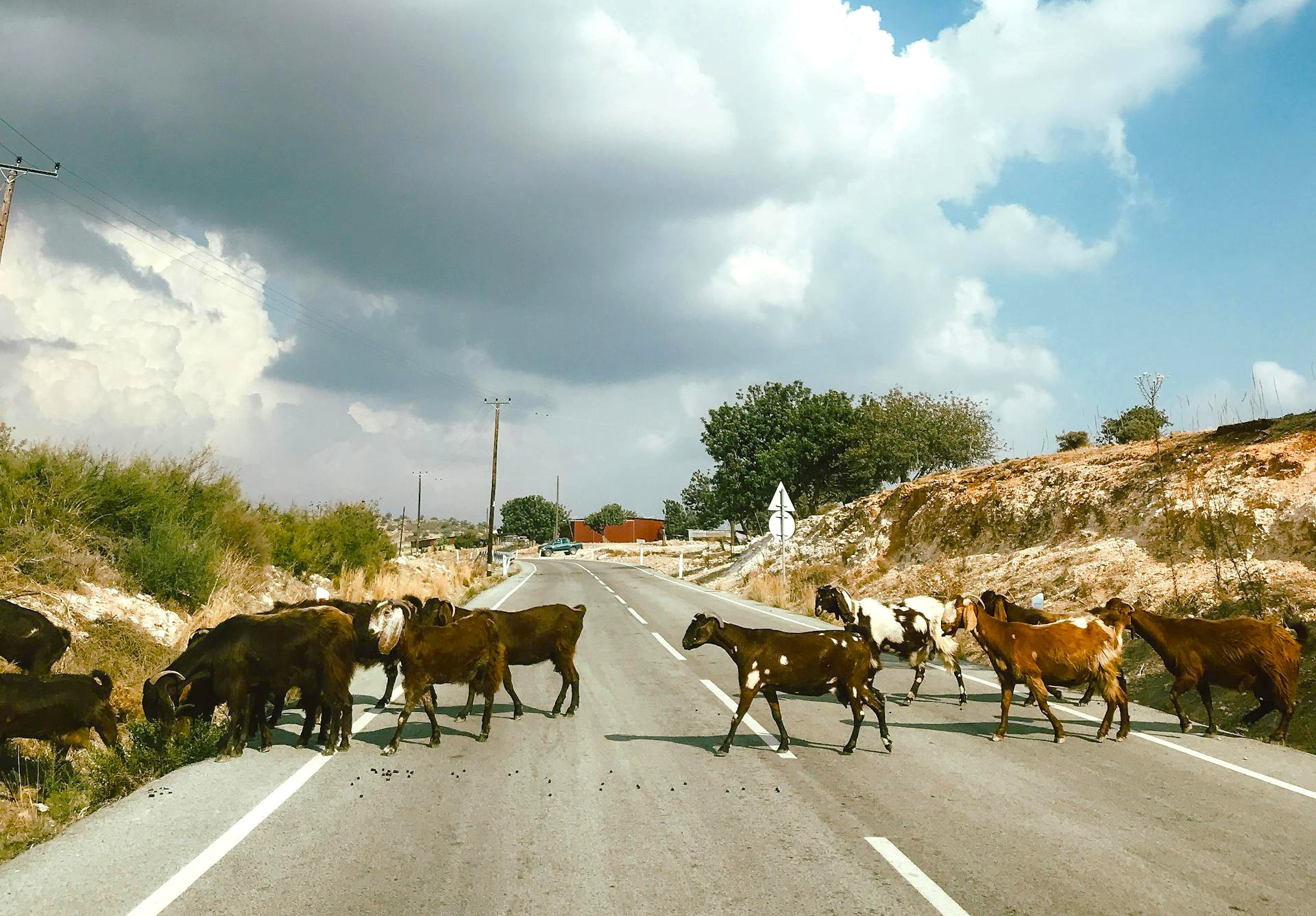
Photo: cyprus-mail.com
Sounds of: A Tapestry of Memories
For many, the soundscape of Cyprus is an integral part of their identity. Eleni Michaelides, a 66-year-old resident of Toronto, recalls how the simple act of splitting a watermelon or clinking a coffee cup transports her back to her yiayia’s courtyard. Similarly, David Lennox, now living in Yorkshire, reminisces about the laughter of old men and the braying of donkeys from his visits in the 1980s. These sounds, once ubiquitous, served as a soundtrack for cherished memories.
The Shift to Urban Noise
However, as urbanisation spreads across the island, the gentle sounds of nature are increasingly overshadowed by disruptive noises. Over 80% of city dwellers in Cyprus are exposed to unhealthy levels of road traffic noise, making it the second highest percentage in Europe after Luxembourg. This shift not only alters the soundscape but also affects the wellbeing of its inhabitants.
Consequences of Noise Pollution
The implications of persistent exposure to noise extend beyond mere annoyance. Research has linked high levels of noise, particularly irregular and high-pitched sounds, to serious health issues such as sleep disturbances, increased stress, heart disease, and even cognitive decline. The World Health Organisation has ranked noise as the second most significant cause of health problems in Europe after air pollution.
Impact on Flora and Fauna
The effects of changing soundscapes are not limited to humans. Acoustic ecology, as explored by Aris Koliniotis, founder of the Cyprus School of Sound, reveals how all living creatures depend on sound. Disruptions to this natural auditory environment can have cascading effects throughout ecosystems. In North America, studies show that birds near busy highways alter their songs to higher pitches, while some species abandon their habitats altogether, leading to shifts in breeding patterns and food chains.
The Ocean’s Silent Struggles
In marine environments, the situation is even more alarming. Shipping noise and naval sonar interfere with whale and dolphin communication, causing disorientation and even mass strandings. As these natural sounds are drowned out, we risk losing not only peace but entire species and habitats.
A Call to Remember
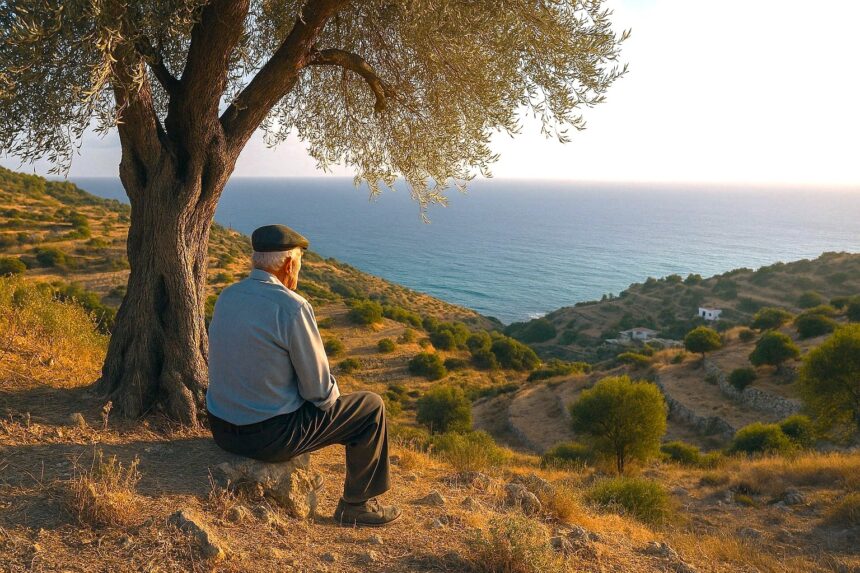
The sounds that once defined Cyprus—cicadas humming under the afternoon sun, the rustle of olive trees in the breeze—are more than just pleasant memories; they are essential to the island’s identity. As urban life encroaches, the need to reconnect with these natural sounds becomes increasingly urgent. The memories they evoke are part of what makes Cyprus unique.
As we navigate the future, perhaps it’s time to listen more closely to our surroundings. The gentle clinking of a coffee cup or the soft whisper of the breeze can ground us in our history and heritage. These sounds are not just echoes of the past; they are vital threads in the tapestry of life on Cyprus, reminding us of who we are and where we come from.