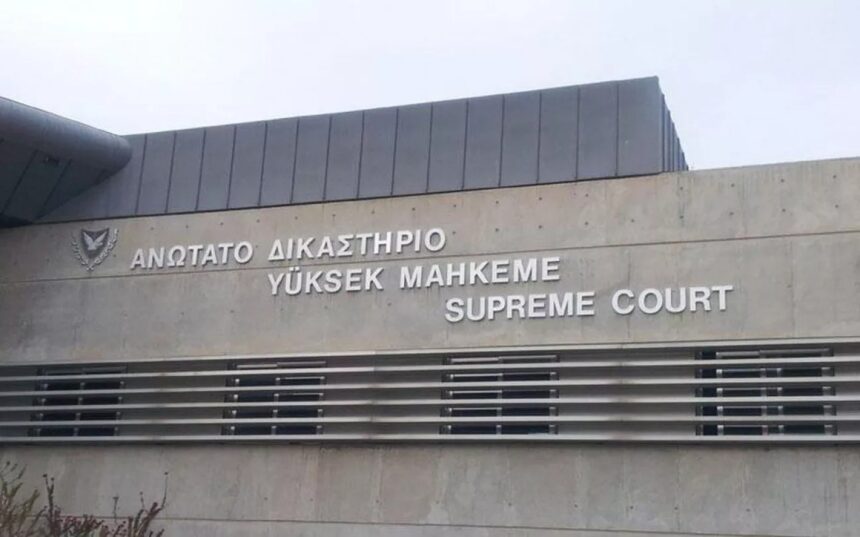
Cyprus has rejected the asylum application of a Congolese woman, concluding her case after the Administrative Court of Appeal found significant contradictions in her claims. The court determined that she did not qualify for refugee status or subsidiary protection, effectively closing the door on her bid for international protection.
Details of the Asylum Case
The woman, originally from the Democratic Republic of Congo, had sought refuge in Cyprus, alleging persecution stemming from her work as a nurse. She claimed that after administering medication to a young girl who later died, the girl’s father, a police officer, orchestrated her arrest on charges of homicide. Following her subsequent escape from prison, she fled to Cyprus.
Despite being classified by the Asylum Service as a vulnerable individual—having experienced sexual abuse in her youth—her application was ultimately dismissed. The Service highlighted that her core account lacked credibility, a decision that was later confirmed by the Administrative Court of International Protection.
Legal Proceedings and Court Findings
Upon reviewing the case, the Administrative Court of Appeal unanimously upheld the initial ruling. The Court stated that its role was to assess the legality of the prior findings rather than to re-evaluate the factual basis of the claims. It noted that the first-instance court had thoroughly explained the reasons for finding the appellant’s account unreliable, citing vagueness and inconsistencies throughout her statements.
Of particular concern to the Court was the arrest warrant the appellant submitted as evidence. The Court remarked that this document had not been presented during the original asylum application process and exhibited deviations from the standard format expected for such documents in the Democratic Republic of Congo.
Claims of Sexual Abuse Considered
While the Court of Appeal acknowledged the seriousness of the appellant’s claims regarding past sexual abuse, it also pointed out that the mere existence of such claims was not sufficient grounds for granting refugee status. The first-instance court had already recognised that women in the Democratic Republic of Congo could be regarded as a particular social group under international protection laws, and that sexual violence can constitute persecution.
However, the Court concluded that there was no evidence suggesting that the appellant would face a real risk of similar persecution if returned to her home country. It took into account her qualifications as a nursing graduate, her potential for employment, and the presence of family and social support networks back home.
Rejection of Subsidiary Protection Claims
The Court also dismissed the appellant’s claims for subsidiary protection, indicating that she had failed to demonstrate a risk of facing the death penalty, torture, or inhuman treatment. Furthermore, the information regarding the security situation in her region did not justify a claim based on indiscriminate violence from armed conflict.
Final Ruling and Costs
Ultimately, the Administrative Court of Appeal dismissed the appeal entirely and ordered the appellant to cover costs amounting to 2,000 euros, plus VAT, in favour of the Republic of Cyprus. This ruling marks a definitive end to her asylum bid.
The Broader Context of Asylum in Cyprus
This case highlights ongoing challenges within Cyprus’s asylum system, where applications are rigorously evaluated, and the credibility of claims is scrutinised firmly. Asylum seekers often face complex legal hurdles, and the outcomes of their cases can hinge on minute details and the perceived reliability of their narratives.
The implications of such rulings extend beyond individual cases, touching on the broader discourse surrounding human rights and the treatment of vulnerable populations seeking refuge from violence and persecution. In a world where forced migration is on the rise, the standards by which nations assess claims for asylum remain critically important.