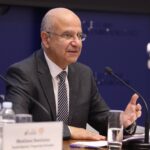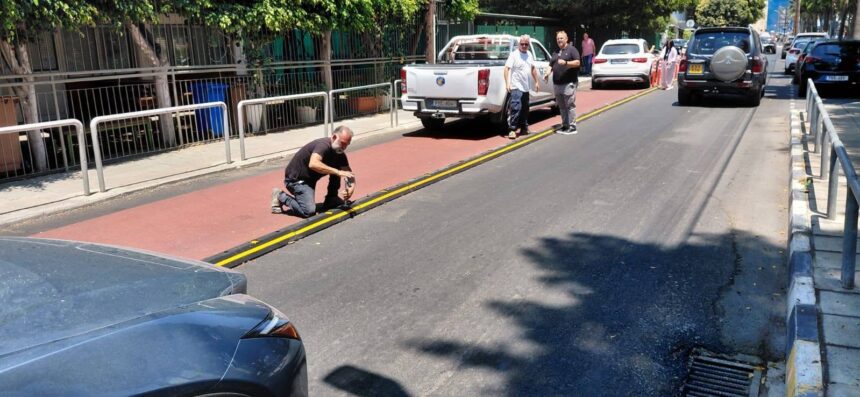
limassol cycle — Transport Minister Alexis Vafeades has confirmed that changes to the Limassol cycle lane bollards are on the horizon, following discussions between the Public Works Department and the Limassol municipality. These conversations have led to a proposal aimed at addressing the concerns surrounding pedestrian crossings and the controversial plastic bollards that separate cycle lanes from vehicle traffic.
Limassol cycle: Finding a Balance
Vafeades described the resolution as a discovery of “golden ratios” that will involve removing certain measures in favour of alternative road safety interventions. This approach aims to balance the need for road safety with the concerns of local residents and businesses, who have raised issues regarding accessibility and the impact of the bollards on daily movement.
Site Inspections and Future Plans
Senior engineers have already inspected the areas in question, leading to the development of potential solutions. Vafeades stated, “At the moment we are awaiting the approval of the city council to what the department has responded to. Once we have that, the projects will be implemented and there will be changes.” This approval from the Limassol municipal council is a crucial step before any alterations can take place.
Public Concerns and Reactions
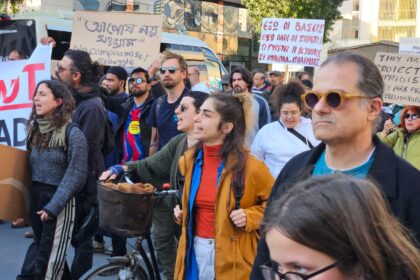
The controversy surrounding the bollards began after they were installed as part of Limassol’s sustainable urban mobility plan. Many residents and motorists expressed their dissatisfaction, prompting the municipality to address these concerns. In a notable incident, video footage emerged of a driver removing bollards from Thekla Lysioti Street, bringing further attention to the issue.
Adjustments for Safety
In response to safety concerns, the Limassol municipality removed bollards from areas near schools to allow easier access for student drop-off and pick-up. Mayor Yiannis Armeftis stated that these adjustments were necessary for the safety of children. Prior to this, the municipality had sent an 11-point letter to the Transport Ministry highlighting the need for adjustments to ongoing projects.
Understanding the Changes
Vafeades acknowledged that while consultations have taken place, some residents may not have fully grasped the implications of the changes. He noted, “What has become clear is that people most likely did not realise what would happen in front of their homes, and I consider this a weakness.” This feedback will be integral in shaping future communications and plans.
A Vision for the Future
The Transport Minister emphasised the importance of finding solutions that cater to both mobility and safety needs. He remarked, “A sustainable urban Limassol is something that will serve our children and future generations,” reinforcing the need for a comprehensive and thoughtful approach to urban planning.