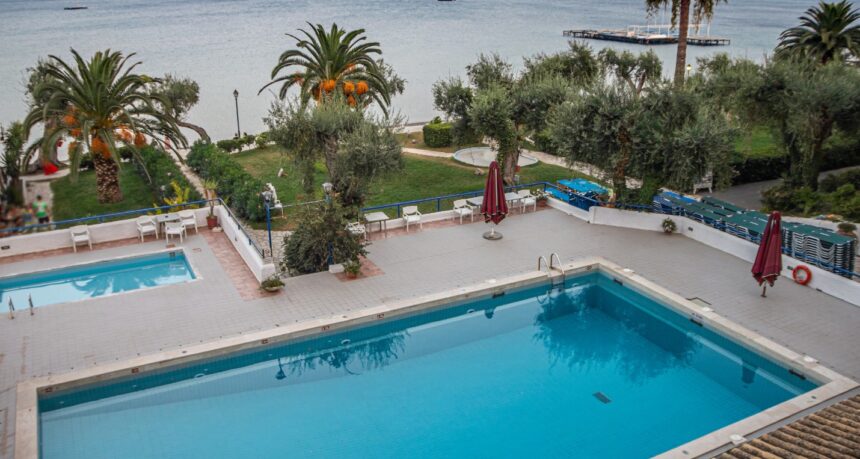
cyprus hotels — cyprus hotels — Only a quarter of hotels in Cyprus hold a full operating licence, revealing significant flaws in the country’s system for licensing and supervising tourist accommodation. This alarming statistic comes from a recent report by the Audit Office, prepared under Auditor General Andreas Papaconstantinou.
The report highlights that 55% of tourist accommodation operates without a full operating licence, and an additional 22% runs under temporary licences. The Famagusta district is particularly affected, with only 9.9% of establishments holding full licences. This situation raises serious concerns about the enforcement of existing regulations.
Cyprus hotels: Concerns Over Compliance and Safety
Papaconstantinou has expressed that the efforts to enhance the Cypriot tourism product are being jeopardised by this low compliance rate. He stated, “The effort to upgrade the Cypriot tourism product is being called into question,” underscoring the urgency for reform.
The Audit Office’s findings suggest that many self-catering tourist properties are operating without proper registration with the Deputy Ministry of Tourism. Cross-checks with online booking platforms revealed that hundreds of properties could not be identified or were absent from the official register, indicating a significant gap in oversight.
Implications for Visitor Safety
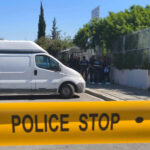
The report raises troubling implications for visitor safety, noting that unlicensed or temporarily licensed accommodations may not comply with essential safety standards, including fire safety and structural integrity. The collapse of an apartment building in Germasogeia, which housed three self-catering apartments with valid licences until the incident, further exemplifies the urgent need for stricter supervision and inspection mechanisms.
Weaknesses in Financial Oversight
The Audit Office has also flagged serious shortcomings in the management of subsidy schemes by the Deputy Ministry of Tourism. The lack of proper safeguards has led to insufficient monitoring of applications, raising the risk of errors and potential double funding. Furthermore, the ministry has not systematically recorded reasons for non-compliance, complicating the development of effective corrective measures.
Calls for Immediate Action
In its report, the Audit Office has urged the Deputy Ministry of Tourism to take immediate steps to increase the number of fully licensed tourist accommodations. Recommendations include enhancing inspections, raising public awareness of legal obligations, and developing a digital system to streamline subsidy applications. The report also calls for controls to prevent multiple funding of the same expenditure and suggests a uniform evaluation framework to ensure transparency and fairness in the treatment of businesses.
Papaconstantinou’s report concludes that years of inconsistent enforcement have created a culture of tolerance towards non-compliance, with many businesses aware that sanctions are either limited or rarely imposed. The Audit Office emphasises that concerns over potential impacts on tourism should not justify neglecting to enforce existing legislation. A call to action has been made for a revision of the supervisory framework to align with European practices, aiming to create a more robust inspection system that prioritises user safety while considering administrative costs.