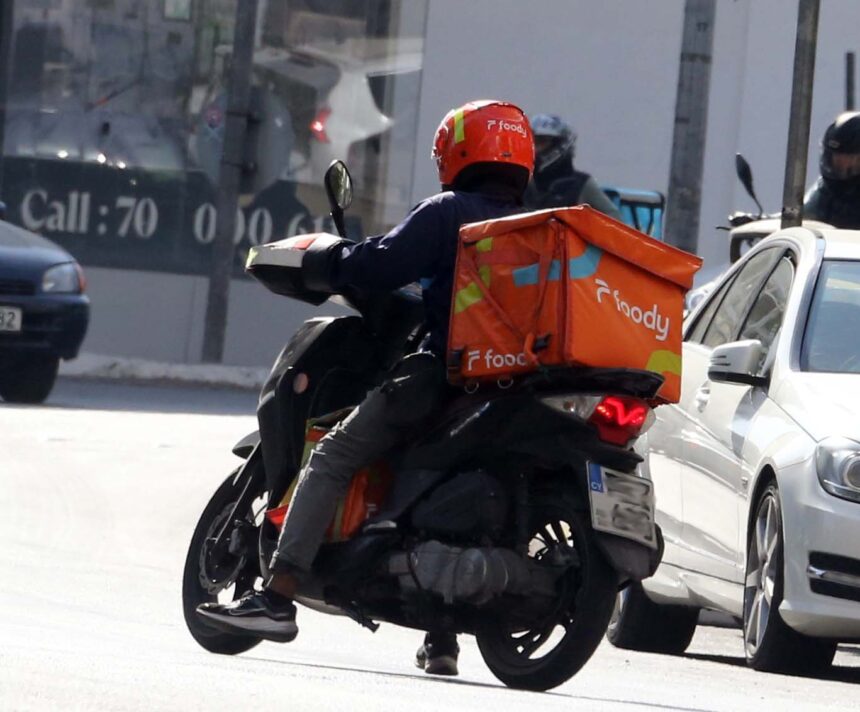
Delivery drivers in Cyprus are preparing for significant challenges as new motorcycle licence regulations come into effect next week. Under these new rules, learner motorcycle riders will only be permitted to operate on public roads while under the direct supervision of a licensed instructor.

Photo: cyprus-mail.com
Starting July 1, learner licence holders must either receive instruction from an instructor on another motorcycle of the same category or take an official driving test to ride legally. This change means that many delivery riders will need to obtain a full motorcycle licence to continue their work.
The road transport department (TOM) has indicated that it cannot determine the exact number of affected riders, as learner licences are issued daily. However, driving instructors have reported over 1,000 applicants currently awaiting test dates.
The TOM has stated that the amendments to the driving licence law were approved in 2023, giving businesses three years to prepare for the changes. The department maintains that the objective of these regulations is to enhance road safety, ensuring riders are adequately trained before operating on public roads.
In anticipation of the increased demand for motorcycle tests, the department has expanded testing capacity. They claim the number of tests conducted has doubled since the second half of 2025, and additional examiners have been added to facilitate this process. Despite these efforts, delivery companies and riders are concerned that the demand for tests will still surpass the available supply.
Andreas Skallouris, a contractor for delivery drivers, expressed frustration with the timing of the regulations, stating, “They are going to need a full motorcycle licence. The government has been suggesting this measure for years… and it makes our work harder in terms of how we coordinate with our drivers.” Many riders are already finding it difficult to book motorcycle tests, which could soon impact the availability of food deliveries across the island.
As the new rules are set to take effect, current riders are noticing the immediate repercussions. Vihaan Verma, another delivery driver, shared concerns about the situation many of his colleagues face. “My brother is riding with a learner’s licence, and I don’t know what he’ll do now. It will take another month before he finishes his certification. Many others also have learner permits, so who is going to deliver all these meals?” He noted that some riders have been told they may need to switch to bicycles for deliveries until they qualify for a full licence.
This licensing shift is not just a simple inconvenience; it highlights the complex bureaucratic hurdles many foreign workers face in Cyprus, particularly students from India. Abdul Asman, a former employee of Wolt, explained the lengthy process required to obtain a learner permit. “First you need proof of residence, then a bank account, which can take ages because of bureaucracy… Only then can you apply for a learner’s licence, and that takes another three or four months.” By the time these riders become eligible for the practical test, they often have spent nearly a year navigating administrative requirements.
Another issue complicating the situation is the status of overseas driving licences. While visitors from countries like India can ride motorcycles in Cyprus with a valid Indian motorcycle licence and an international driving permit, this arrangement only applies during temporary stays. Once they become residents, they cannot exchange their Indian licences for Cypriot ones, as India is not recognised for licence conversion.
Asman further noted that many workers arrive under the impression that their existing licences will suffice, only to find out they must start anew in the licensing process. This confusion has been exacerbated by allegations against recruitment agencies that have brought Indian nationals to Cyprus under false pretences regarding salaries and working conditions, with reports of individuals paying between €7,000 and €13,000 in recruitment fees.
While these recruitment issues are separate from the licensing changes, they underscore the vulnerabilities faced by many foreign workers in the delivery sector. Skallouris pointed out that many drivers are students already residing in Cyprus, suggesting there is no need for external recruitment.
The new licensing requirements add yet another layer of difficulty for delivery riders who are already grappling with falling delivery fees, rising fuel costs, and high commissions charged by fleet managers. Riders have also reported increasing thefts of motorcycles and attacks during deliveries.
Despite the challenges, the road transport department insists that adequate notice was provided before the law came into effect, stating, “The potential impacts were assessed during the preparation of the relevant legislation. Any potential effects on the above businesses were given sufficient time to be addressed.” They maintain that they will continue to strive to meet the demand for motorcycle tests.
With over 1,000 applicants already in the queue for practical examinations, delivery companies are facing the possibility of losing riders immediately as those with learner permits wait to qualify. This impending shift could drastically change the delivery landscape in Cyprus.