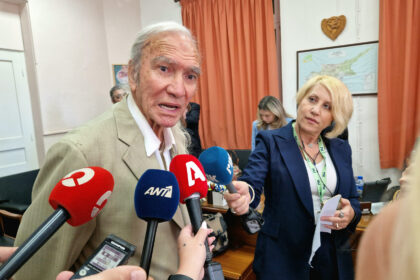
A proposal to introduce microchips for stray cats sterilised under Cyprus’ nationwide sterilisation programme has garnered significant backing from government bodies and animal welfare groups. The initiative was discussed during a recent coordination meeting led by environment and animal welfare commissioner Antonia Theodosiou, following a letter from the Cyprus Voice for Animals (CVA) federation.
Key Meeting Highlights
The meeting, attended by representatives from veterinary services, the Ministry of Agriculture, Rural Development and Environment, and various animal welfare organisations, focused on enhancing the implementation of the sterilisation programme for stray cats. Participants underscored the need for stronger collaboration among the involved parties to ensure the programme’s success.
Current Sterilisation Efforts
Each year, approximately 2,200 cats undergo sterilisation through the Cyprus programme. Volunteers and animal welfare groups play a crucial role in these efforts, particularly through trap-neuter-return (TNR) schemes. These groups are responsible for capturing, transporting, caring for, and eventually returning the sterilised cats to their habitats.
Challenges of Identification
One of the significant challenges identified during the meeting is the lack of electronic identification for cats sterilised under the current programme. Without microchips, tracking and managing these animals becomes exceedingly difficult. This gap in identification hinders effective stray population management and monitoring.
Support for Microchipping
In light of these challenges, participants unanimously supported the proposal for compulsory microchipping of sterilised stray cats. By implementing microchips, authorities would be able to track the animals more efficiently and ensure their wellbeing after sterilisation.
Digital Management Tools
Alongside microchipping, discussions also included the development of a digital platform for better stray animal management. Such a platform would facilitate tracking of sterilised cats and streamline communication among stakeholders involved in animal welfare.
Future Animal Welfare Initiatives
Theodosiou presented several measures included in the action plan for the welfare of companion animals, which has been submitted for consideration to the relevant ministries. This plan encompasses increased funding for cat sterilisation and proposes a similar scheme for dogs.
European Regulations Consideration
Another critical aspect raised was the need to consider upcoming European regulations regarding owned and stray animals. The veterinary services highlighted that these new regulations could impose additional requirements that may affect the number of sterilisation procedures carried out in the future.
Recognising Volunteer Contributions
As part of the broader conversation on enhancing the sterilisation programme, the meeting included discussions on recognising the contributions of TNR volunteers. There is a growing call for the creation of training programmes to assist these volunteers, ensuring they are equipped with the knowledge and skills necessary for their important work.
Ongoing Coordination Efforts
The coordination to improve sterilisation programmes and stray animal management across Cyprus will continue. By fostering collaboration among government services, animal welfare organisations, and volunteers, there is hope for a more effective approach to managing the stray cat population in the country.