Consumers in Cyprus have raised alarming concerns regarding the condition of delivery boxes used by food platforms like Foody and Wolt. Complaints have surged, prompting the Health Services to take action and call for stricter food safety measures.
Delivery boxes: Health Services Issue Warning
The Health Services of Cyprus have formally warned food delivery platforms about a significant rise in consumer complaints related to the cleanliness and safety of delivery boxes. In an effort to maintain food safety standards, they urged restaurants and food businesses to tighten controls.
Concerns Over Delivery Driver Practices
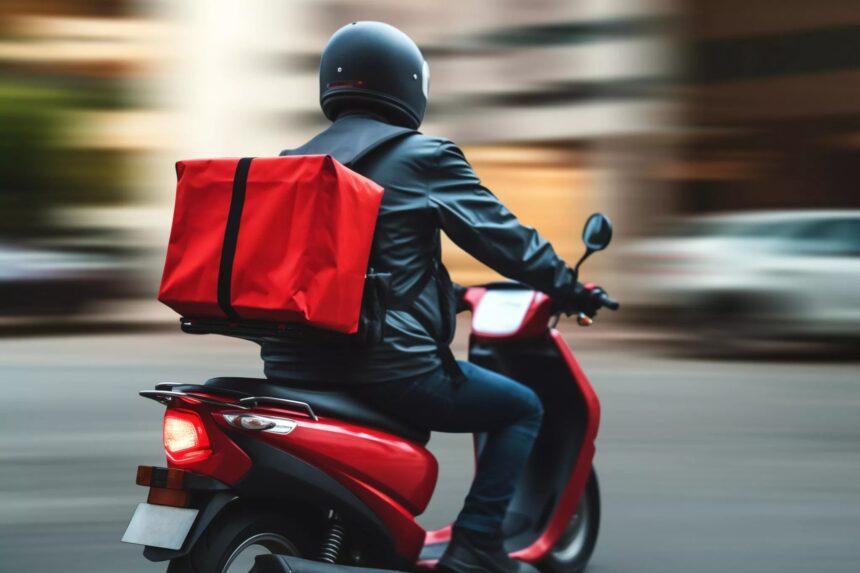
Many complaints focus on the boxes attached to motorcycles and mopeds that are used for food deliveries. Consumers have reported seeing boxes that are “very dirty with accumulated food residue.” In some instances, these boxes are described as “holed or failing to close properly, and generally worn and in poor condition.”
Mixing Personal Items with Food
Additionally, there are troubling reports of delivery drivers storing personal items, such as clothing and shoes, alongside food orders in the same box. This practice raises significant hygiene concerns, especially as drivers often leave their vehicles exposed during downtime, making them susceptible to rodents and insects.
Regulatory Challenges for Delivery Drivers
This uptick in complaints can be attributed to a structural oversight gap. Delivery drivers are classified as self-employed partners rather than employees of the platforms. This status complicates the registration process for them as food businesses or employees, making inspections challenging. Most of these drivers are foreign nationals without permanent residency in Cyprus, further complicating regulatory efforts.
Collective Responsibility for Food Safety
The Health Services have stressed that ensuring food safety during delivery is a collective responsibility. Both delivery platforms and food producers must adhere to proper procedures. The letter sent to the Employers and Industrialists Federation (OEB) and the Cyprus Chamber of Commerce and Industry (KEVE) highlighted that restaurants must realise that any violations seen by consumers may reflect poorly on their establishment, rather than the delivery driver.
Best Practices for Restaurants
In light of these findings, restaurant owners are encouraged to conduct regular checks on delivery boxes, monitor drivers’ hygiene practices when orders are collected, and promptly report any irregularities back to the platforms. It is recommended that drivers be allowed to use restaurant facilities to wash their hands and that the interior of delivery boxes be cleaned before each new order is placed.
Responsibility of Delivery Platforms
Despite acting as intermediaries, delivery platforms hold a responsibility to ensure their partner food businesses and delivery drivers comply with food safety protocols. In instances of serious violations, Health Services recommend that restaurants should refuse to hand over the order and request another driver. For repeated minor infractions, businesses are advised to demand immediate improvements from the platform.