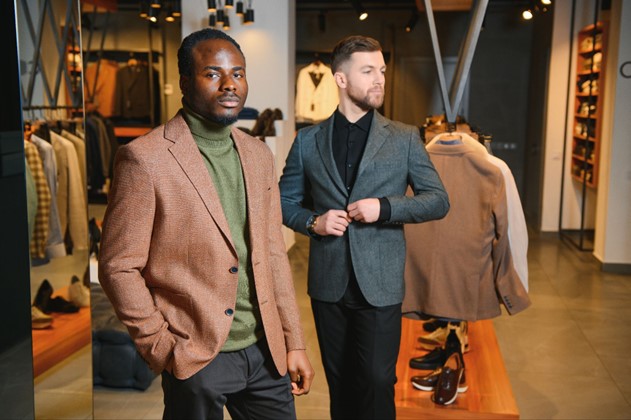
conscious choices — European menswear is undergoing a transformation as consumers increasingly embrace conscious choices in their purchasing habits. This shift signifies a departure from the once-dominant fast fashion model, now giving way to a focus on quality, sustainability, and longevity.
- Brands that adapt to these regional nuances—balancing environmental responsibility with practical functionality—are likely to foster stronger connections with consumers across different markets.
Recent research highlights a growing awareness among consumers regarding the environmental impact of the fashion industry. The European Commission’s textile strategy underscores the need for a move away from fast fashion, advocating for sustainable consumption patterns. While purchasing behaviour may not always reflect this intent, it is evident that a significant change is underway: consumers are becoming more discerning, prioritising the ethical production of their clothing.
Conscious choices: Sustainability at the Forefront
Sustainability has transcended its status as a niche concern, emerging as a critical factor influencing purchasing decisions, especially among younger shoppers. These consumers tend to invest time in researching brands before making purchases, seeking transparency in supply chains and ethical practices.
Retail data across Europe reveals that collections advertised as sustainable or responsibly produced often see greater engagement. This trend indicates that ethical considerations are no longer peripheral but central to consumer choices. Concurrently, consumers are becoming increasingly critical, demanding verifiable standards and tangible commitments rather than vague sustainability claims.
The Importance of Quality and Longevity
In addition to sustainability, there is a marked shift towards valuing durability and timeless design in menswear. Rather than succumbing to the pressure of frequently replacing trend-based items, many are now choosing garments suitable for various seasons and occasions.
This evolving mindset promotes classic cuts, neutral colour palettes, and versatile pieces, steering clear of the disposability characteristic of fast fashion. The result is a more curated wardrobe, centred around fewer, higher-quality items that stand the test of time.
Retailers are taking note of this shift in consumer sentiment. For instance, Paul Zeist, a Dutch-based menswear specialist, focuses on timeless styling and quality garments, emphasising long-term wardrobe building. Such brands exemplify a broader trend across Europe towards thoughtful purchasing and style longevity, a movement that resonates with consumers in international hubs like Cyprus.
Regional Influences in Sustainable Fashion
While a general trend towards sustainability is evident, regional differences significantly shape how these values are interpreted and implemented. In Southern Europe, including countries like Cyprus, the climate plays a pivotal role in driving demand for lightweight, breathable materials that are also responsibly sourced.
In contrast, Northern European consumers prioritise durability and layering, reflecting their colder climates and diverse lifestyle needs. These regional variations not only influence product design but also dictate how brands tailor their messaging around sustainability to resonate with local audiences.
Brands that adapt to these regional nuances—balancing environmental responsibility with practical functionality—are likely to foster stronger connections with consumers across different markets.
Accessories Join the Conscious Trend
The shift towards conscious consumption extends beyond clothing into the realm of accessories. Items such as sunglasses are increasingly viewed as investments in personal style rather than disposable seasonal trends.
Consumers are scrutinising materials, craftsmanship, and versatility, opting for designs that can be integrated into their wardrobes for the long haul. As with apparel, the focus is shifting towards acquiring fewer, well-made pieces that enhance personal style without the need for frequent replacement.
As the European fashion landscape continues to evolve, the emphasis on conscious consumption appears to be deepening. While fast fashion still holds a presence, the growing prioritisation of quality, sustainability, and informed choices is reshaping how consumers, including those in Cyprus, approach their wardrobes.