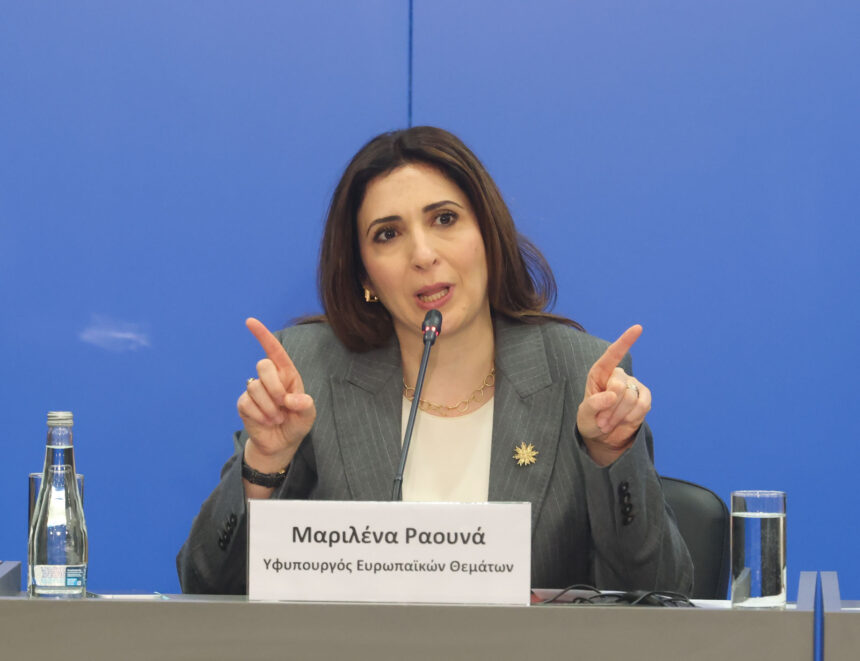
cyprus summit — cyprus summit — The leaders of Egypt, Jordan, Lebanon, and Syria have received invitations to attend the European Council summit in Cyprus next week, as confirmed by European Affairs Deputy Minister Marilena Raouna.
Cyprus summit: Confirmed Attendance to Be Announced
During a press conference on Friday, Raouna indicated that a final list of attendees will be released on Monday, specifying that those leaders who respond positively to the invitation will be included. The four leaders invited are Egyptian President Abdel Fattah al-Sisi, Jordanian King Abdullah II, Lebanese President Joseph Aoun, and Syrian President Ahmed al-Sharaa.
Geopolitical Context and Guest List Adjustments
The initial plan was to invite all 10 countries involved in the Pact for the Mediterranean, aimed at discussing its implementation. However, due to prevailing geopolitical developments in the region, the decision was made to limit the guest list to just these four leaders.
Raouna noted that the 10 countries originally considered for the summit consist of Algeria, Egypt, Israel, Jordan, Lebanon, Libya, Morocco, Palestine, Syria, and Tunisia. This decision reflects an adaptation to the current geopolitical climate, which officials believe necessitates a more focused approach.
Ukrainian President’s Participation
In addition to the leaders from the Middle East, Raouna confirmed that Ukrainian President Volodymyr Zelenskiy will participate in the summit via video call, rather than travelling to Cyprus himself. This inclusion highlights the summit’s broader international relevance amidst ongoing tensions in Europe.
The Impact of Regional Developments on Attendance
When questioned about the absence of other potential attendees, such as Indian Prime Minister Narendra Modi or Turkish President Recep Tayyip Erdogan, Raouna explained that geopolitical developments had influenced the selection of invitees. She reiterated that the current composition of guests was determined in collaboration with the office of the European Council President, Antonio Costa.
Raouna emphasised that the Middle East is considered “the EU’s neighbourhood” and its security is closely intertwined with that of the EU itself. This context underscores the importance of maintaining dialogue and fostering partnership in the region.
EU’s Role in Regional Stability
Raouna acknowledged the ongoing challenges in the Middle East, stating, “Through these adverse circumstances, they have proven in practice that they are reliable, predictable partners.” This remark reflects the EU’s commitment to fostering stability and de-escalation efforts in a region marked by conflict.
Support for Lebanon’s Sovereignty
In her comments, Raouna highlighted the significance of respecting Lebanon’s territorial integrity, independence, and sovereignty. She referred to United Nations Security Council Resolution 1701, which mandates the absence of armed forces in southern Lebanon south of the Litani River, aside from the United Nations Interim Force in Lebanon (UNIFIL) and the Lebanese military.
This resolution also calls for the withdrawal of Israeli forces from Lebanon and the removal of Hezbollah from areas south of the Litani, reflecting the complexities of the regional security landscape.
Looking Ahead to the Summit
The upcoming summit in Cyprus represents a critical opportunity for dialogue among key leaders from the region. The engagement of countries like Egypt, Jordan, Lebanon, and Syria is crucial for addressing pressing issues and implementing strategies within the framework of the Pact for the Mediterranean.
As the situation continues to evolve, the outcome of this summit could have significant implications for regional stability and EU-Middle East relations. The focus on collaboration and mutual respect is expected to be a recurring theme as discussions unfold next week.