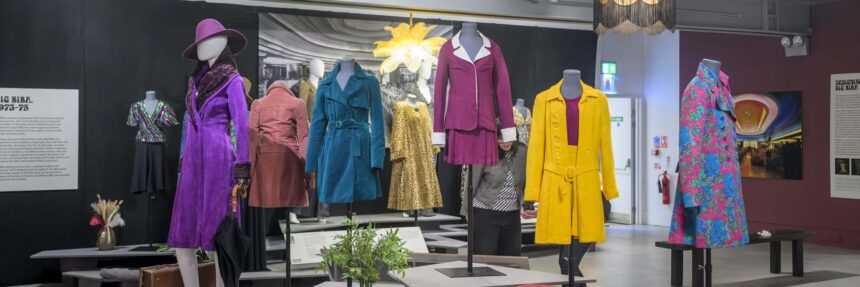
The Biba story is a fascinating journey through the evolution of fashion, beginning in 1963 with its inception as Biba’s Postal Boutique. This innovative brand captured the spirit of the 1960s and 1970s, presenting trend-seekers with affordable yet glamorous high-fashion aesthetics reminiscent of the Paris catwalks.
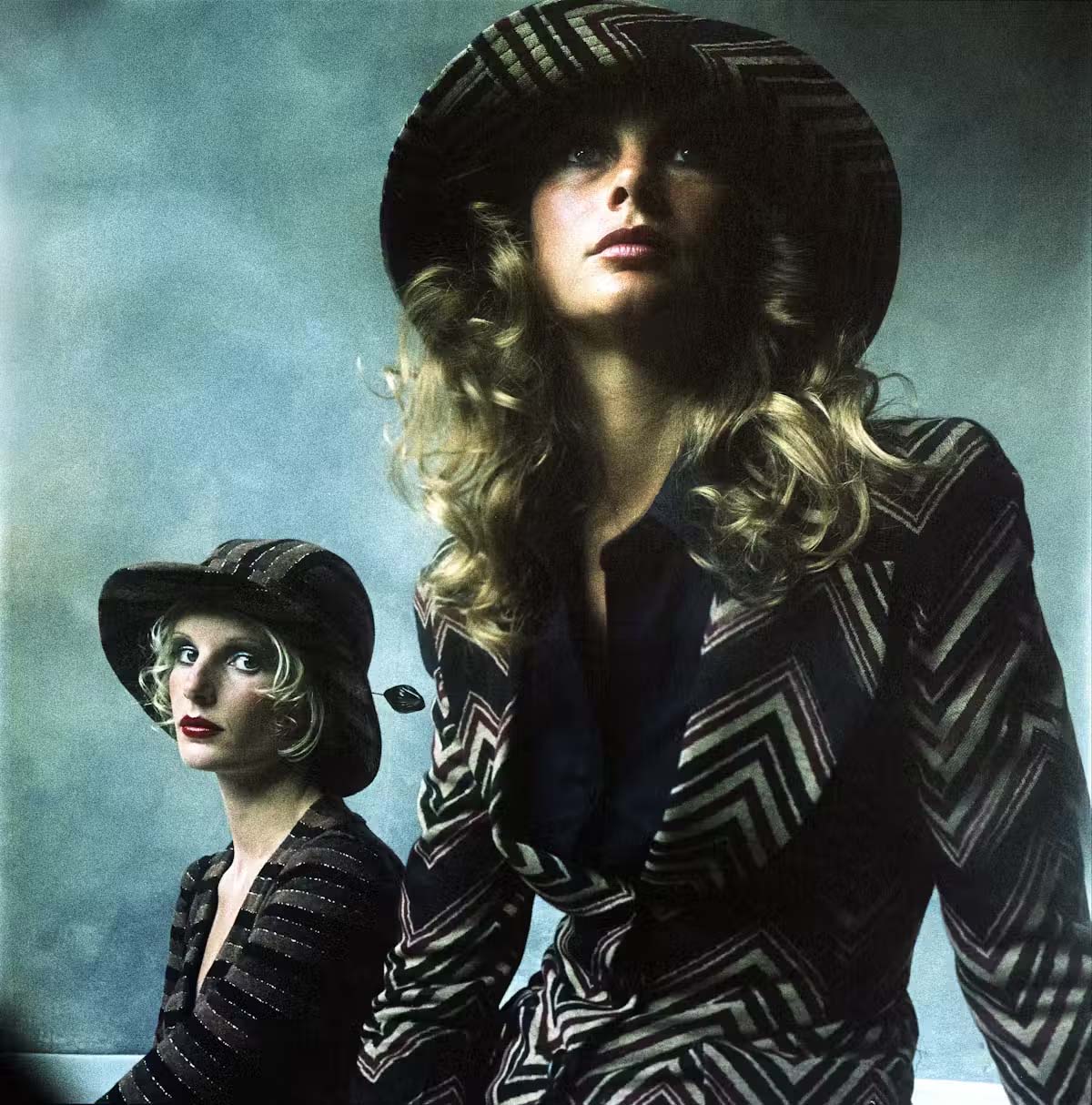
Photo: cyprus-mail.com
- This segment prompts reflection on the historical evolution of beauty standards and fashion’s ongoing influence in shaping perceptions of body image.
Biba story: A Revolutionary Influence on Fashion
With a strong influence from art deco, Biba quickly gained a devoted following for its stylish mini dresses, luxurious fabrics, and bold prints. The brand became synonymous with the “swinging London” look, embraced by celebrities like Twiggy and Mick Jagger, as well as iconic film stars such as Brigitte Bardot and Raquel Welch. Biba’s rebellious and glamorous style left a significant mark on global fashion.
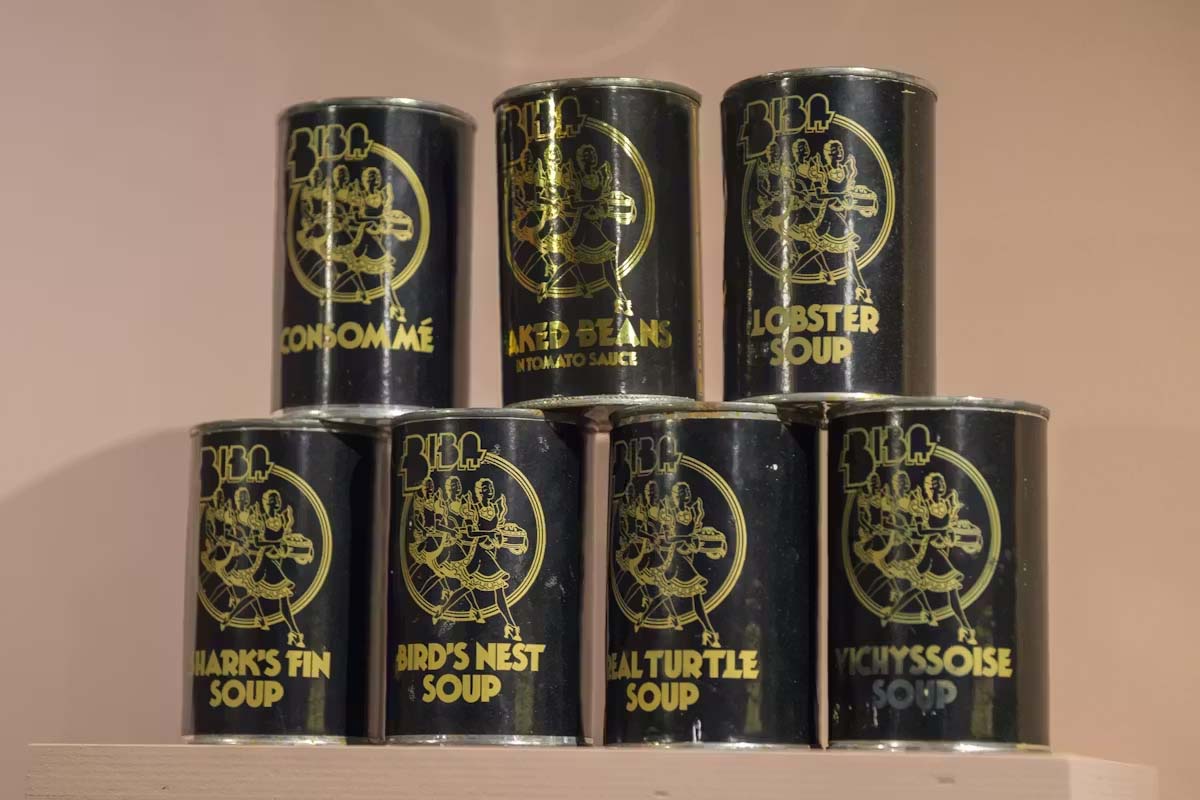
Photo: cyprus-mail.com
The Biba Exhibition: A Walk Through Time
Now, The Biba Story: 1964-1975, an exhibition at the Dovecot Studios in Edinburgh, showcases the incredible journey of the fashion brand founded by designer Barbara Hulanicki and her partner Stephen Fitz-Simon. The exhibit details Biba’s rise from a modest chemist shop on Church Street, Kensington, to a grand seven-storey department store on Kensington High Street.
At Biba, shoppers could find a diverse range of products spanning from fashion to home goods, all encapsulated within a lifestyle-focused shopping experience. The immersive interior of the store, marked by its opulence, set new standards for experiential luxury shopping, influencing retail strategies that are still prevalent today.
A Nostalgic Showcase of Biba’s Legacy
Despite its impact on fashion and culture, Biba faced financial difficulties, culminating in its closure in 1975. However, its legacy as a symbol of the 1960s style revolution remains intact. Initially launched at the Fashion and Textile Museum in London, the current exhibition at Dovecot Studios communicates an engaging narrative that traces Hulanicki’s design brand alongside significant historical movements and events.
The exhibition cleverly plots Biba’s journey against the backdrop of pivotal moments, such as the landmark not-guilty verdict in the legal case involving Penguin Books and the unexpurgated publication of D.H. Lawrence’s Lady Chatterley’s Lover, which sparked a cultural shift towards the liberal attitudes of the swinging 60s.
Commercial Triumph: The Gingham Shift Dress
Among the highlights of the exhibition is Biba’s first major commercial success—the pink and white gingham shift dress, which became a sensation after being featured in the Daily Mirror in May 1964. This iconic garment sold an astonishing 17,000 units at 25 shillings (£1.25) each, firmly establishing Biba’s status in the fashion world.
Artistry and Aesthetics in Design
The exhibition also includes a captivating array of drawings that showcase Hulanicki’s beginnings as a fashion illustrator, contributing artwork to prestigious magazines like Vogue and Women’s Wear Daily. Set against a backdrop of warm plum walls, The Biba Story offers a luxurious atmosphere, enhanced by vintage retro-style lighting that evokes the essence of the 1960s and 1970s.
The exhibition vibrantly captures the spirit of Biba, extending beyond mere clothing to reflect a lifestyle. Beautifully curated cases display a variety of Biba products, including cosmetics, tinned food, matches, and even branded wine. This emphasis on lifestyle made Biba one of the first high street brands to offer an array of goods, promoting an accessible yet glamorous lifestyle during a time when post-war Britain was often seen as drab.
Textiles and Body Image in Fashion
A notable section of the exhibition is dedicated to Biba’s textiles, featuring bold patterns and prints that contrasted beautifully with the simplicity of the garments’ designs. Biba championed functionality over fussiness, although the display also subtly addresses the more problematic aspects of fashion. The era’s body standards, highlighted by the Biba look, often dictated that wearers possess “long thin arms, flat chests, low waists, and straight hips.”
This segment prompts reflection on the historical evolution of beauty standards and fashion’s ongoing influence in shaping perceptions of body image.
Personal Stories and Community Connections
Throughout the exhibition, the voices of Biba customers resonate, sharing their fond memories of the brand and its unique offerings. One visitor reflected, “There was nothing like Biba in Edinburgh. The colours, the cut, the design, the materials, all fabulous.” Personal anecdotes are interwoven with the exhibition’s narrative, culminating in a heartfelt section titled Bring Oot Your Biba. This segment invites the people of Scotland to contribute their own Biba stories and purchases, creating a warm connection across generations.
An Artistic Tribute to Biba’s Legacy
The exhibition concludes with a beautifully woven tapestry of the Biba logo, crafted by talented Dovecot Studios apprentice Sophie McCaffrey. This artistic piece serves as a fitting tribute to the brand’s enduring legacy.
The Dovecot creates an authentic homage to Biba’s lasting impact, immersing viewers in the excitement of an era marked by change, youth, and liberation. Visitors often leave with a renewed appreciation for the influence of fashion visionaries like Barbara Hulanicki, recognising their vital contributions to our design cultures, identities, and economies.